
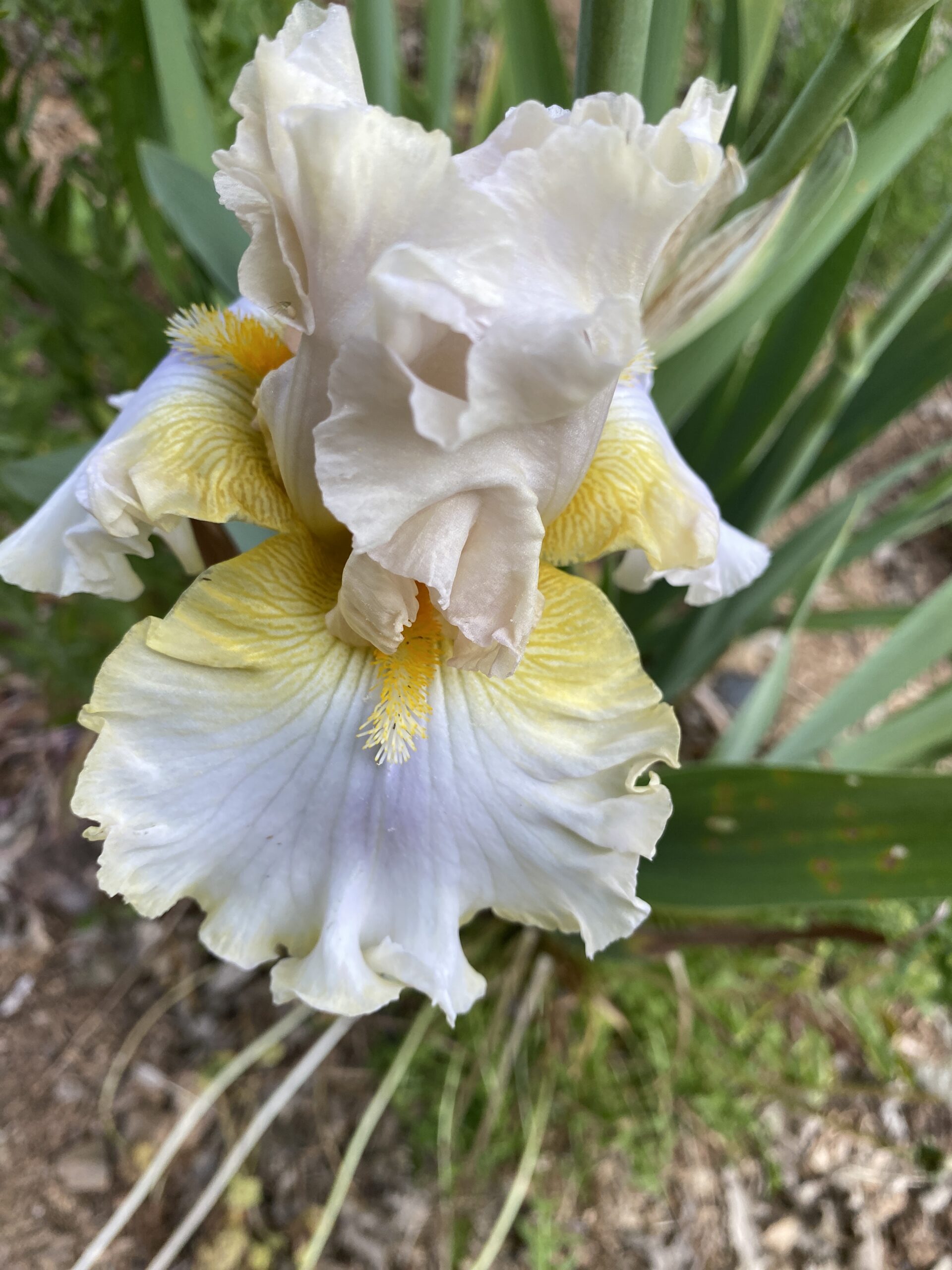
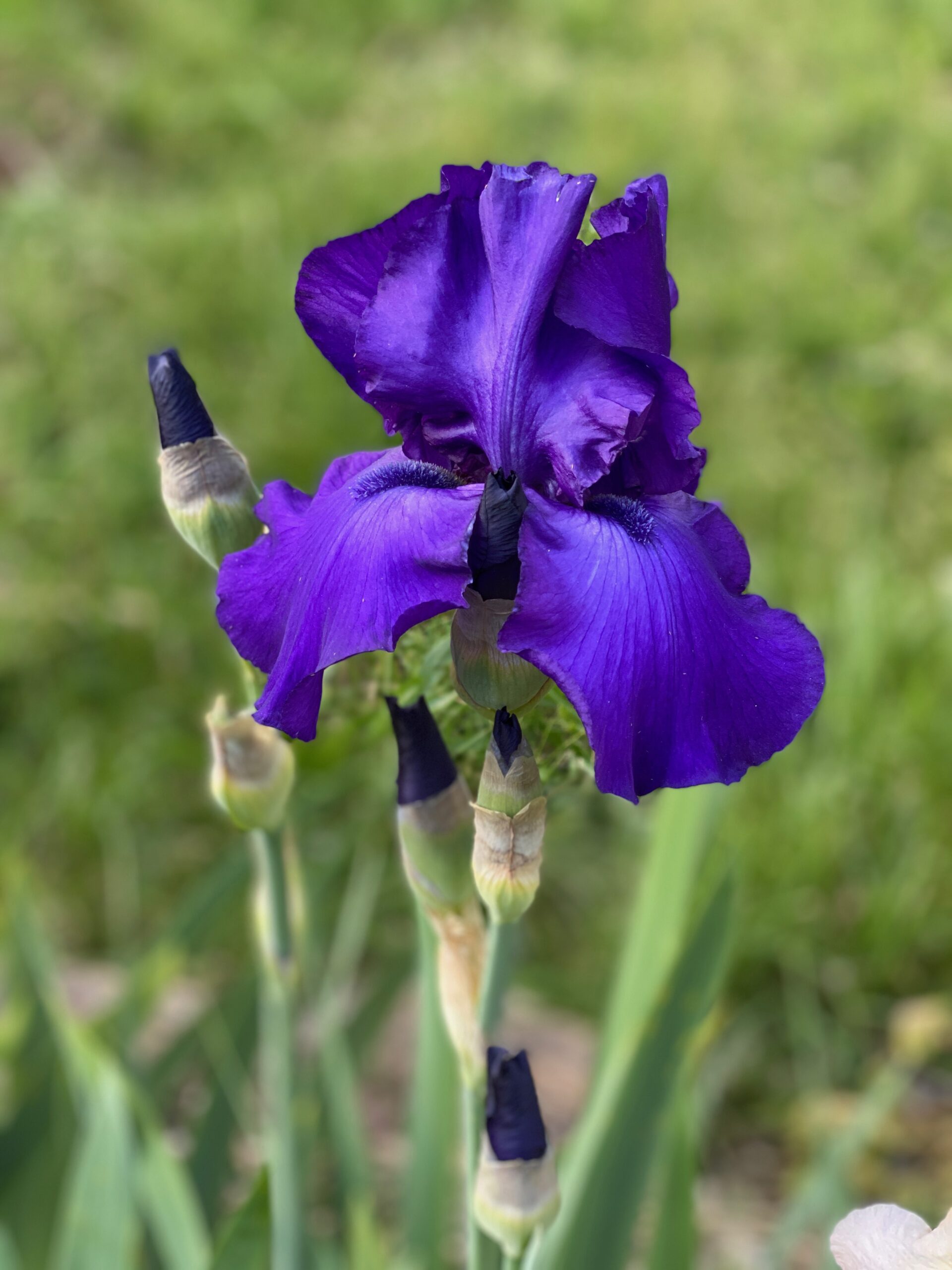
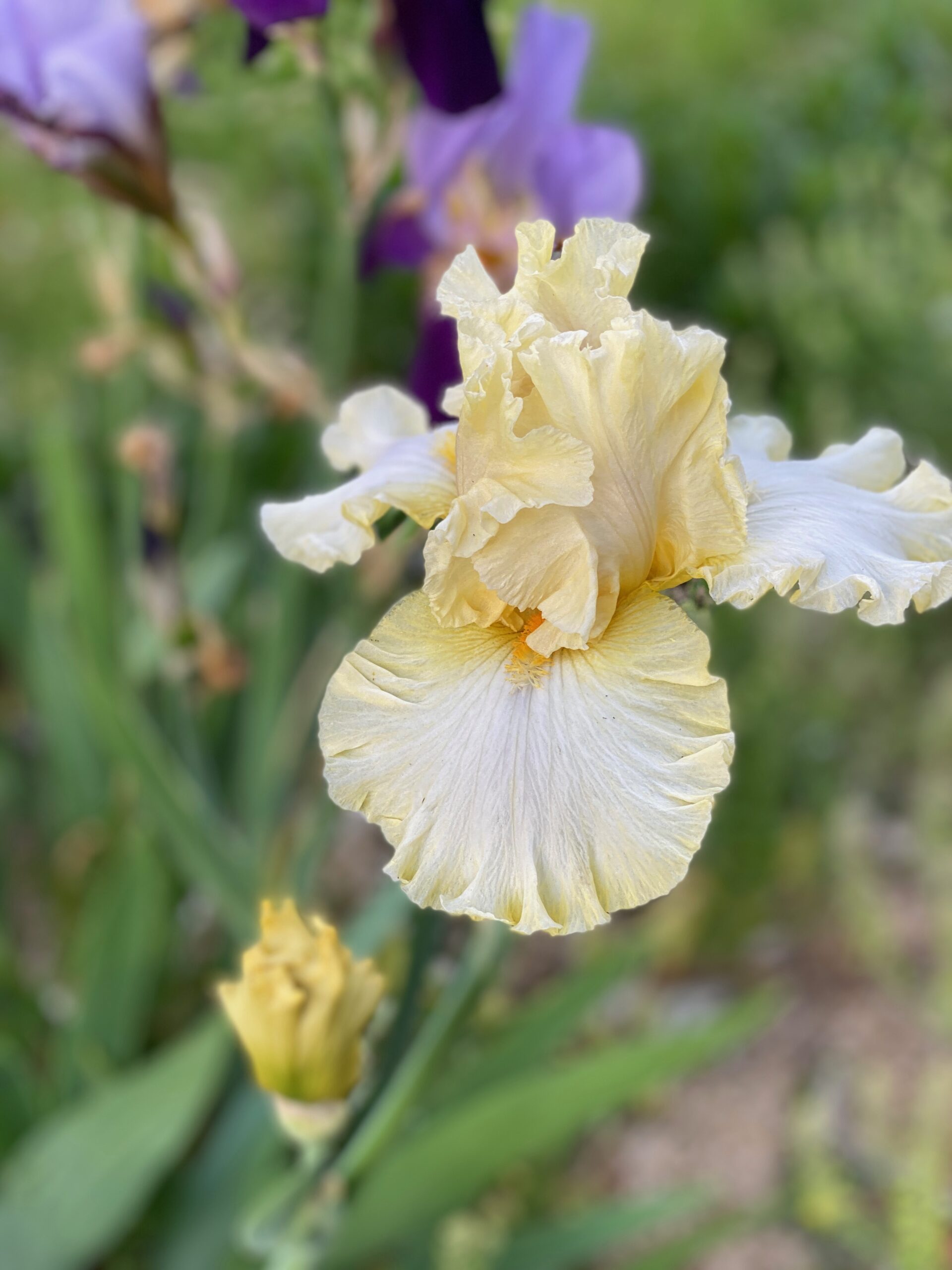
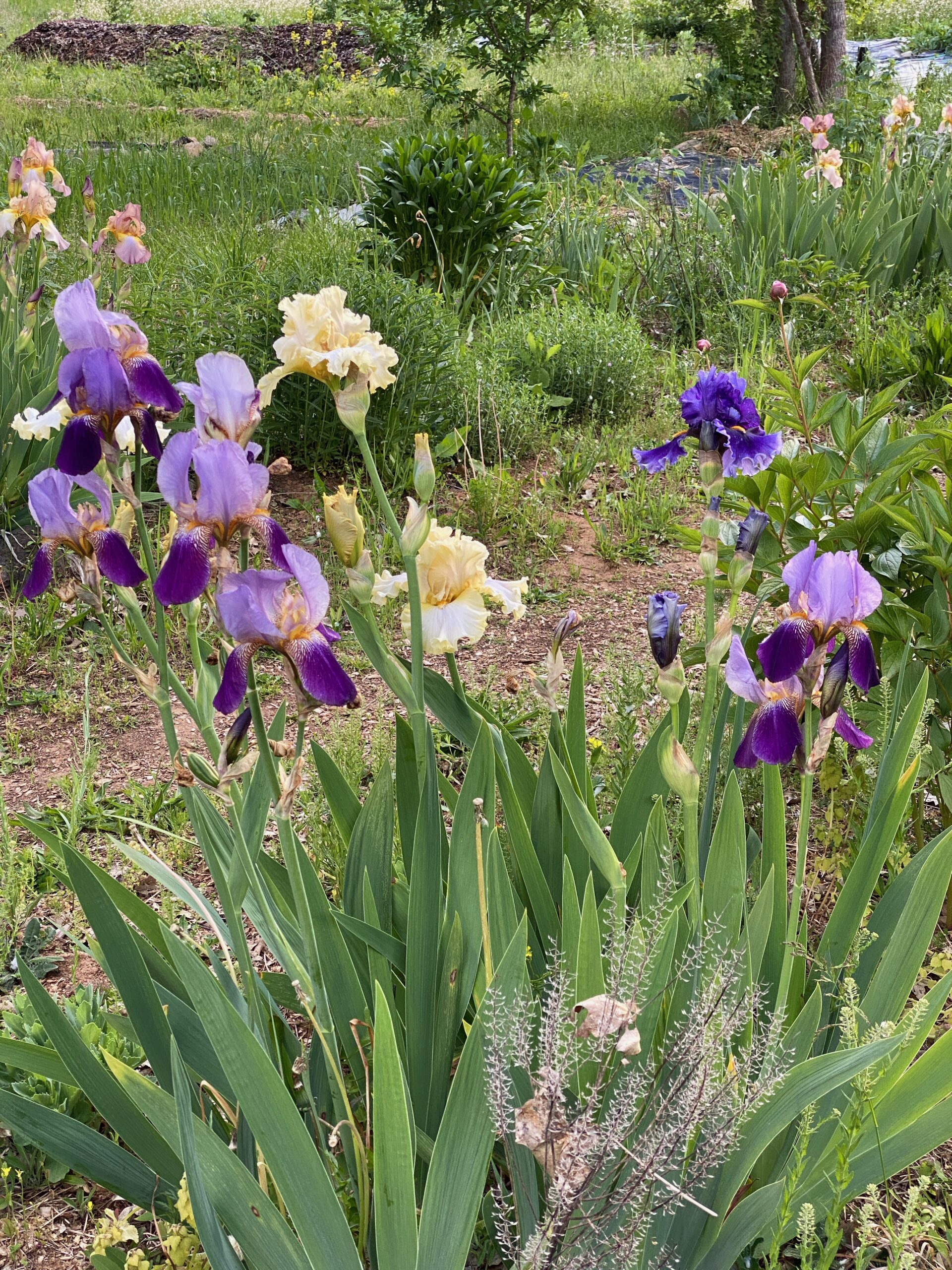

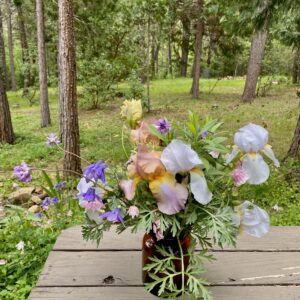
Description
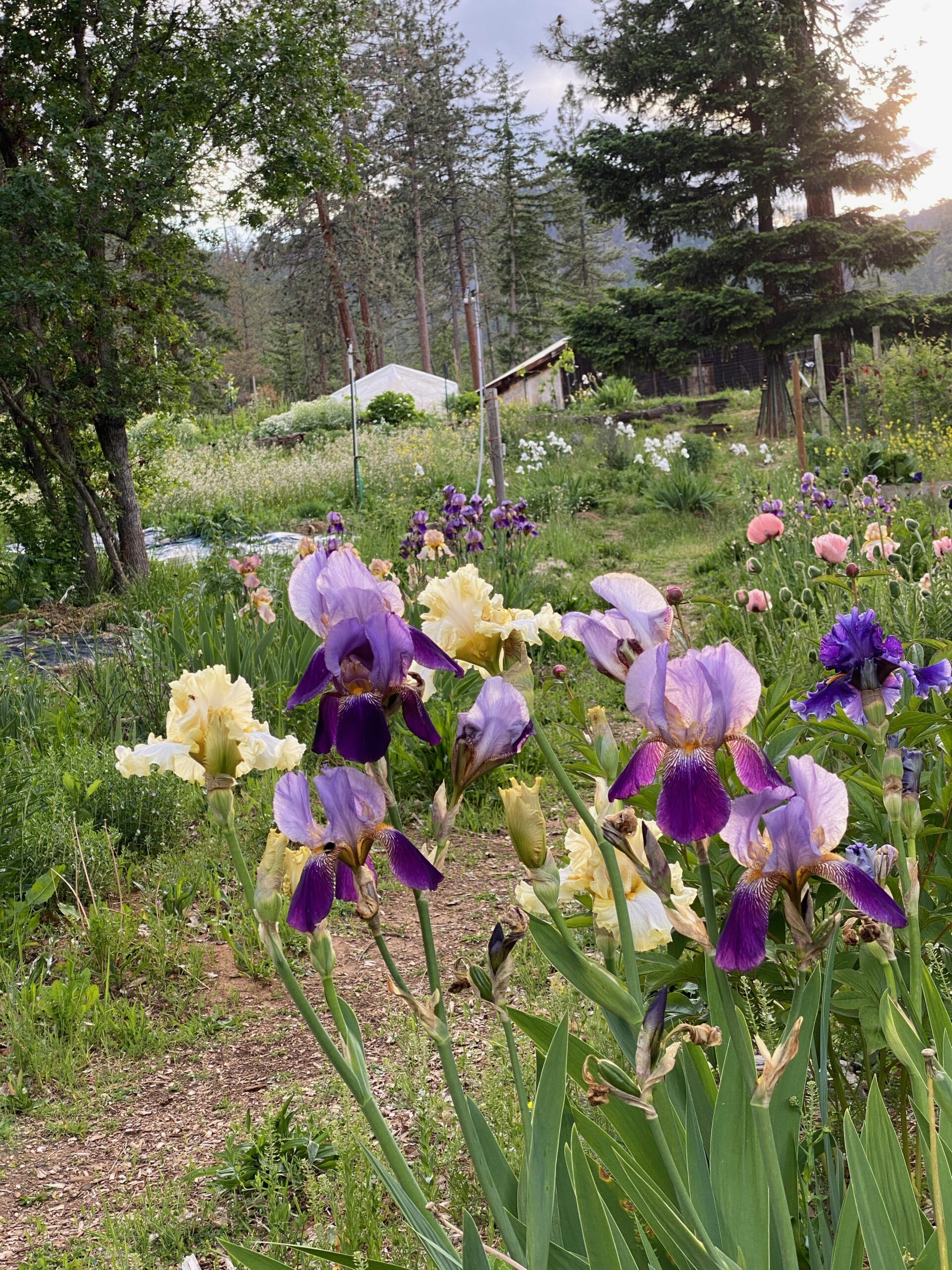
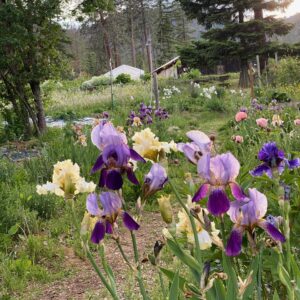
Bearded Iris is the hardiest and the most beautiful (as well as scented!) of all the perennial flowers cultivated in our garden. Exceptionally tough and cold hardy, these irises are deer and rabbit-resistant, drought-tolerant once established, and easy to grow in well-drained soil. Within a few years, they form large clumps of sword-like foliage and lush and velvety blooms in a rich palette of colors and texture.
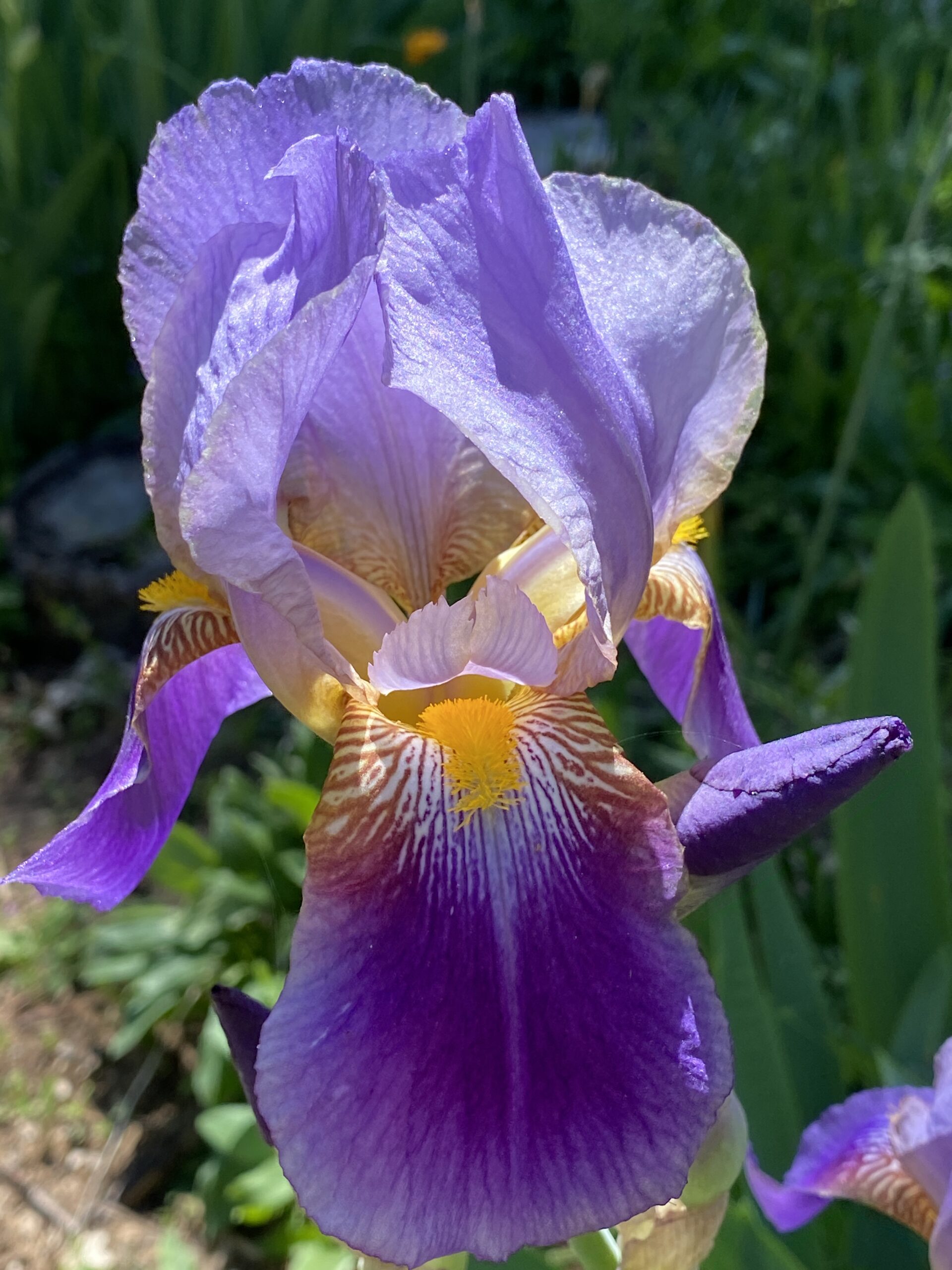
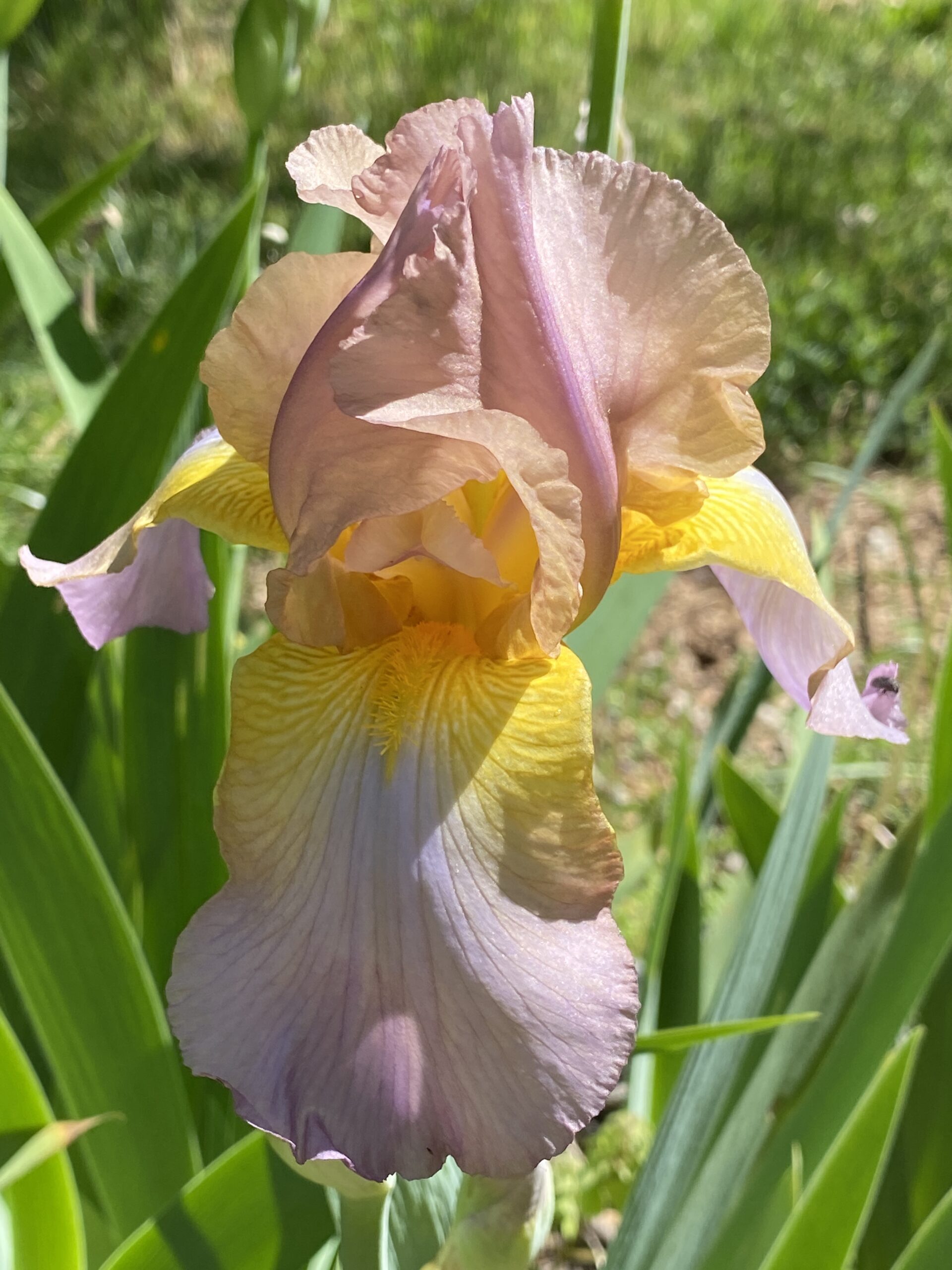
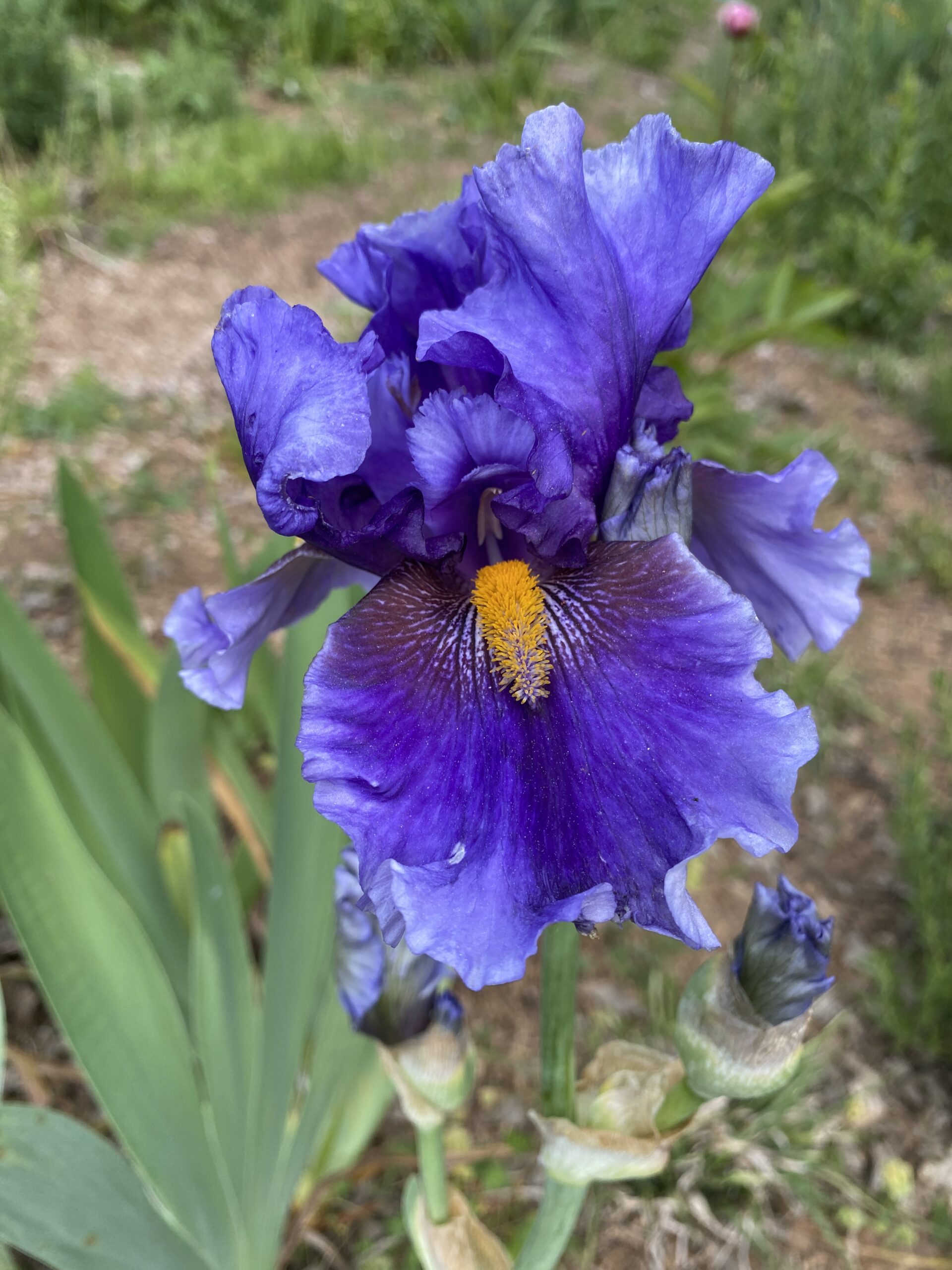
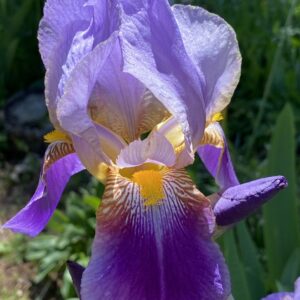
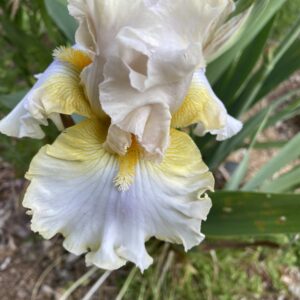
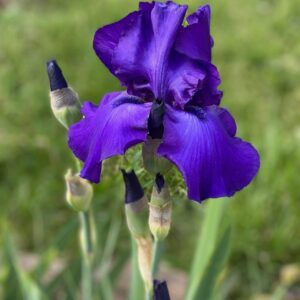
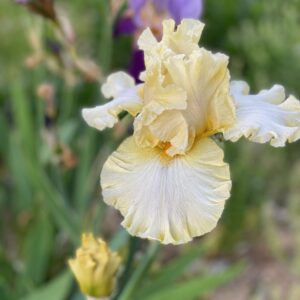
Established plants send up many tall, sturdy flowering stems from spring to summer that are excellent for cutting. Each iris bloom is made up of six petals: three outer “falls” that arch outward or downward and three inner, upright “standards,” with petals ranging from smooth and flat to dramatically ruffled. A soft, colorful stripe of fuzzy hairs, known as the “beard,” runs along the center of each outer petal. Iris is the Greek goddess of the rainbow and it certainly lives up to its name with its extraordinary color range. Besides the rich color and texture, irises also delight us with their incredible fragrance, with scents ranging from grape soda to raspberry cake.
Bearded irises can live indefinitely as long as division is made every 3-5 years to maintain vigor. More rhizomes, called “offsets” develop each year, moving outward laterally from the center clump. Due to their rhizomatous nature, bearded irises are often propagated and sold by rhizomes, which are clones of the parent plant. Irises can also be propagated by seeds and while this method requires more patience (2 years until first bloom), you’ll be rewarded by unique crosses of your own. This is easier than you’d think. I outline the process in the “seed starting” section below.
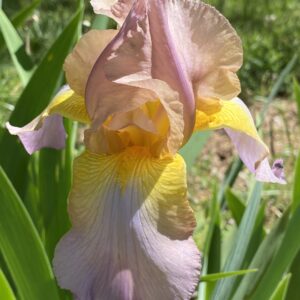
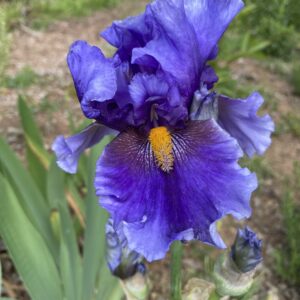
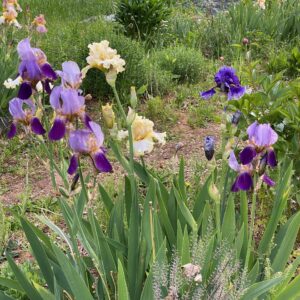
As an avid admirer of bearded irises as well as a seed grower, of course I had to thank my lovely irises by saving their seeds and increasing their genetic expressions. The seeds offered in this mix are from 20+ plants growing along our garden paths collected over the years from local gardens and friends. My color palette range from pure white to butter yellow to velvety purples, rust red, plums, and bicolors. I’m always on the lookout for unusual varieties to add to the mix.
Details
Lifecycle: Perennial
Lifespan: 20+ years
Hardiness zones: 3-10 (USDA)
Habitats: Sunny slopes, sidewalks
Plant size: 28-38″ tall
Light: Full sun to part shade
Soil: Well-draining, poor
Water: Low, very drought tolerant once established
Seed Starting
Iris seeds are best sowed in fall or winter to allow for a natural moist cold stratification process. Soak iris seeds in water for at least 48 hours, straining and adding fresh water every day. This will help seeds to swell and wash away germination inhibitors. Plant the seeds about 1/2″ deep and 1/2″ apart in potting soil (about 20-25 seeds in a 1-gallon container). Keep soil moist, but not soaking wet. Seeds will sprout in spring and can be transplanted as soon as the ground can be worked.
Cultivation
Irises are very low maintenance and in fact, perform best in poor gravely areas like slopes and sidewalks. After blooming is finished, water can be cut back completely. Avoid mulching the rhizomes, which can encourage rot. Remove dead leaves in the fall.
After 3 years, if plants stop flowering, it’s a sign to divide the rhizomes. See “Propagation” for how to divide irises.
Harvest
Harvest during the cool morning hours. When buds show color (the “pencil tip” stage), cut the entire stem all the way to the ground and place it in water immediately.
Propagation
Irises can be propagated by seed or by division. If by division, late summer is the ideal time for this process. Trim the leaves by 2/3. With a garden spade, remove the clump carefully. Pull apart the outer rhizomes by hand or cut off with a knife. Toss any old or soft rhizomes. Replant the remaining irises or share them with friends.
Seed Saving
To collect iris seeds, leave flowers on the plant to finish blooming and form dried brown seed pods. Wait until the pods split open, then cut the pods off the stems. Shake the seeds out of the pods or pry them open with your fingers. Store seeds in a dry and cool place. Iris seeds remain viable for a long time.


1 review for Bearded Iris Mix