Description
Plantain is a solid medicinal herb to have growing here and there in and around the garden. Our family depends on plantain throughout the season to help heal stings, cuts, scratches and bruises. Plantain is also a really cute herbaceous plant! Note: we are talking about plantain the herb, not the plantain banana.
As a drawing herb, plantain is excellent at pulling venom out of wounds, especially effective when used immediately after being stung or bit. Anytime we get a bug bite or sting, especially from wasps, bees, mosquitos or anything else that is going to be irritating, we reach for plantain leaves right away. The earlier it’s applied the better. Typically our plantain poultices look like chewing up a leaf and then slapping a wad of juicy plantain pulp on the affected spot. Usually one or two applications removes most of the discomfort from stings and bites!
This use of plantain makes her a perfect ally for any gardener, but especially for families with young children. Plantain is a great plant to have around to introduce kids to herbal medicine, because they get to learn that every time they have a small wound, that medicine is readily available, growing in their garden. How empowering!
Plantain is also an excellent wound healer plantain leaves are a great option to apply to minor cuts, scratches, bruises and inflamed skin. Plantain helps wounds heal faster, helps blood stop bleeding and reduces swelling. Simply create a poultice as described above, or decoct the herb and soak in a clean linen or cloth to apply to the skin as a compress.
I will speak from experience that plantain compresses applied to my skin for 10+ minutes at a time, several times a day, helped me reduce inflammation and itching of eczema. One time I experienced a local outbreak of boils during a sickness while I had a viral infection. I was taking other herbs for the infection, and I also applied plantain poultices and compresses which completely deflated the swollen boils and reduced their inflammation. I kept applying the plantain poultices and compresses to keep the boils at bay until the infection had subsided. Using plantain for eczema and boils in these ways did not heal the underlying issue but greatly healed and improved the condition of my skin and prevented those conditions from getting worse.
Used internally, plantain leaves can help soothe and heal some gastrointestinal conditions, including inflammation, mild diarrhea and constipation. Plantain’s astringency helps to tighten tissues while the mucilage can soothe linings and aid with digestion and nutrient absorption.
Plantain seeds are mucilaginous and aid in digestion. In fact psyllium husks, which many people take as a fiber supplement, come from the plant Plantago ovata, which is Broadleaf plantain’s cousin from India. Plantain’s husks can be used the same way as the psyllium husks that are sold commercially. Some people eat the seeds with or without the husks for their medicinal/dietary value. Plantain husks add a lot of soluble fiber, while plantain seeds are high in mucilage.
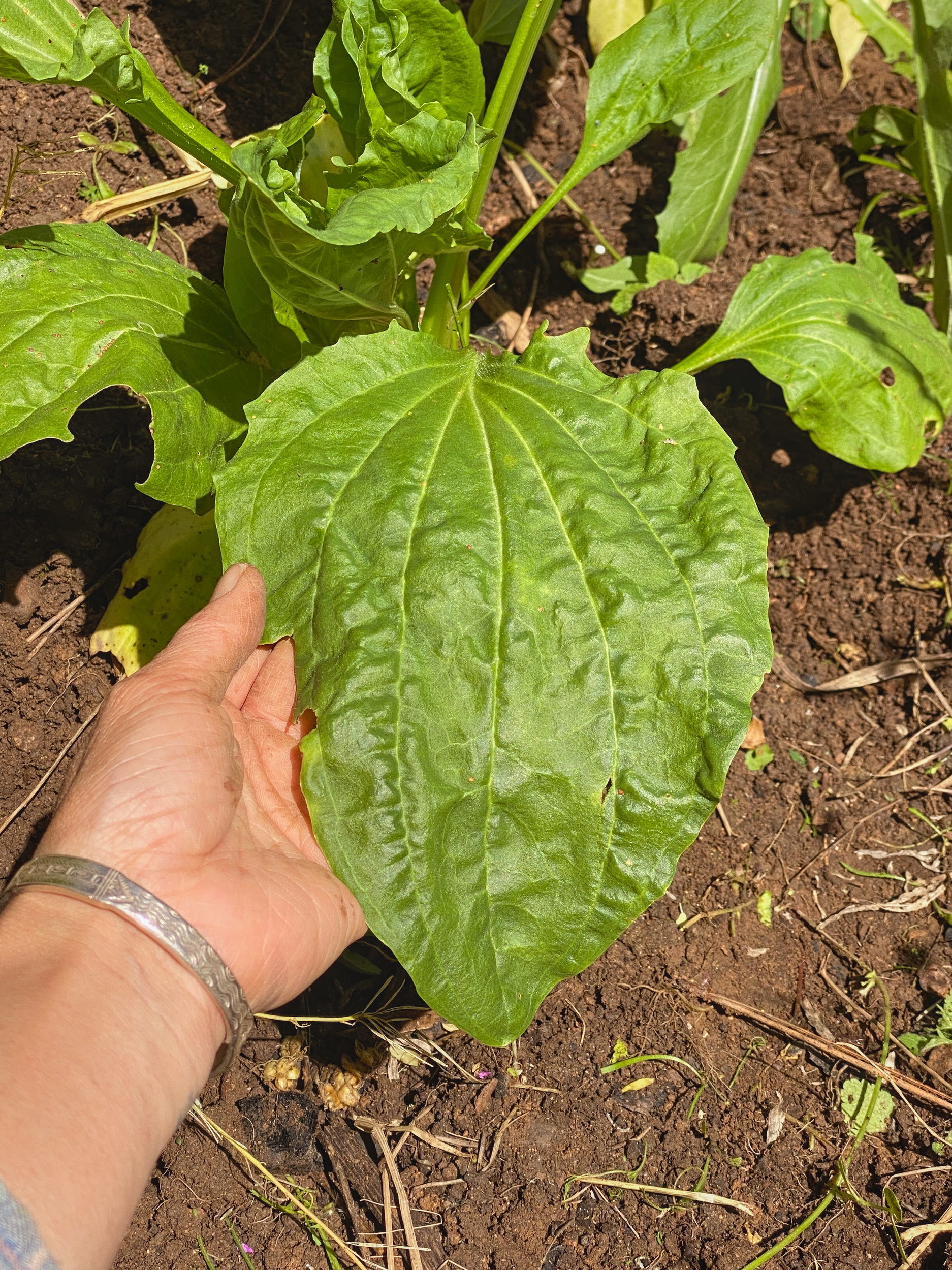
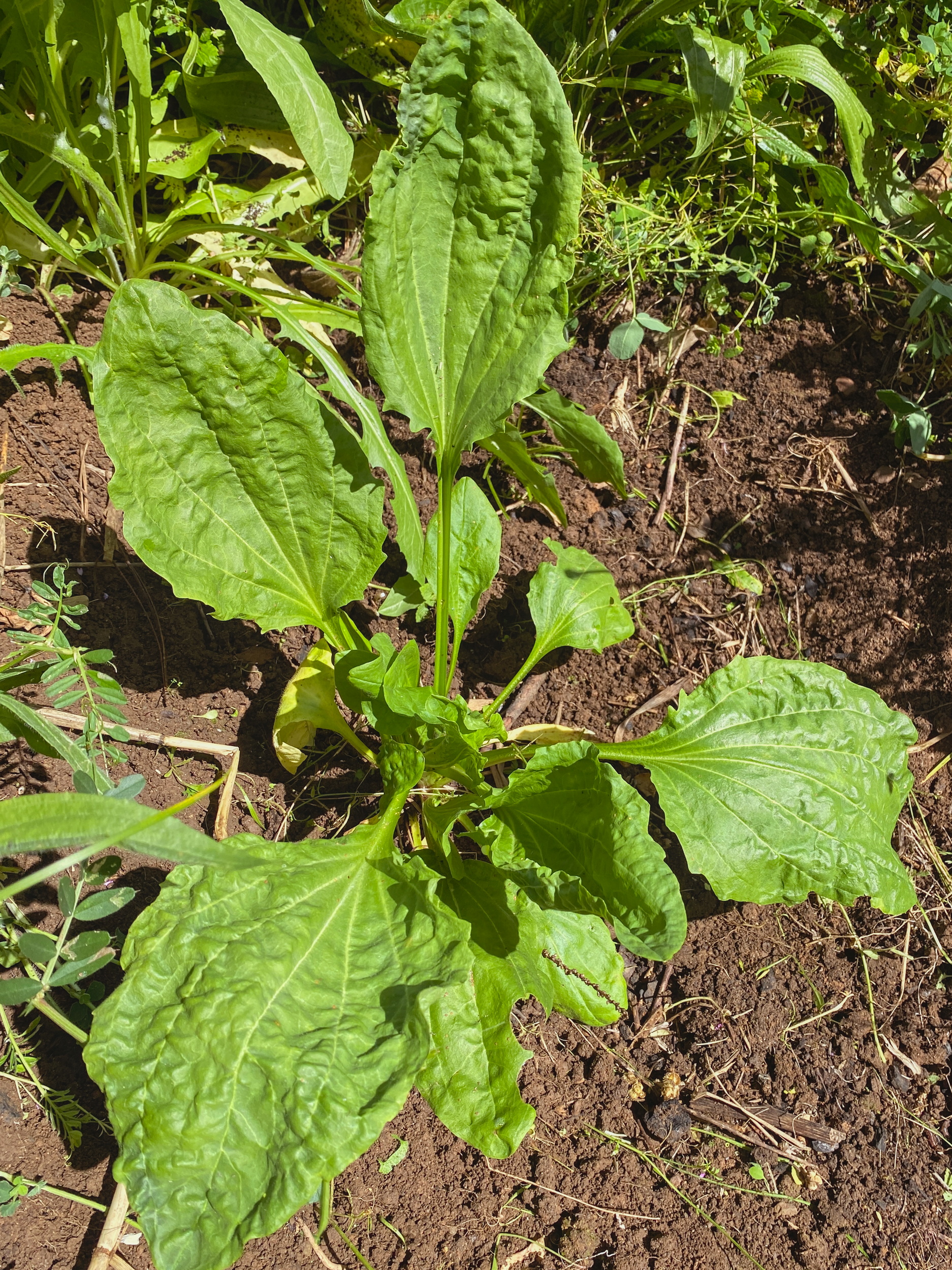
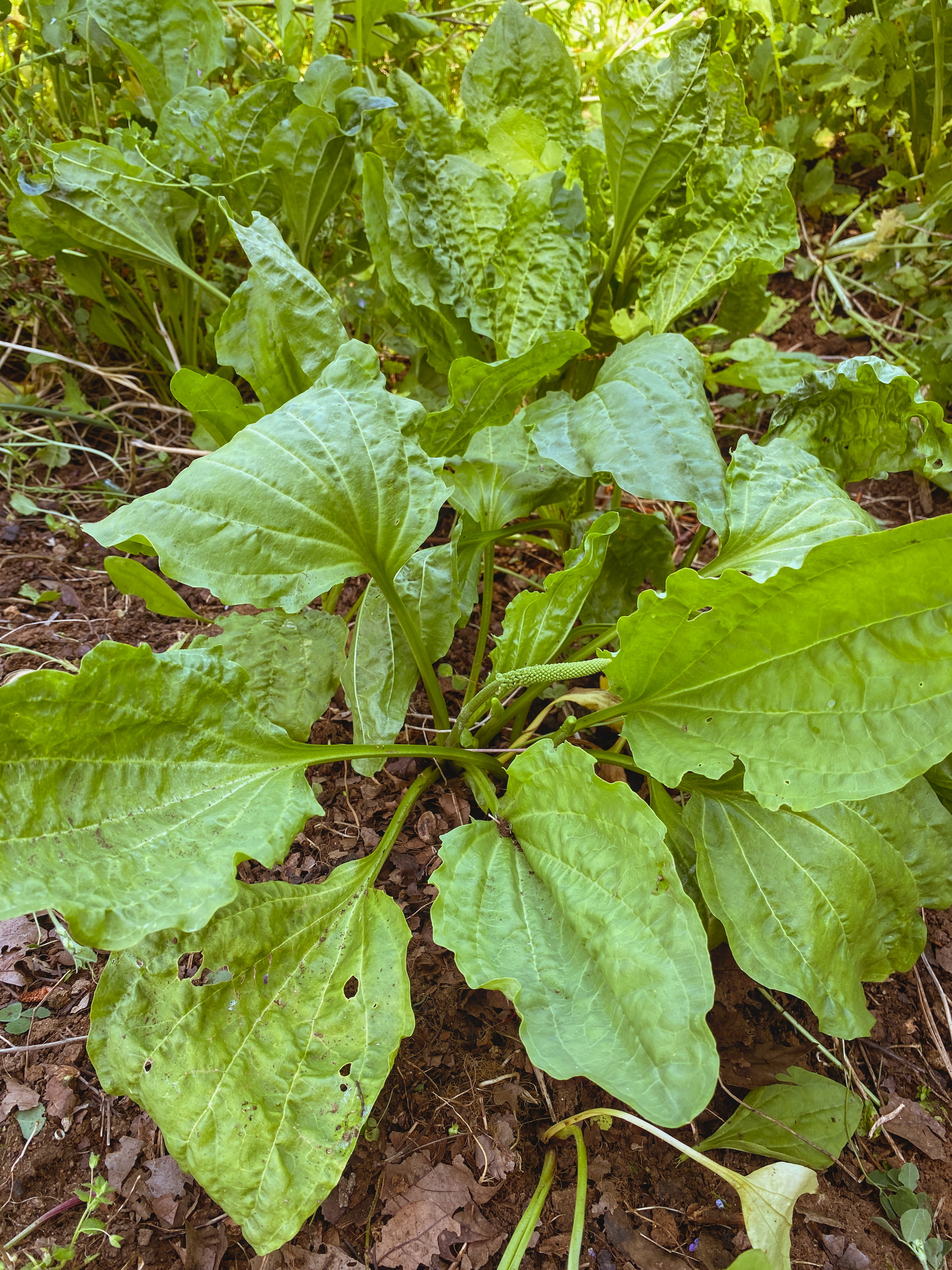
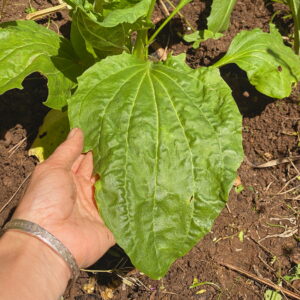
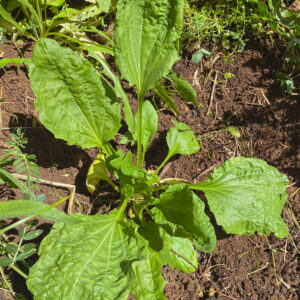
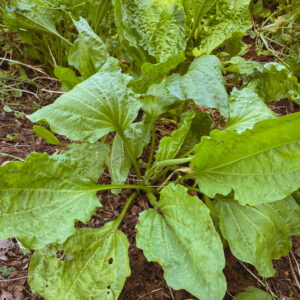
Plantain is perfectly safe to use both externally and internally, and it’s easy to identify the plant with its ribbed leaves and unique flower stalks. The multiple leaf ribs contain strong fibers and when you tear a leaf in half cross-wise, there’s a good chance you’ll see some of those “threads” pulled out from the leaf and exposed.
We also enjoy plantain as a nourishing food. As a strong weed, plantain is able to draw a lot of minerals from any soil, and we appreciate being able to bring some of those minerals into our diet.
One fun way to use plantain is in herbal pestos or pistous, by itself or mixed with other herbs. Pestos are delicious added into all kinds of foods. If you do try making plantain pesto, be sure to cut the herb into thin slices crosswise, so that the fibrous midribs do not stress or break your food processor (they will bind up easily if left too long).
While plantain pesto has become one of our favorite ways to consume plantain leaves in our meals, we also add chopped plantain leaves by themselves into stews, rice dishes (e.g. fried rices and pilafs), and chilis for extra nourishment.
Plantain leaves are easy to dry, spread out thin on a screen or tray, and then crumbled when dry. The leaves, even the midribs, crumble easily when dry and so you don’t need to pre-chop them before drying, which saves extra effort! We keep a bag or char of dry plantain leaves handy to add to stews in the winter time.
Dried plantain leaves also make good medicine, so if you live in a climate where you can’t harvest them year round, you may want to keep some dried plantain leaves handy for your herbal first aid kit. Dried plantain leaves are also great to have available in the travel herbal first aid kit.
As a weed, plantain reseeds itself easily. So we make sure to keep several “grandmother” plantain plants around different areas around the home and garden to keep seeding the next generations of plantain.
Plantain grows wild in much of north America, often found growing in lawns or pastures. As a pasture plant plantain is an excellent broadleaf/herbaceous forage for many livestock big and small. When given free choice, livestock will browse plantain leaves as needed for medicine and nutrition, and so plantain is a great choice for homesteaders that keep animals
The two common types of plantain plants are broadleaf plantain (Plantago major) and lanceleaf plantain (P. lanceolata). We are offering seeds for broadleaf plantain which has much wider leaves and smaller, but more numerous seeds. Both plants can be used interchangeably for medicinal and culinary purposes. However, we find that broadleaf plantain plants may be more preferable for the wider leaves (great for holding spit poultices in place) and seeds that are much easier to harvest, easier to process and less prone to insect damage.
If plantain is not already growing wild in your garden, I hope you consider inviting plantain into your garden!
Details
Lifecycle: Perennial
Lifespan: Average lifespan unknown
Hardiness zones: 3-12 (USDA)
Habitats: Lawns, pastures, disturbed soils.
Plant size: 1 ft wide x 1 ft tall
Light: Full sun to part shade
Soil: All soil types
Water: Prefers moist soils, some drought tolerance
Seed Starting
Sow plantain seeds in the fall or early spring in a nursery pot. Divide and pot up when they are large enough to handle. Plant them in their final location in the fall. Alternatively, direct sow seeds in their permanent location and weed around the young seedlings until they are big enough to hold their own.
As a weed, plantain seeds germinate quite readily in exposed soils. Once you get to know plantain, the true leaves of the small seedlings are fairly easily which helps identify the plants for weeding.
Cultivation
Plantain is a strong, resilient weed and is not picky about soil types, nor does it have any major issues with pests or diseases. Plantain does enjoy a fertile soil and will be more lush with organic matter and regular water. However, plantain does OK in soils that are less than ideal, including droughty and somewhat compacted soils. Our strain of plantain at least, has some adaptations for drought tolerance.
Harvest
Plantain leaves can be harvested by pulling or snipping the leaves from the rosette, anytime of year that the leaves are green. See “Seed Saving” below for harvesting seeds to use for medicine or food.
Propagation
Plantain can be divided when it is large enough, by dividing the crown and roots into multiple plants. However, plantain is easily started by seed and for most people, that’s the propagation method of choice.
Seed Saving
Wait for the plantain plant to create flower stalks and then keep an eye on them. Once the stalk sets seeds and dries, the seed stalk will turn brown. This is when you want to harvest the seeds. Plantain seed stalks ripen sequentially, rather than all at once, so come back in a few days if you want more. Cut the brown seed stalks and strip the seeds and husks from the stalks with your fingers into a small bowl or container. Then screen the seeds from the husks with a fine mesh sieve that the seeds can pass through.




Reviews
There are no reviews yet