



Description
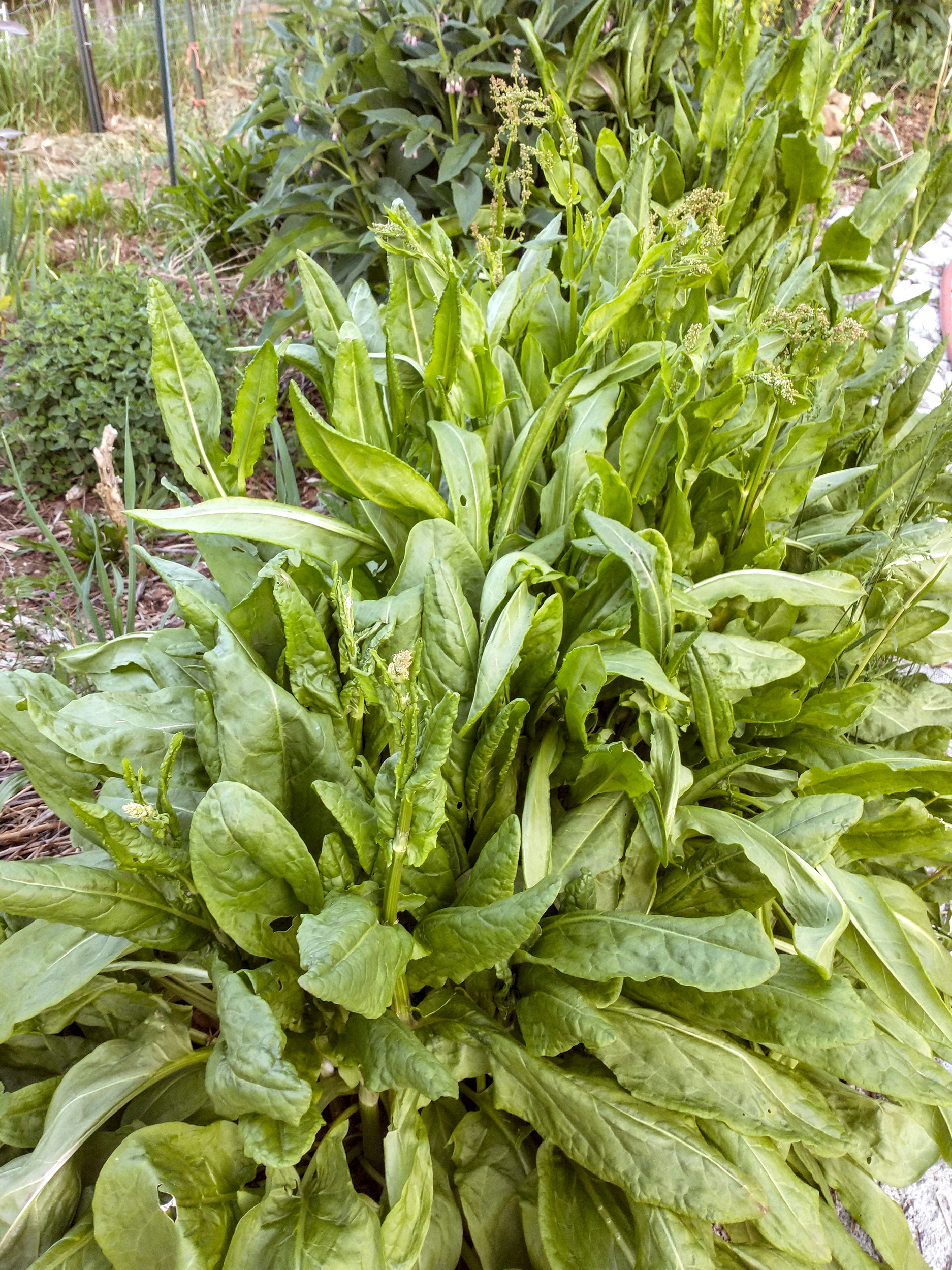
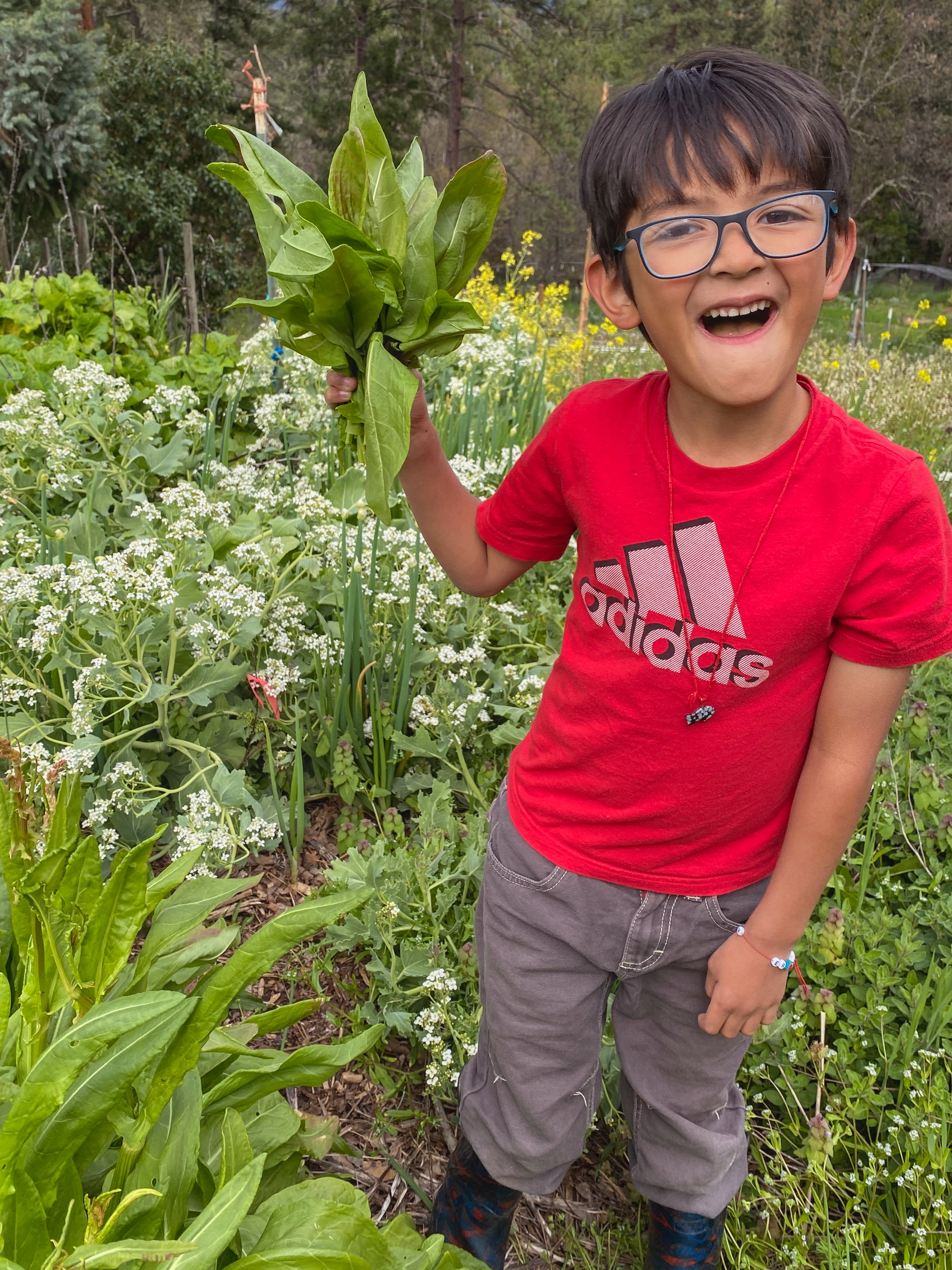
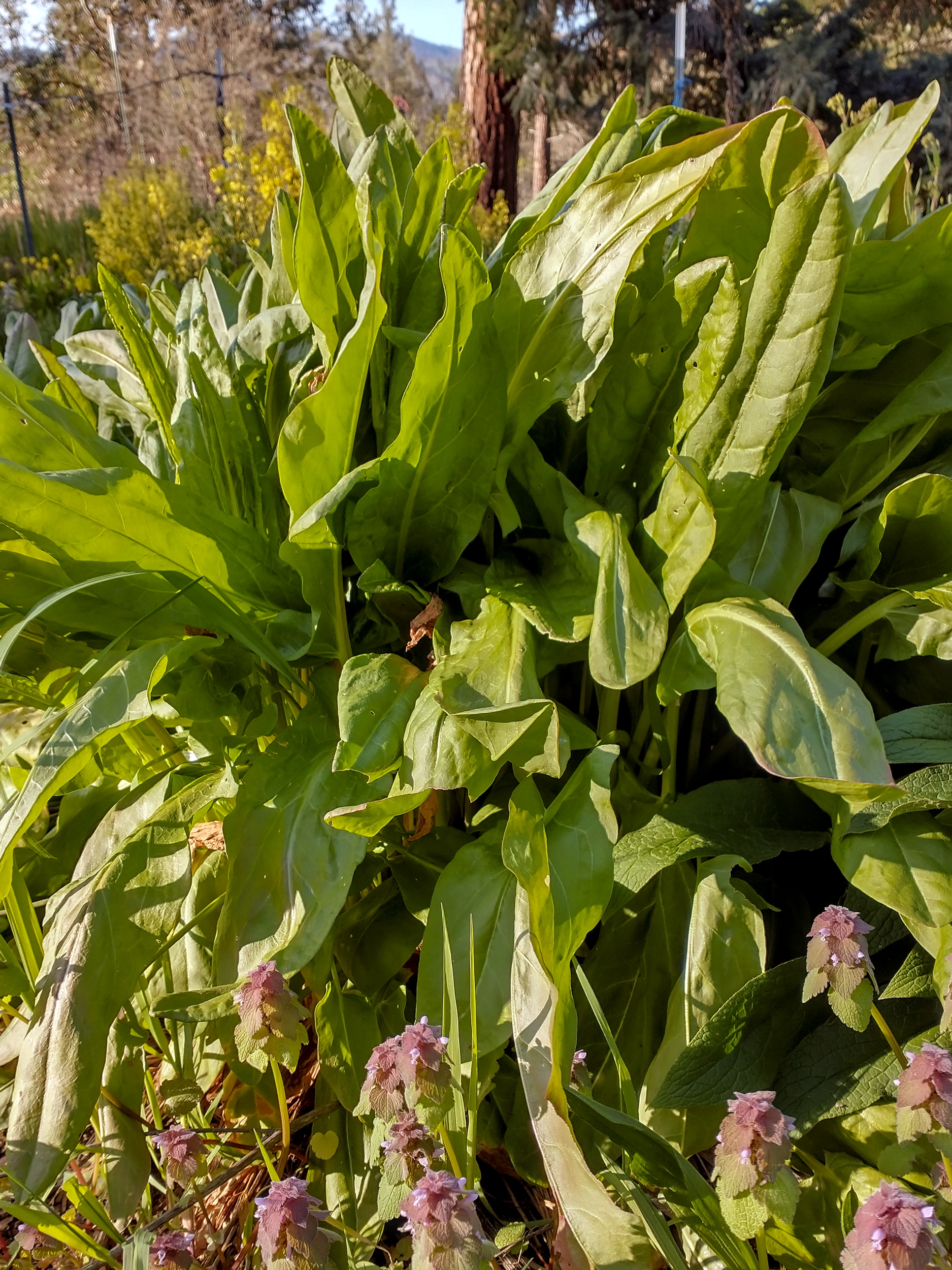
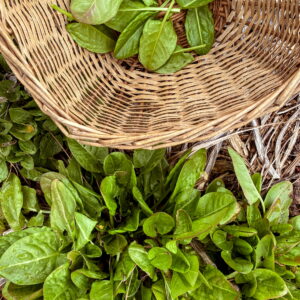
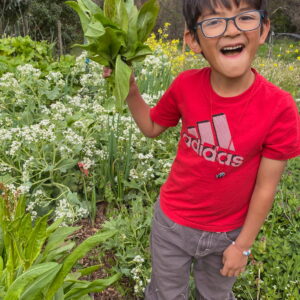
Garden sorrel is a fun perennial herb that offers abundant nutritious pizazz in our seasonal food and beauty in the garden. Garden sorrel is so easy to grow and requires very little care once established which is one of my criteria for perennial homestead food plants that we can depend on.
Garden sorrel is in the Rumex family and is closely related to other docks, such as yellow dock, curly dock as well as french sorrel, sheep sorrel and more. One thing all these plants share in common is their tart flavor.
Garden sorrel is high in oxalic acid which gives their leaves their strong sour flavor. It’s fun fresh in moderation and garden sorrel is a fun plant to nibble in the garden or add in moderation to salads. We sometimes include minced garden sorrel as an herb in our spring rolls or noodle dishes.
For larger quantities or people sensitive to oxalic acid, its best to cook the greens thoroughly. Most of the oxalic acid is neutralized during cooking and we are left with only the slightest hint of tartness. While I only want to eat a few nibbles of the fresh leaves due to the strong oxalic flavor, I enjoy eating large amounts of the cooked greens and my body enjoys all the minerals they offer.
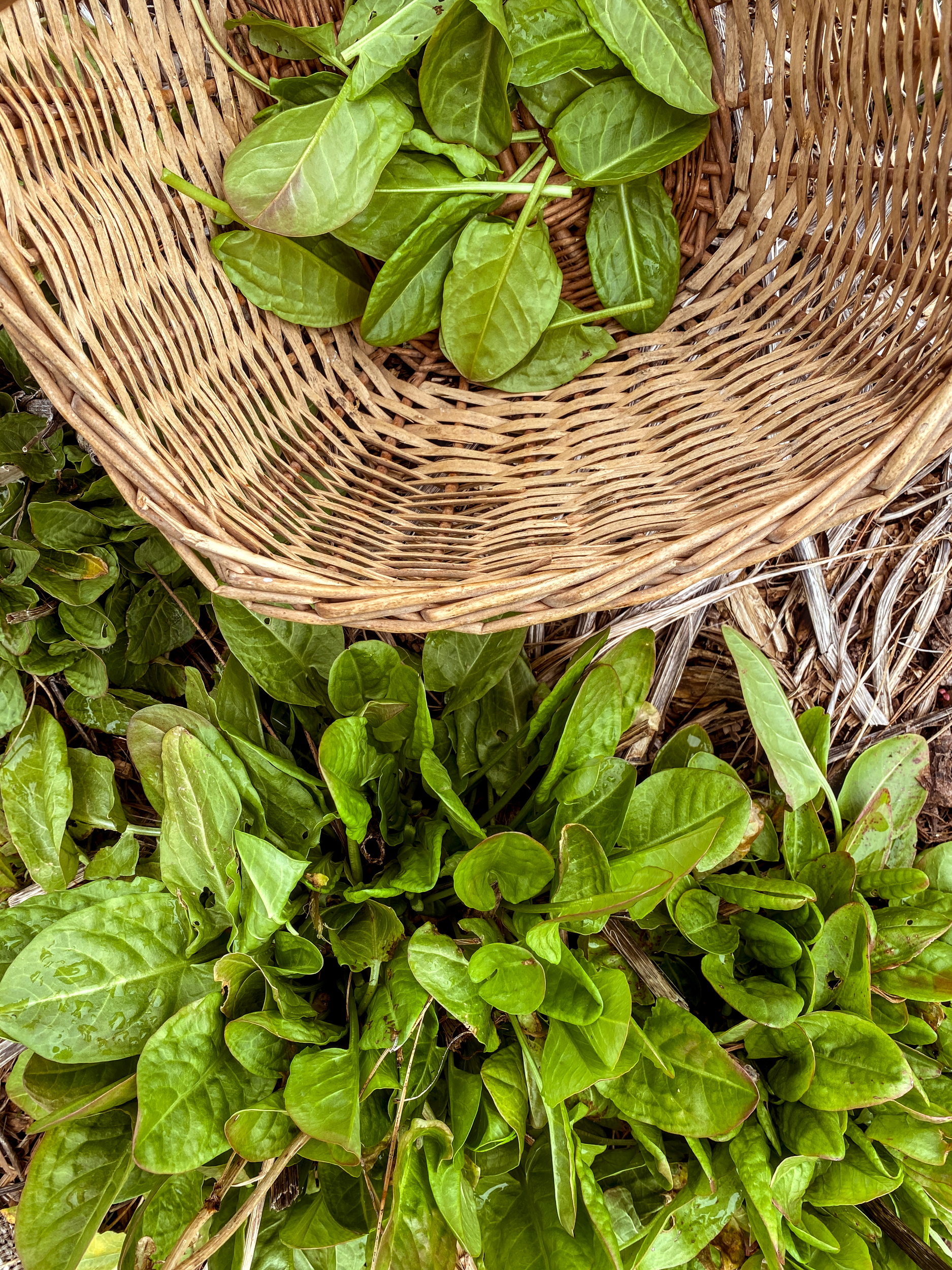
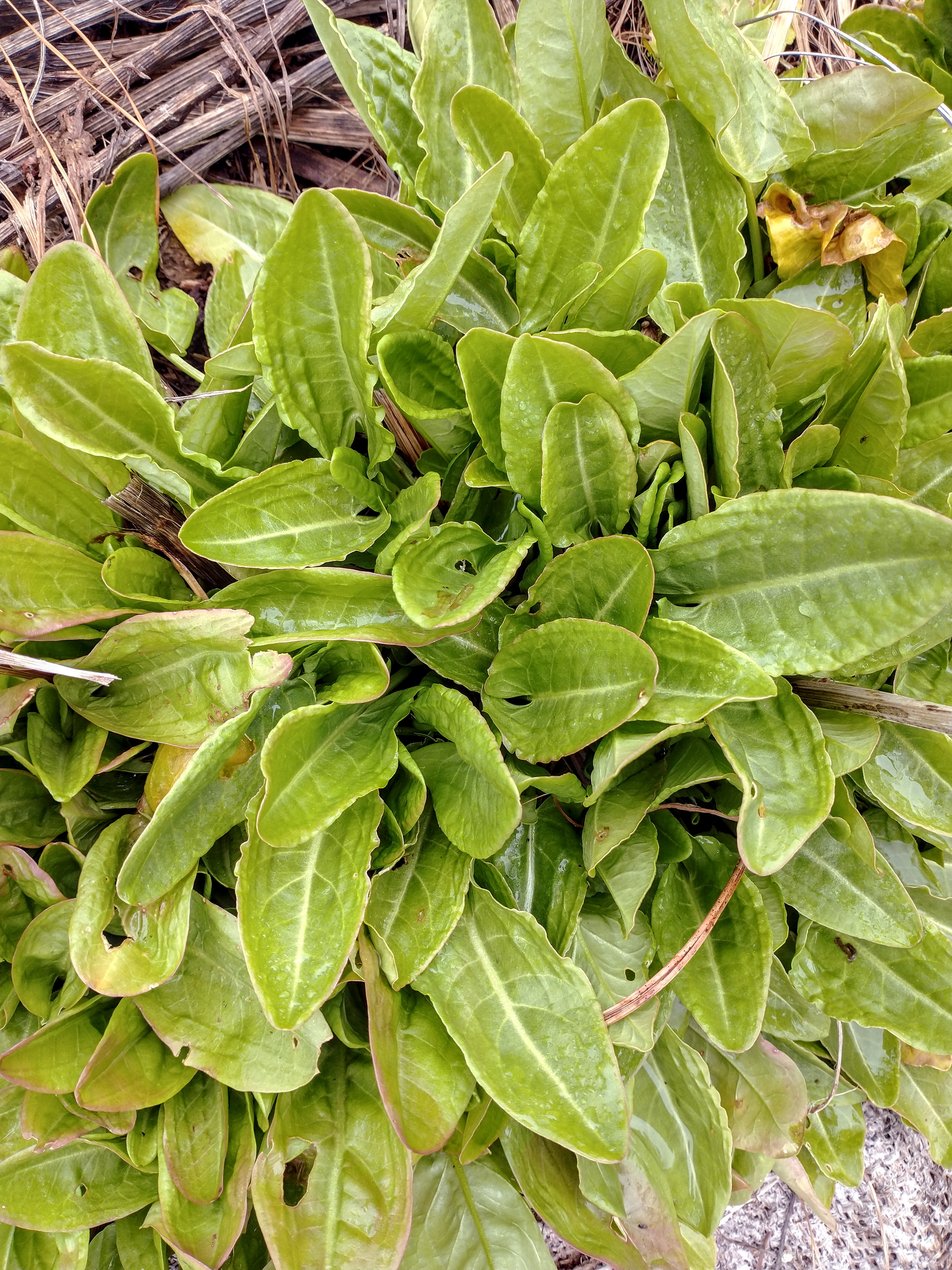
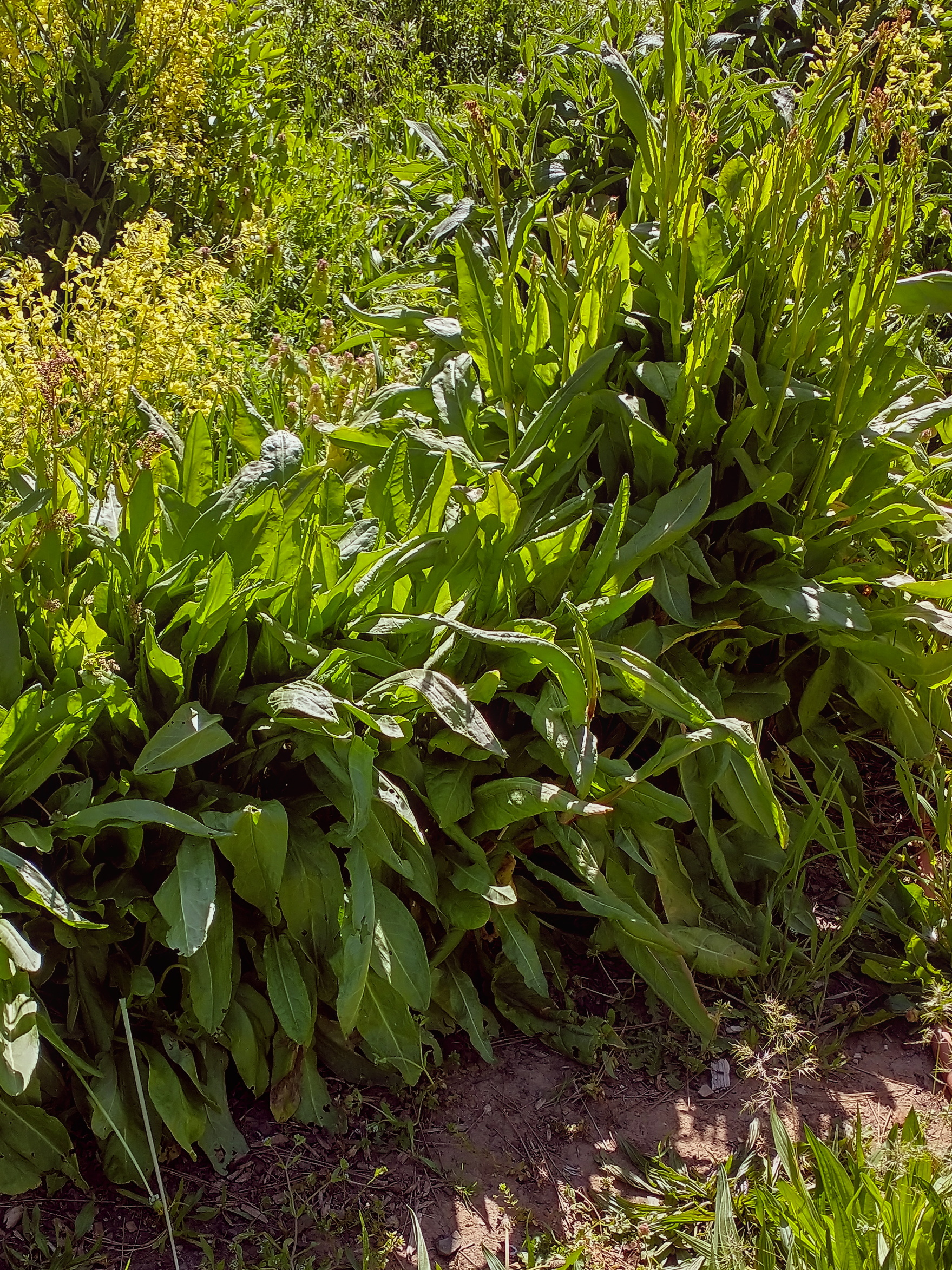
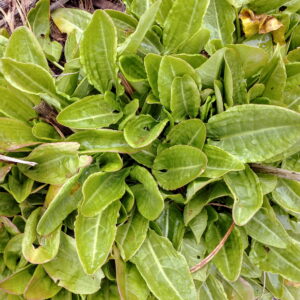
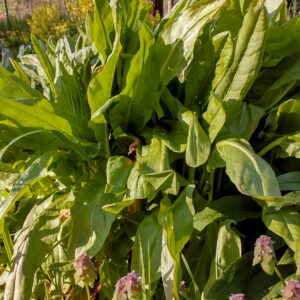
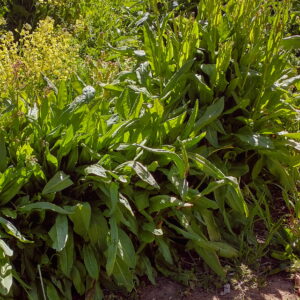
In our climate leaves grow abundantly in the spring and fall. Climates with cooler summers might enjoy a longer season for garden sorrel greens. Garden sorrel cranks out many leaves in tight bunches and up until the time the plant is flowering, we can treat the garden sorrel leaves like a cut and come again plant and enjoy several consecutive harvests that way.
Garden sorrel is delicious cooked into soups, noodles, rice, stews, risotto, eggs, saag, spanakopita and more. Its a very versatile cooked green with an enjoyable, mild texture and flavor once cooked well. Garden sorrel lends itself well as a substitute for spinach or cooked with other greens.
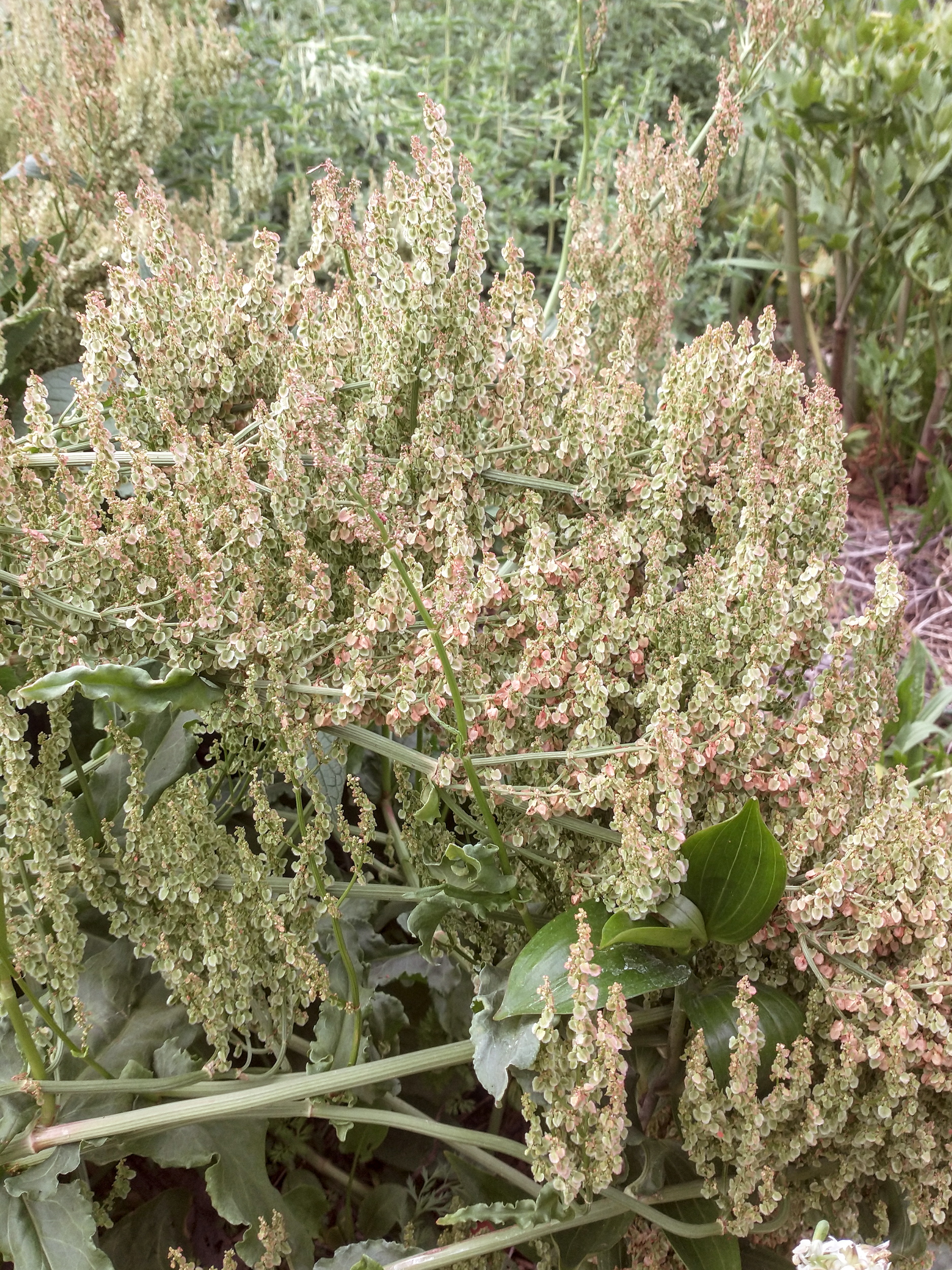
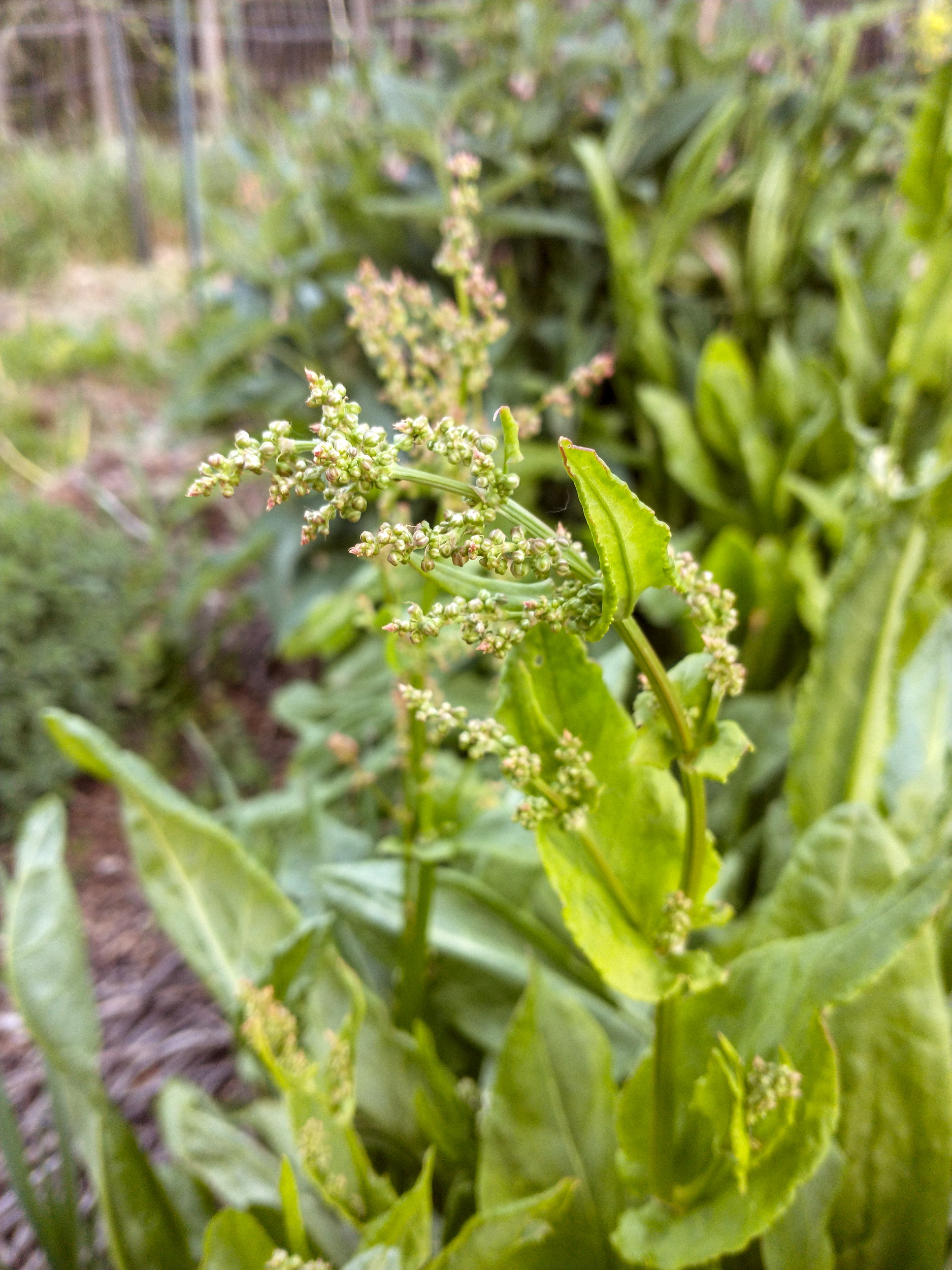
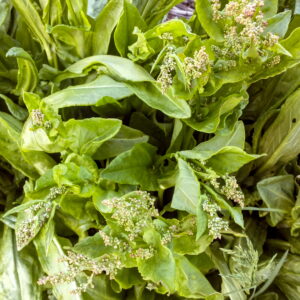
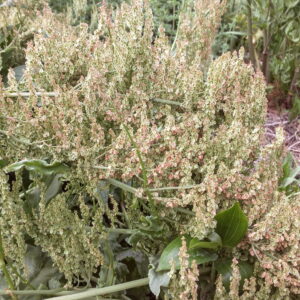
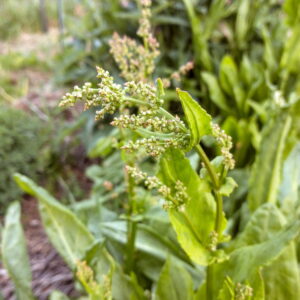
Garden sorrel flowers are beautiful and offer a very subtle redness. The young flowers can be cooked as vegetables, but we enjoy allowing them to set seed. As they grow in height the seeds are almost unnoticeable from a distance in their green husks. But eventually as the seed stalks start to dry out, the green husks start to change color.
First they are multicolored and turn green-pink. This stage is perfect for harvesting the seed stalks to bring inside for arrangements or to dry to make dried arrangements later, or simply to have by themselves for beauty.
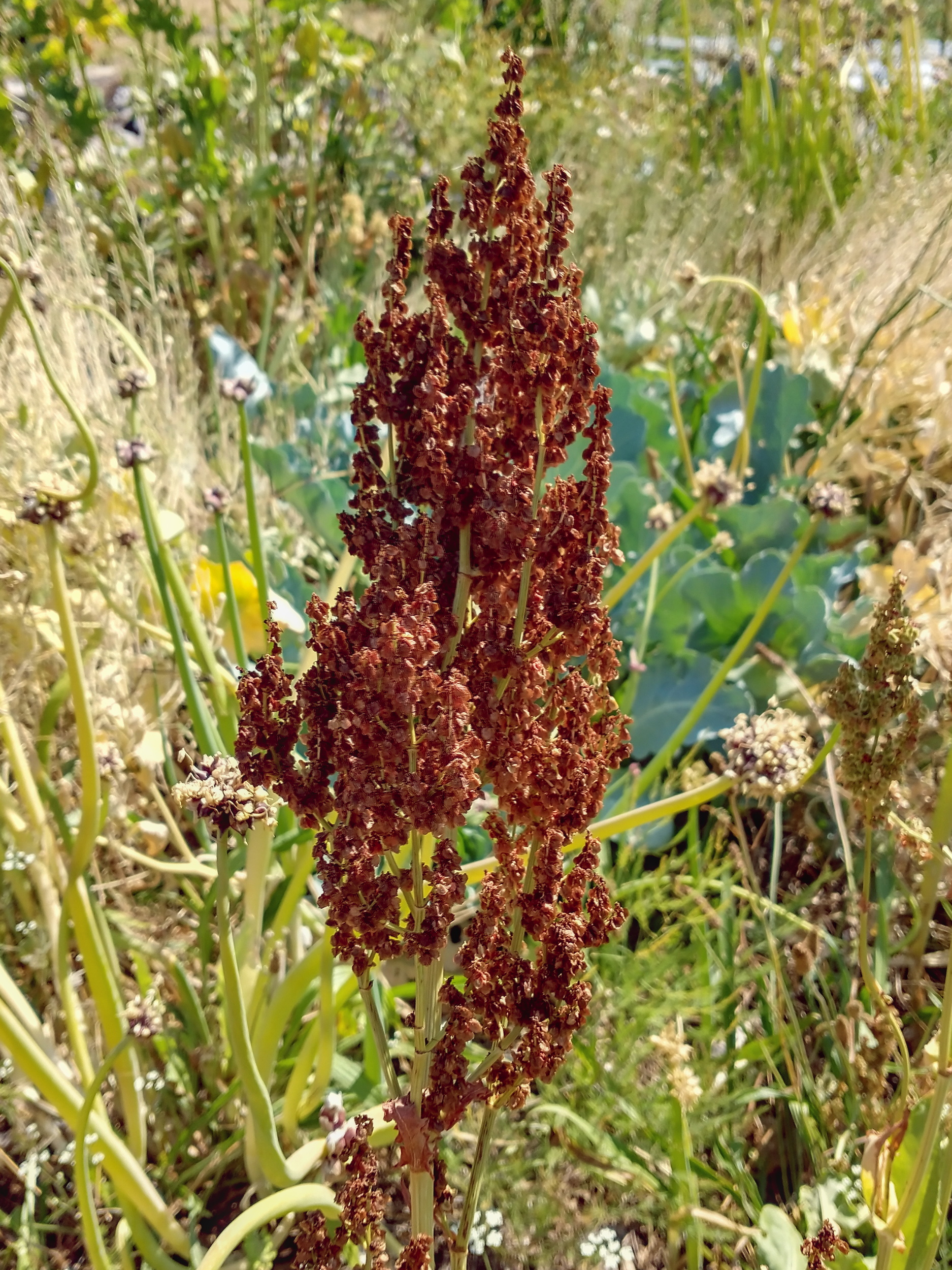
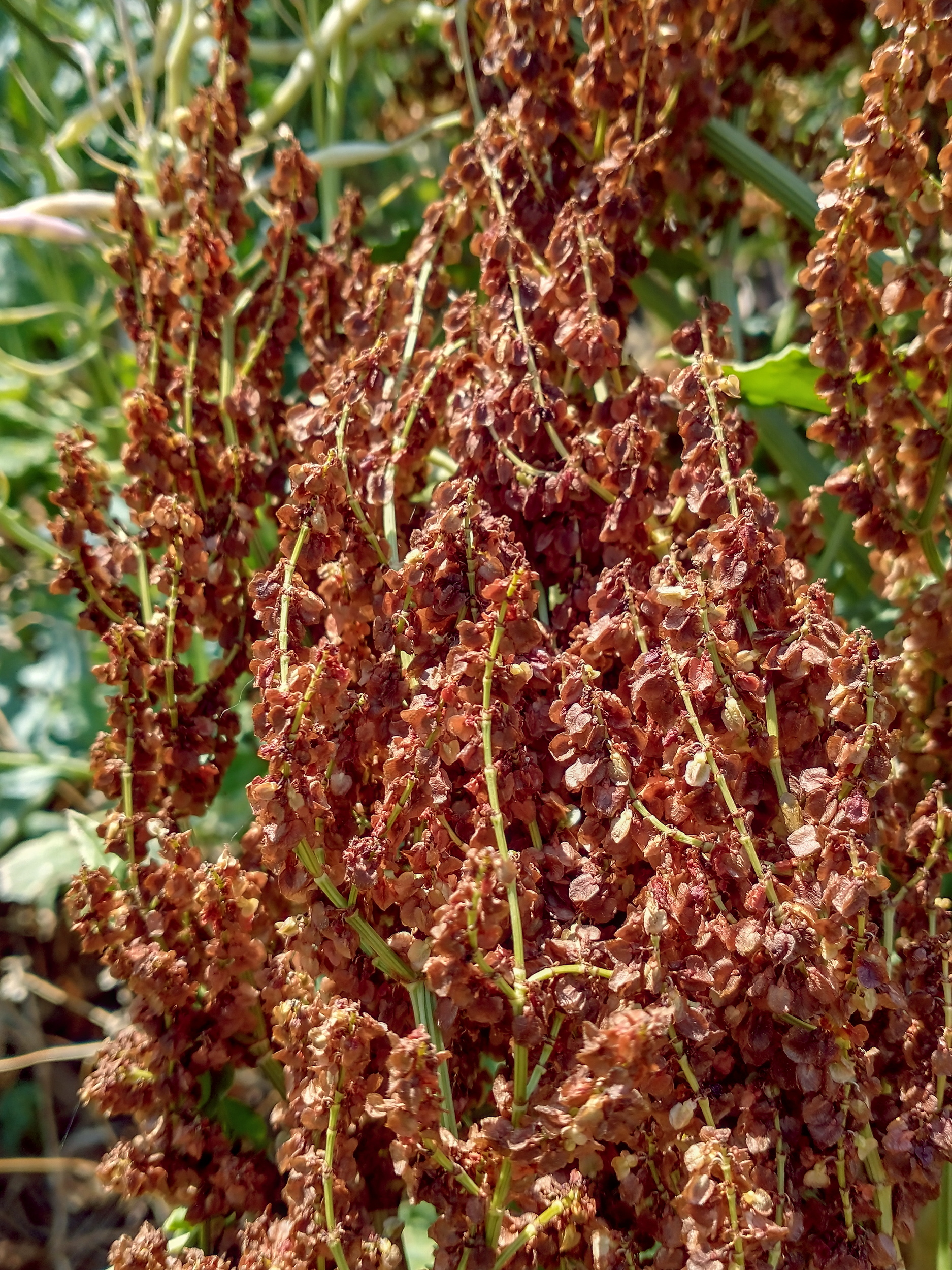
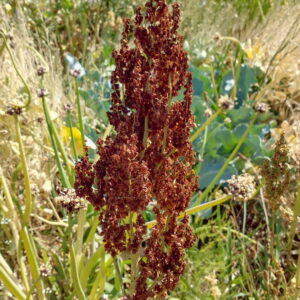
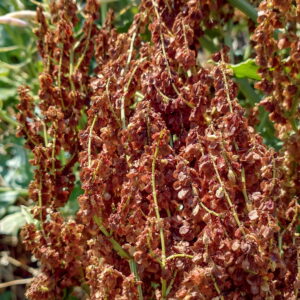
After that stage the seed stalks continue to dry and the seed husks turn rust orange-red and become a fiery spike of color in the garden, popping out from green plants. Those seed stalks are reminiscent of other Rumex species such as the various docks and sorrels.
After the garden sorrel seed stalk is fully dry, seeds will fall relatively easily from the seeds when brushed upon. While garden sorrel is not taking over our garden we do see volunteers here and there and allowing some of them to grow is a nice way to encourage and support the next generation.
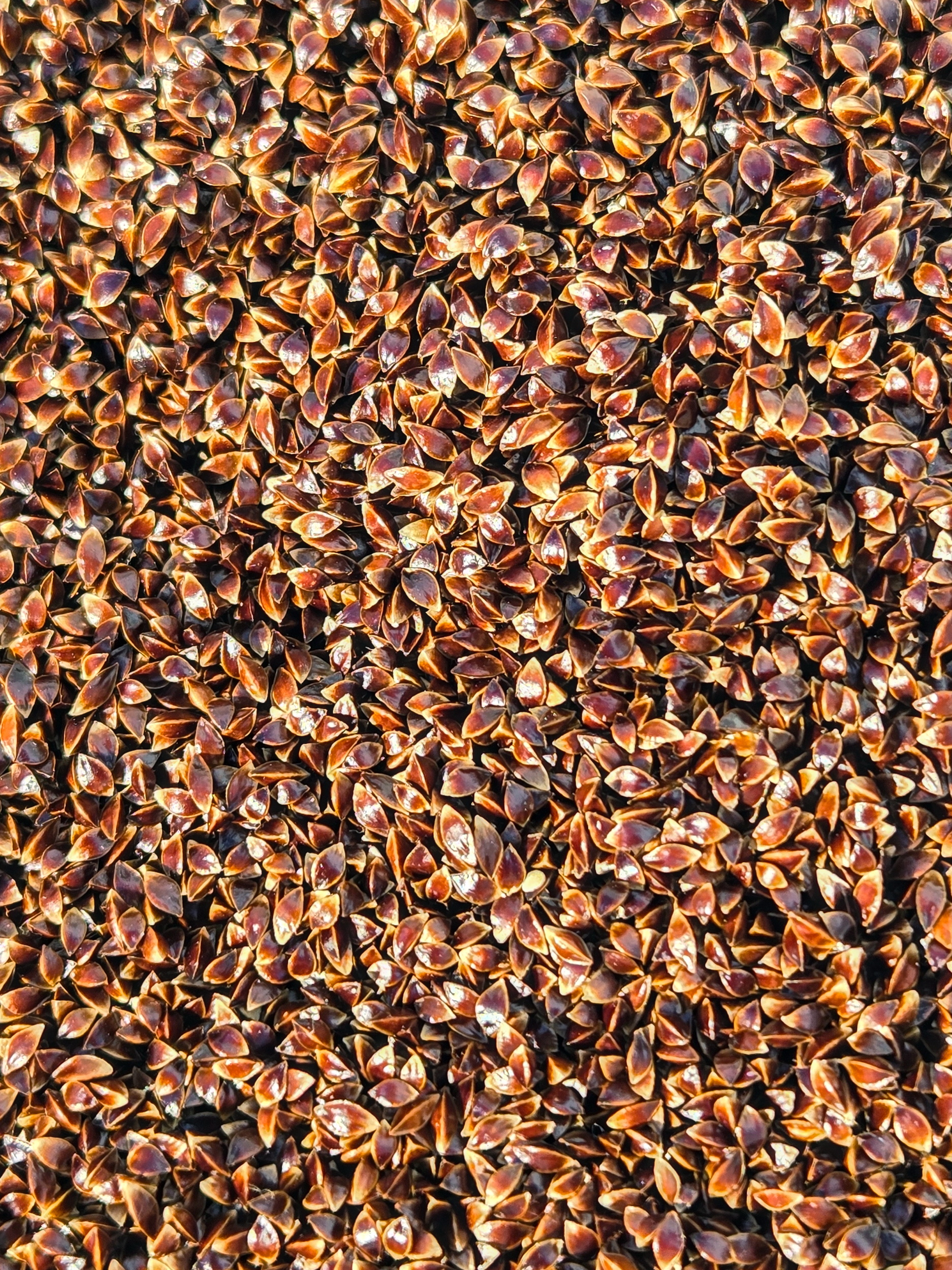
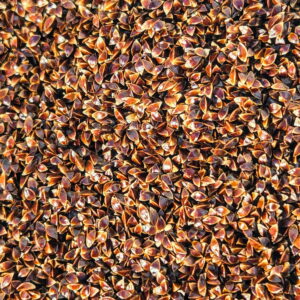
We collect garden dock seeds and de-husk them to reveal the small brown pyramidical seeds. They are dark brown and shiny somewhat like the color of flax seeds. The garden sorrel seeds that we do not sell make their way into our kitchen cupboards to be used as nutritious additives to food such as granola, crackers or rice. They have a delicious mildly nutty flavor.
We are so excited to share garden sorrel seeds with you so that you can enjoy this beautiful, nutritious herb!
Details
Lifecycle: Perennial
Lifespan: 5+ years
Hardiness zones: 3-7 (USDA)
Habitats: Meadows, streams and forest edges in Europe and Asia
Plant size: 1 1/2 ft wide by 3 ft tall
Light: Full sun to part shade
Soil: All soil types
Water: Moist soil preferred
Seed Starting
Sow seed in spring, covering the small seeds with just 1/8″ soil. Don’t allow seeds to dry out until they germinate. I prefer to sow garden sorrel in flats or nursery pots and then prick out and plant in their final location once they have a few sets of leaves. Its also relatively easy to direct sow garden sorrel directly in a well prepared bed.
Cultivation
Garden sorrel is easy to grow and requires little care once established. It will hold its own against weeds and even grass and makes a great border plant. I like growing garden sorrel in clusters or repeated along a pathway because it makes a great border and grows well when placed close together with other sorrels, providing a dense swath of greens. Sorrel also works well book-ending annual beds or interplanted with other perennials. After the flower stalks form seeds in the summer, prune them down to make room for another flush of greens.
Harvest
In our zone 7 climate we enjoy two flushes of sorrel leaves in the shoulder seasons. First are the spring greens which come in early spring. Then after the plants are done flowering in the summer another flush of leaves come in the fall. Seed stalks are harvested for drying, arrangements or decoration when they are green and just starting to change color. Once they are rusty orange-red the seeds will fall easily from them.
Propagation
Established garden sorrel plants can be divided in the fall, winter or spring.
Seed Saving
Harvest seed stalks when the seed husks have all turned a rusty red. Cure the stalks and thresh by crushing or strip seeds from them. If using the seeds for food or if cleaner seed is desired, they can be removed from the husks using gentle friction and then screened and/or winnowed. Our seed course details two ways to de-husk sorrel seeds.
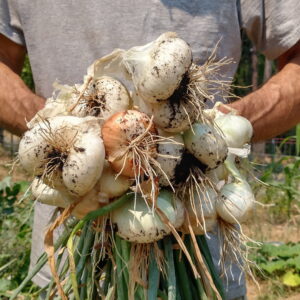


Germinated and growing well