








Description
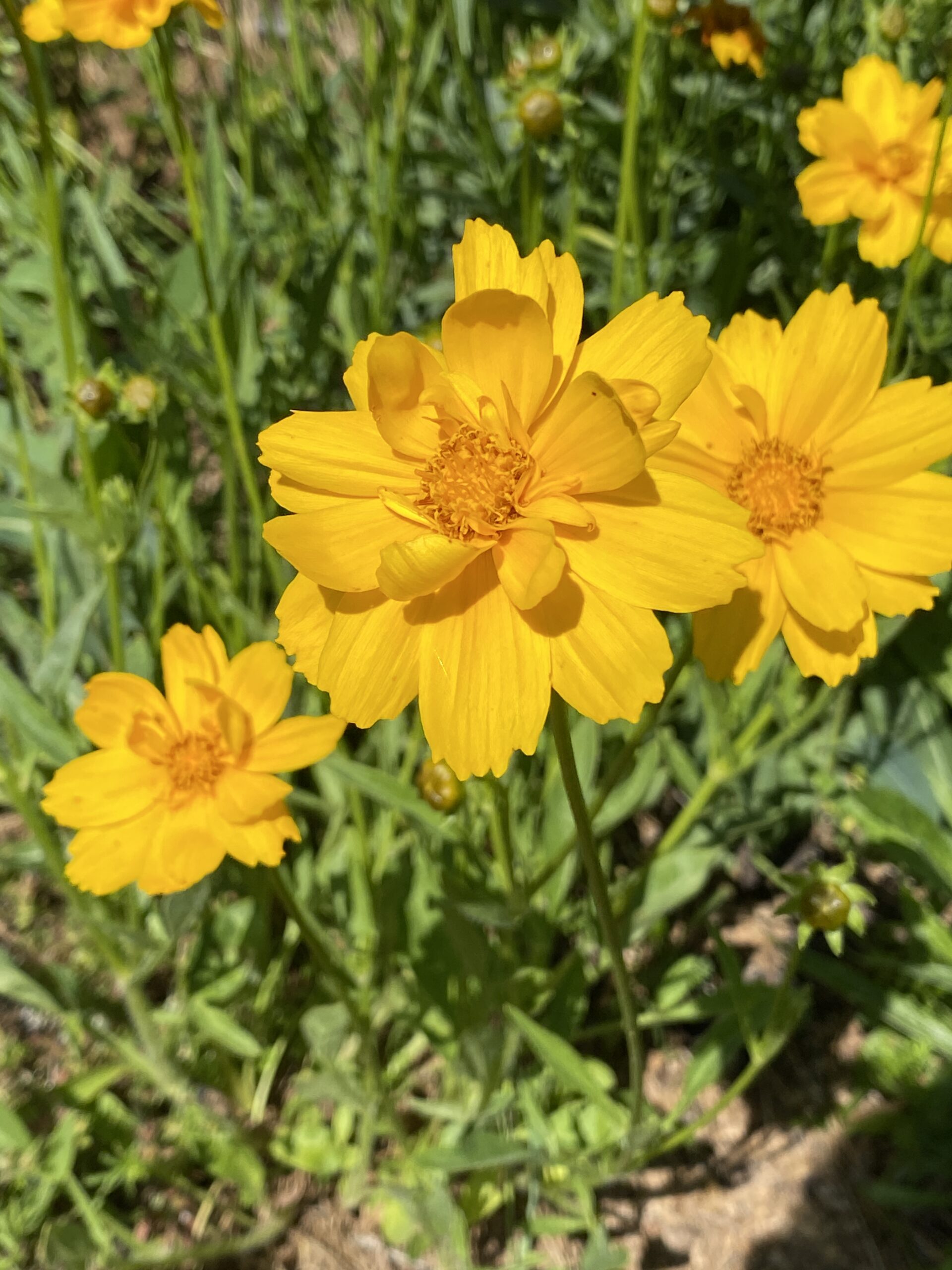
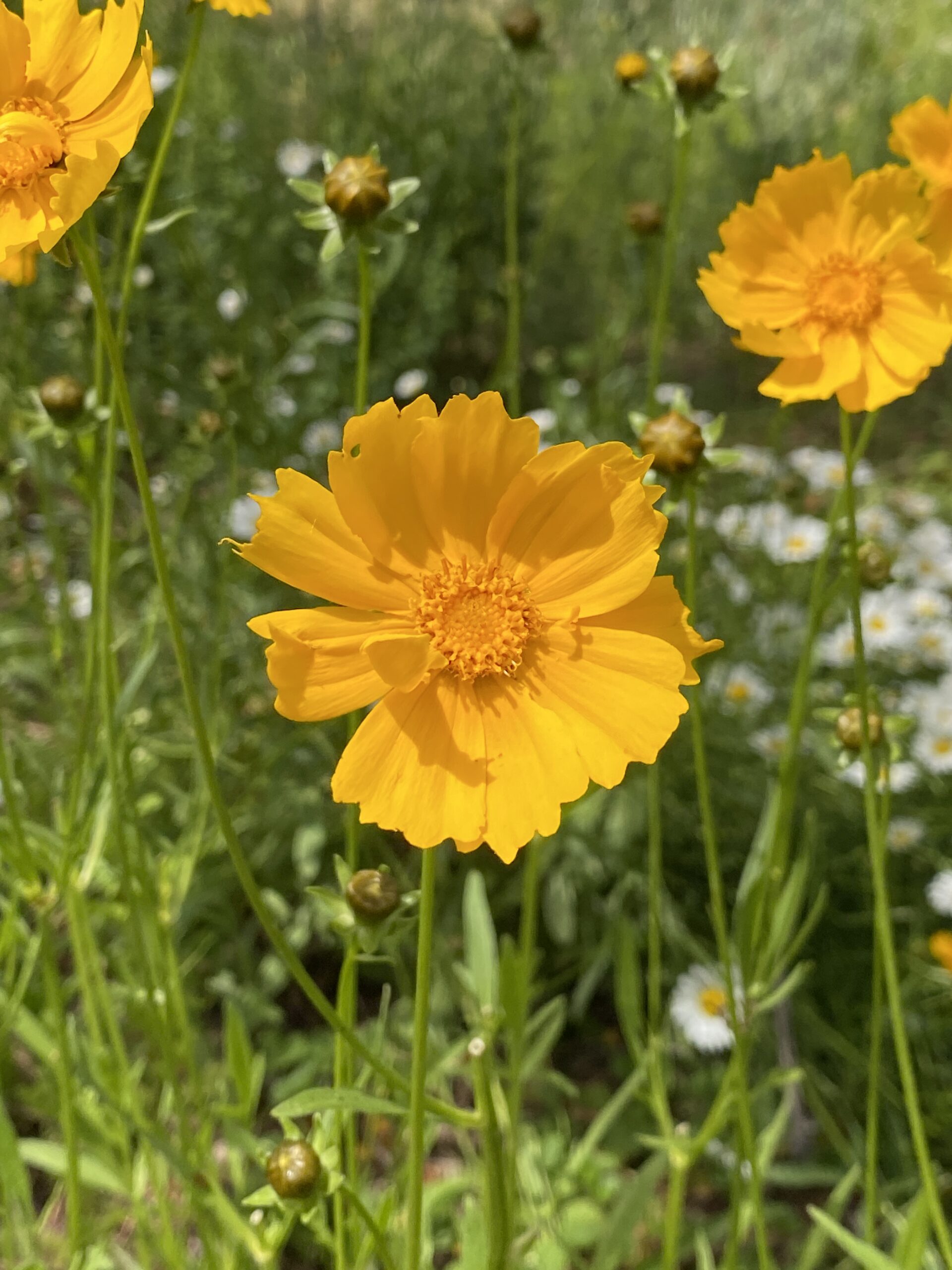
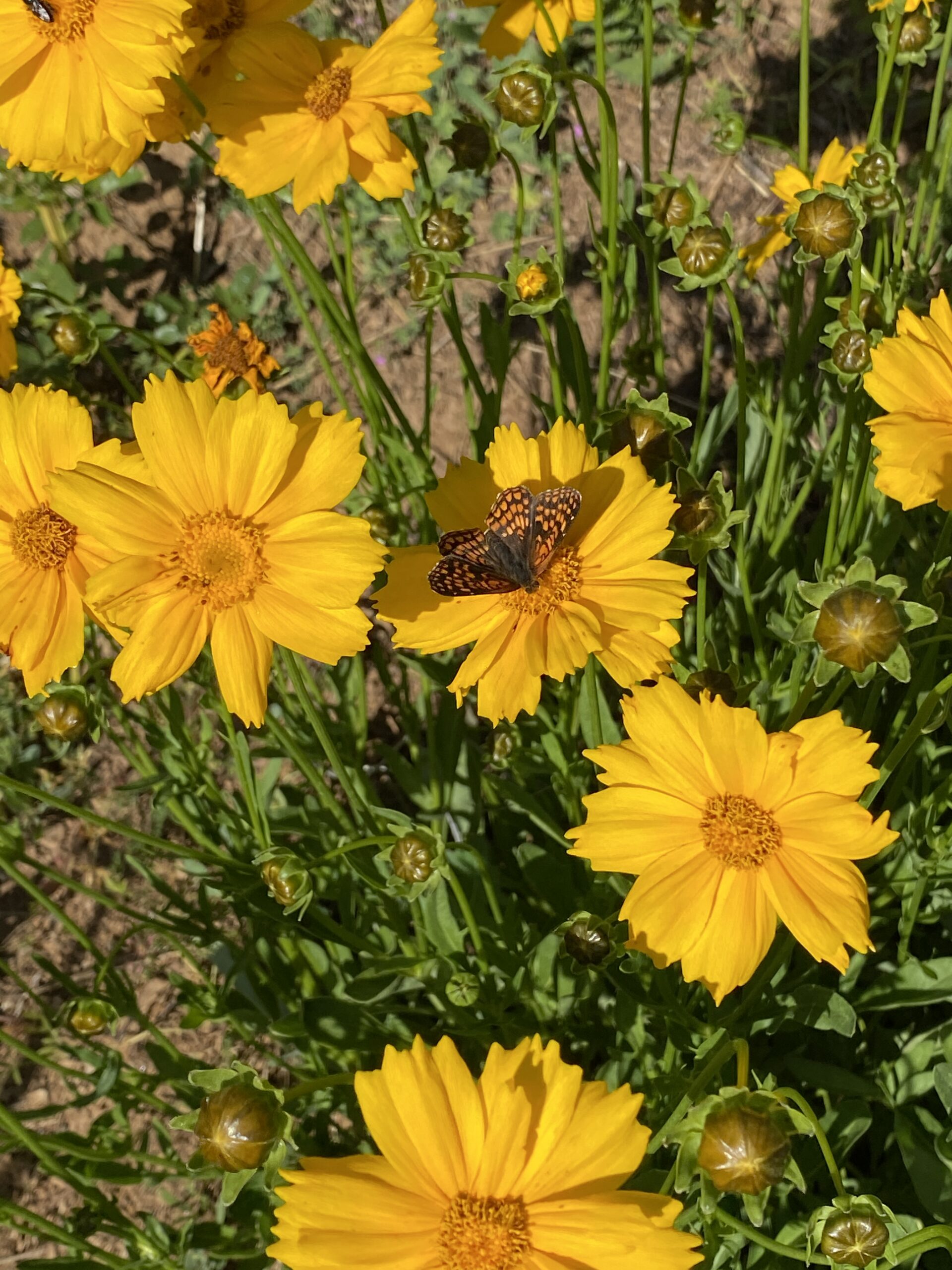
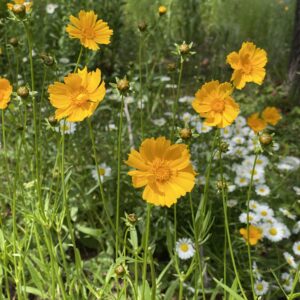
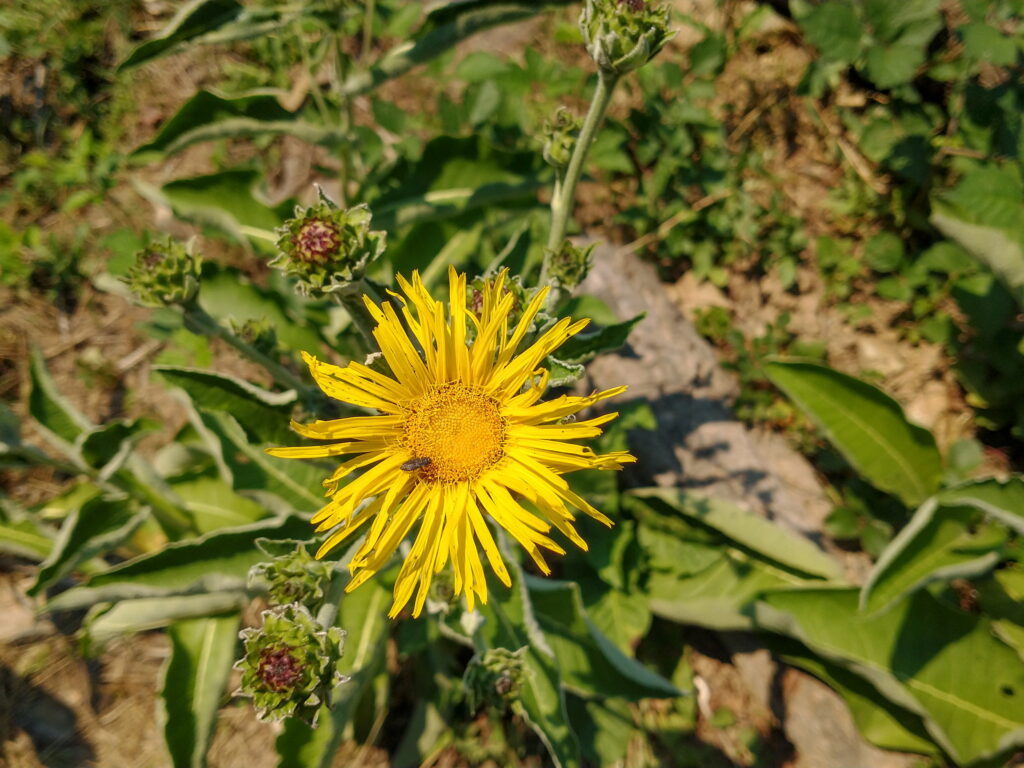
Lanceleaf Coreopsis is a hardy and prolific perennial flower with numerous bright and cheerful 5″ wide blooms on each plant. Perennial coreopsis, or tickseed, is native to most of the United States, often growing in alpine wildflower prairies and meadows. Coreopsis is easy to care for, self-sows abundantly, while also being rabbit and deer resistant, making it versatile and ideal for most gardens. As a native flower, coreopsis provides nectar for many insects including butterflies and bees. In the fall and winter seasons, coreopsis will go dormant, but dried stems, if left in place, continue to provide seeds for songbirds.
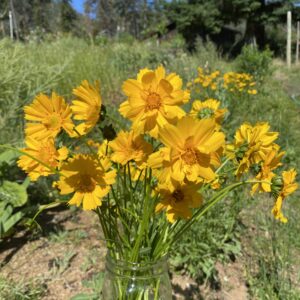
Coreopsis thrives well in poor soil and is moderately drought and heat tolerant. It’s one of the few flowers that continue to bloom through our dry and hot summer well into fall. It’s an excellent cut flower with sturdy, straight stems and a long vase life. Cut often during the summer months for continued blooms.
Note: Lanceleaf Coreopsis (Coreopsis lanceolata) is a different species from Dyer’s Coreopsis (Coreopsis tinctoria), which is an annual flower with smaller, more delicate blooms on wiry stems. Both species can cross to make new hybrids.
Details
Lifecycle: Perennial
Lifespan: 3-7 years
Hardiness zones: 3-8 (USDA)
Habitats: Temperate forests and alpine meadows
Plant size: 5 ft wide x 4 ft tall
Light: Full sun
Soil: Well-drained, poor soil
Water: Moderate
Seed Starting
Sow coreopsis seeds indoors 6-8 weeks before last frost date. Press into soil but do not cover. Needs light to germinate. Transplant into the garden after danger of frost has passed, 2-3 ft apart.
Cultivation
Lanceleaf Coreopsis has no special needs besides good drainage and moderate water. It does best in full sun and if given space and plenty of sunshine, will grow into a large 5 ft wide clump.
Harvest
For flower arranging, cut when the flower is half open. Cut close to the ground to encourage re-bloom and longer stems.
Propagation
Coreopsis is easy to propagate from seed and should be left to self-sow to fill in spaces. Once the seed head is fully dry, let them drop in place to spread more in the same area, or collect the seeds to sow in other places.
Seed Saving
After flowers are spent, brown, crispy seed heads will develop in late summer/fall. The seeds are easy to identify (they look like “ticks,” hence the name tickseed). The seed heads are easy to collect with your hands simply by pulling them off the stems. Collect seed heads into a bucket and gently thresh or crush the dry seed heads. If it’s a small amount, you can rub the seed heads between your hands to release the seeds. Then winnow the remaining chaff from the seeds. Store seeds in a dry/cool place until ready for planting.



Reviews
There are no reviews yet