

Description
Marshmallow is one of our mainstay garden plants for nutrition, food as medicine and abundant beauty.
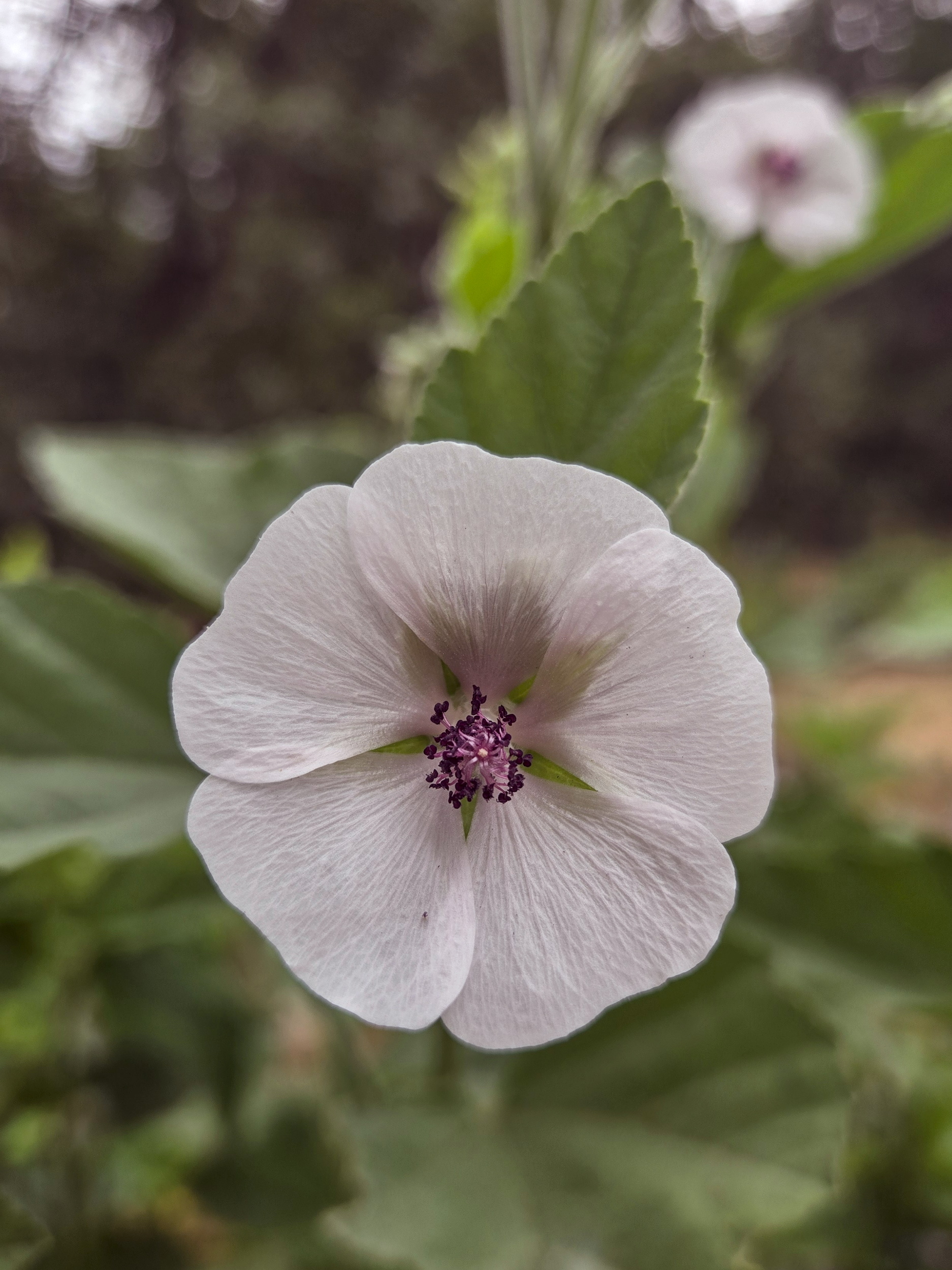
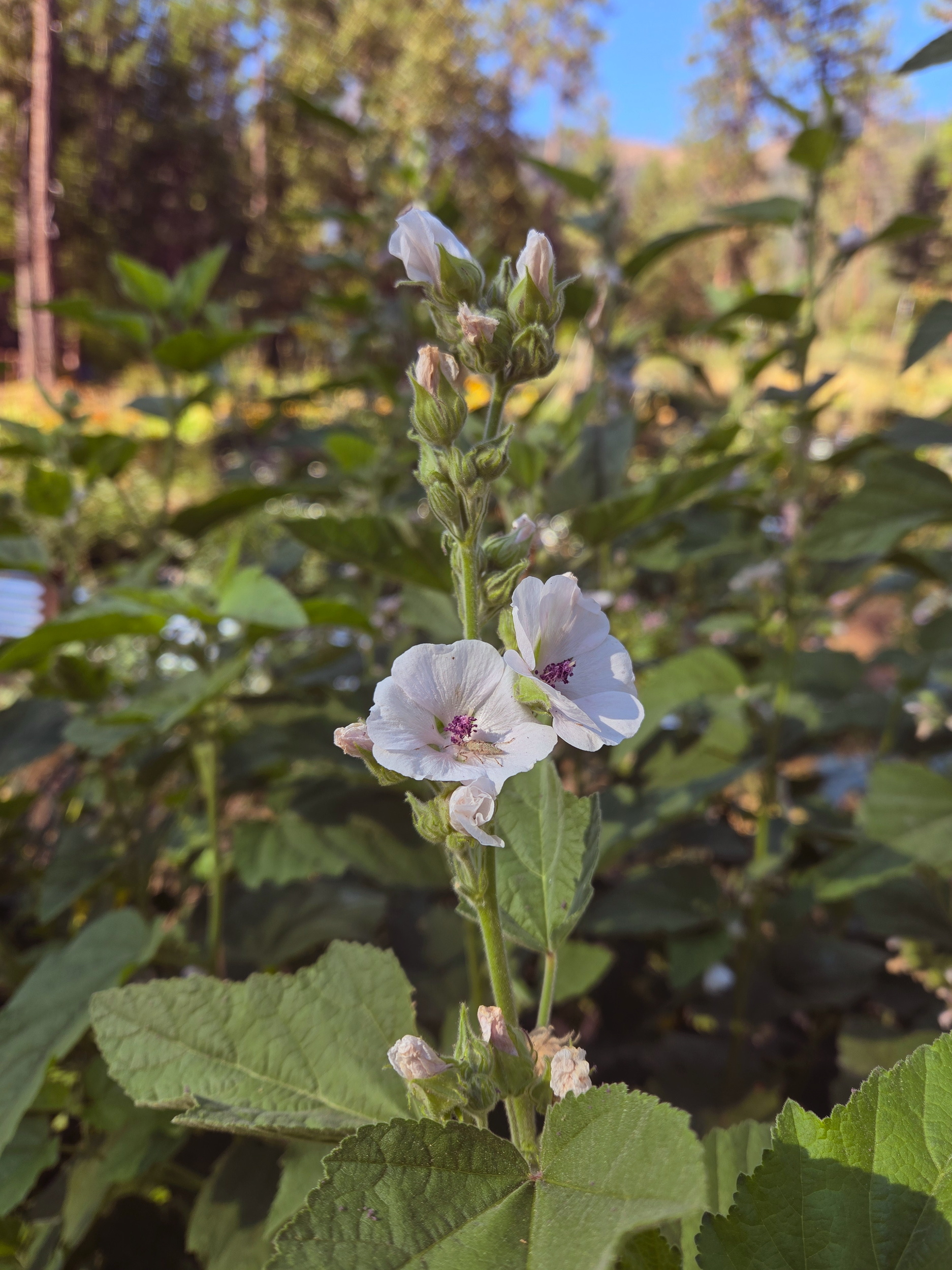
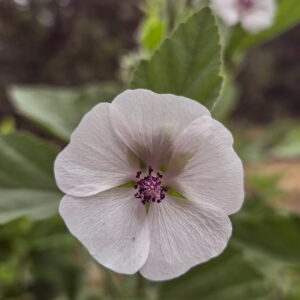
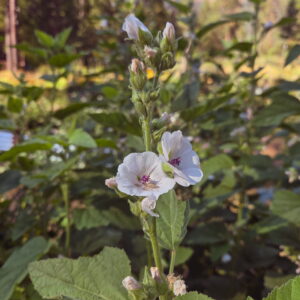
I absolutely love Marshmallow’s white petaled, pink veined, hibiscus-like flowers, with their dark pink-purple anthers and stigmas. It’s no surprise Marshmallow flowers look like hibiscus because they are in the same Malvaceae family, along with okra, hollyhock, linden, cotton and cacao.
All these plants share the quality of mucilage too. The slimy nature of mucilage offers medicine to us in the form of food. All parts of the Marshmallow plant including the roots, stems, leaves and seeds contain mucilage and are edible.
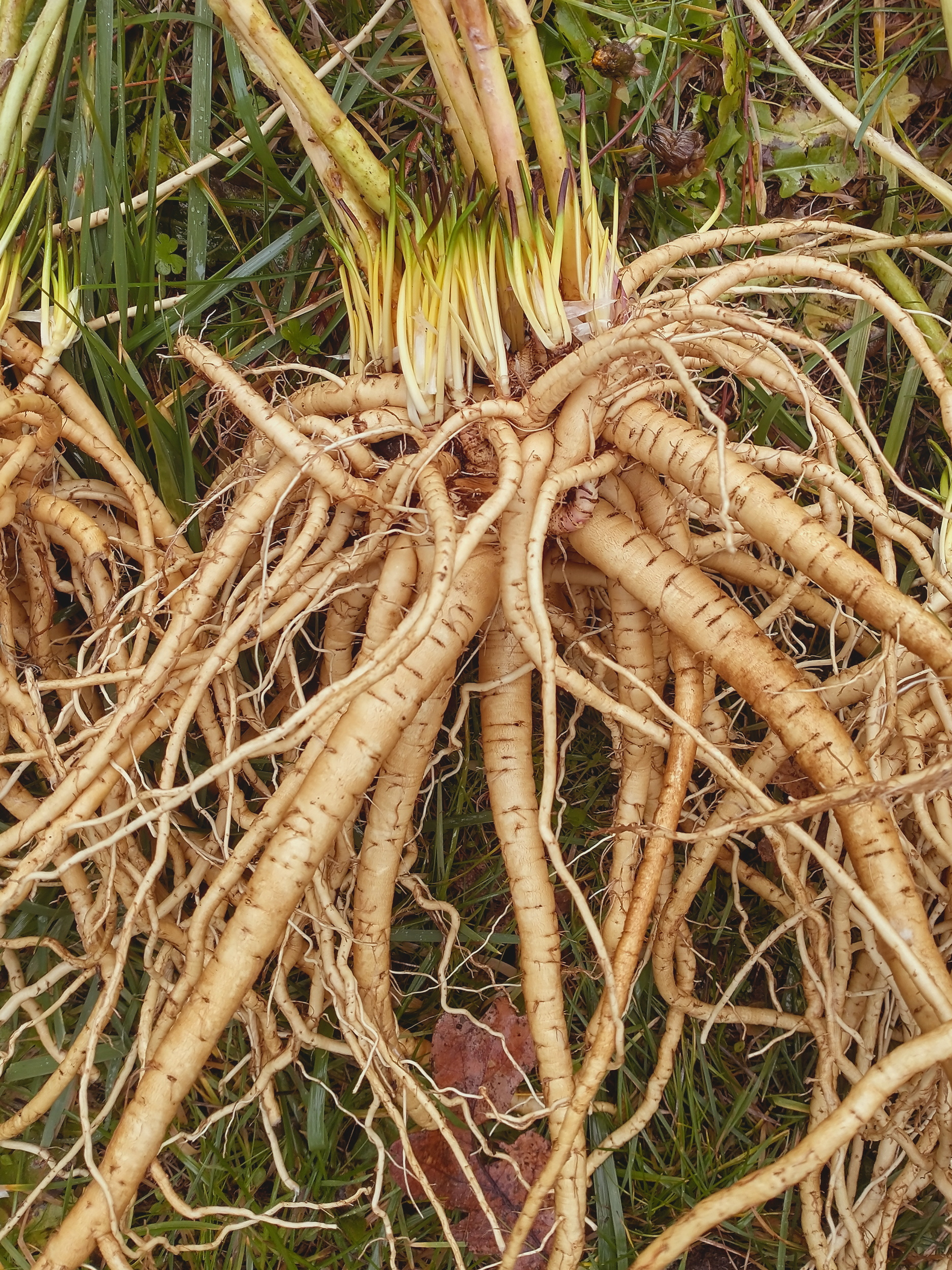
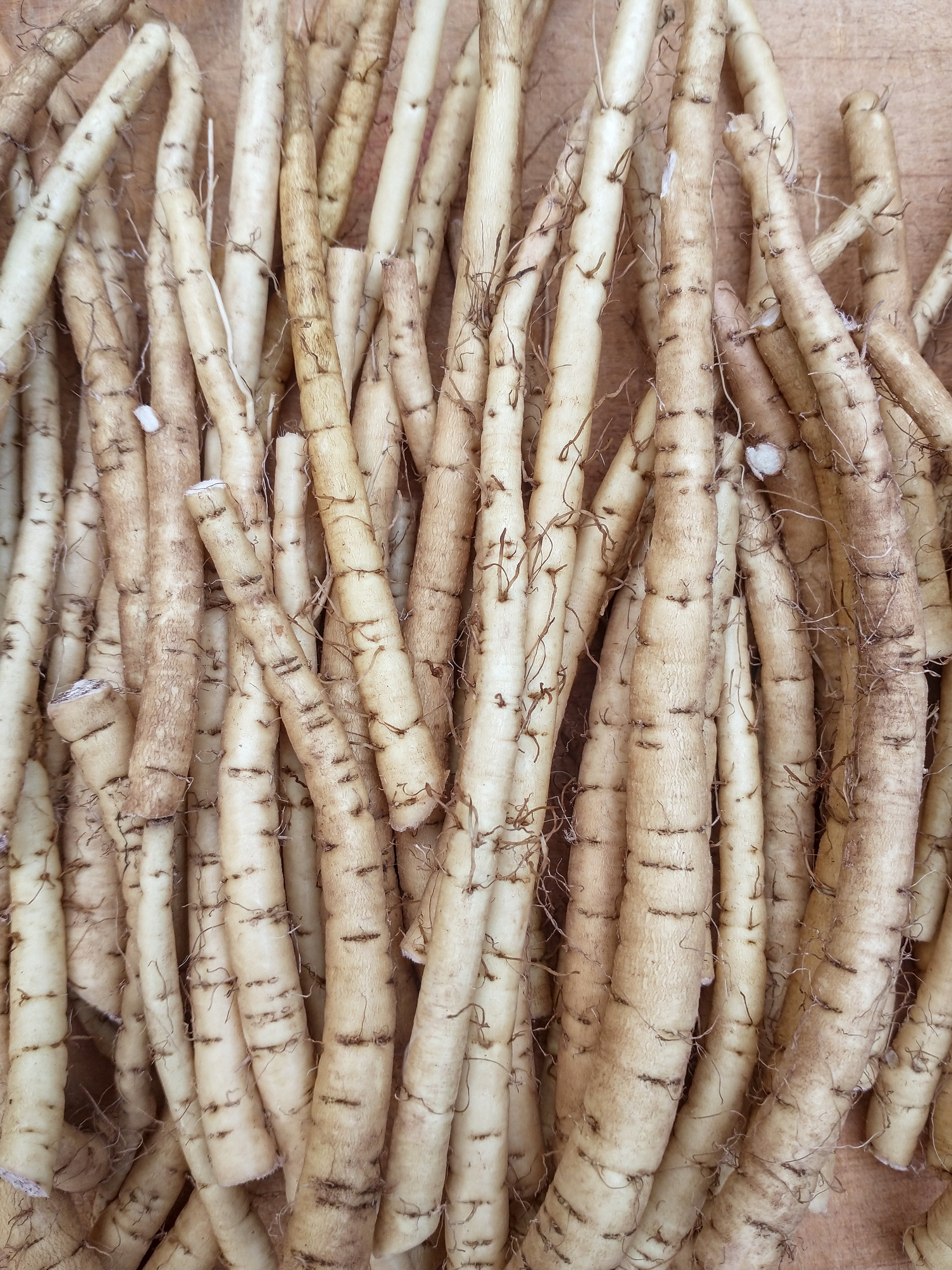
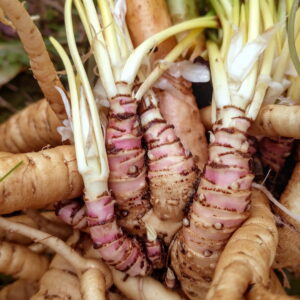
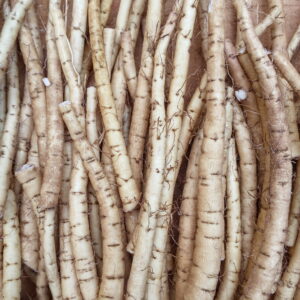
Marshmallow’s roots especially pack a lot of mucilage and are the most popular part of the plant to consume as food and medicine. Mucilage in general, aids with digestion, soothes the lining in the digestive tract, relieves inflammation, helps our body absorb minerals and retains water.
In addition, marshmallow’s vigorously growing roots excel at gathering minerals and storing them throughout the plant. Our family consumes both the leaves and roots on a regular basis as nourishing food.
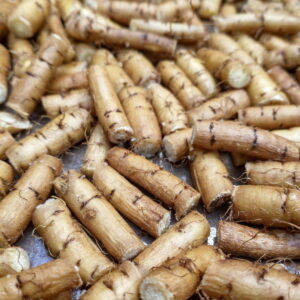
Our favorite way to consume marshmallow leaves and roots are as herbal infusions. We dry the roots and leaves and keep them stored separately for preparing and drinking as mineral rich infusions throughout the year. Usually we use boiling water to prepare infusions to extract minerals, but marshmallow roots can also be prepared as a cold infusion to extract mucilage. If you want the best of both worlds, you could prepare marshmallow root as a cold infusion to extract mucilage and then after straining, bring the roots to a boil, then cover and turn off the heat to extract more minerals.
Marshmallow root infusion is so cool and soothing on a long hot, dry day or when I am feeling dry from being inside in the winter when we are using the wood stove. After drinking some marshmallow root infusion, my throat and mouth instantly feel cooling, soothing relief, and I know the rest of my body will soon be benefiting too.
Marshmallow is so generous because, if we ask nicely, we can get two harvests from the same plant. In the fall, before the plant goes dormant I harvest the green vibrant leaves by clipping some of the leaf stalks. I’ll leave up to about half of the leaves and stems so the plant can continue photosynthesizing and continue drawing down energy into its roots for winter. Then I spread out the leaf stalks and pull of the leaves when they have fully dried.
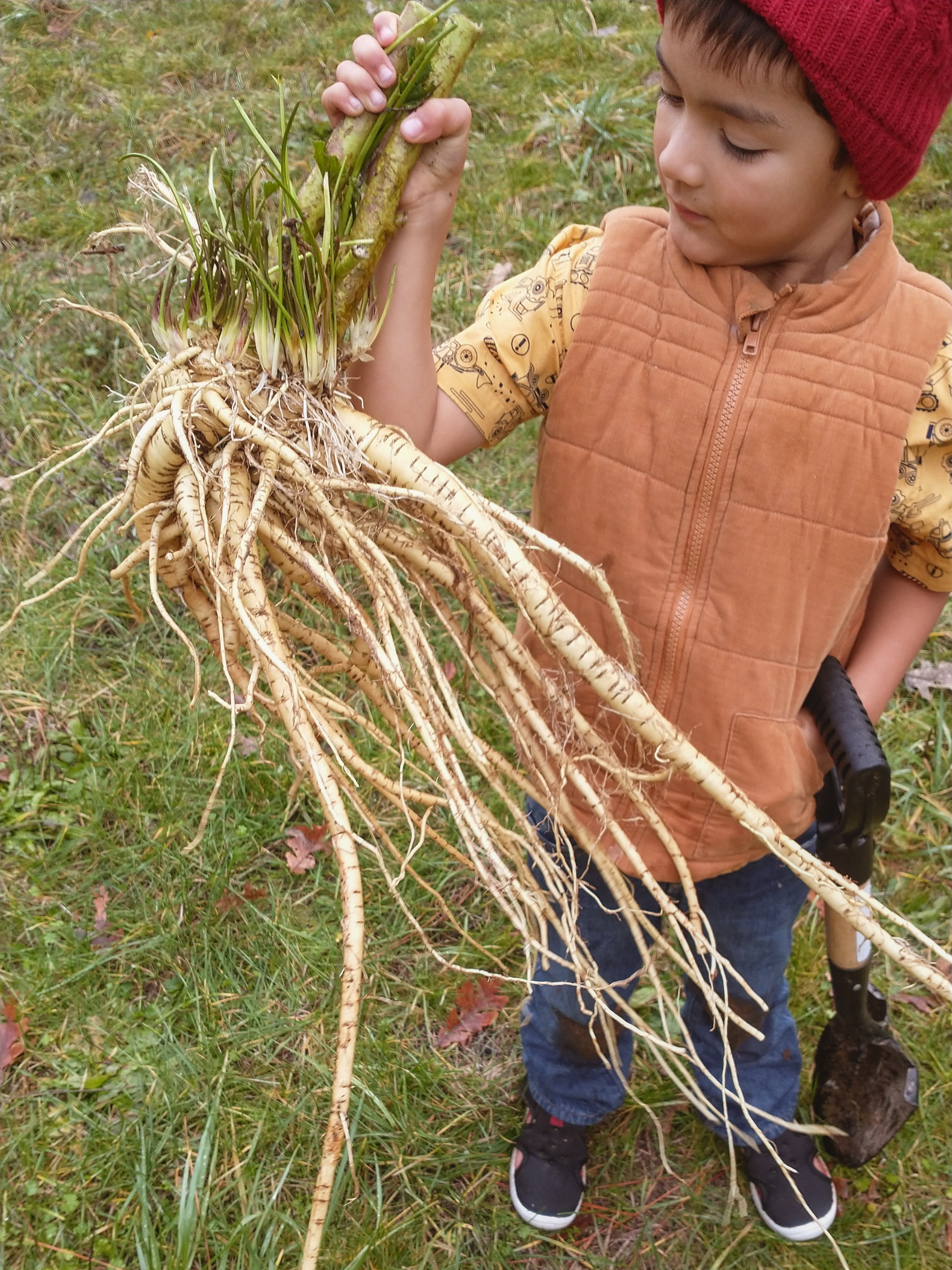
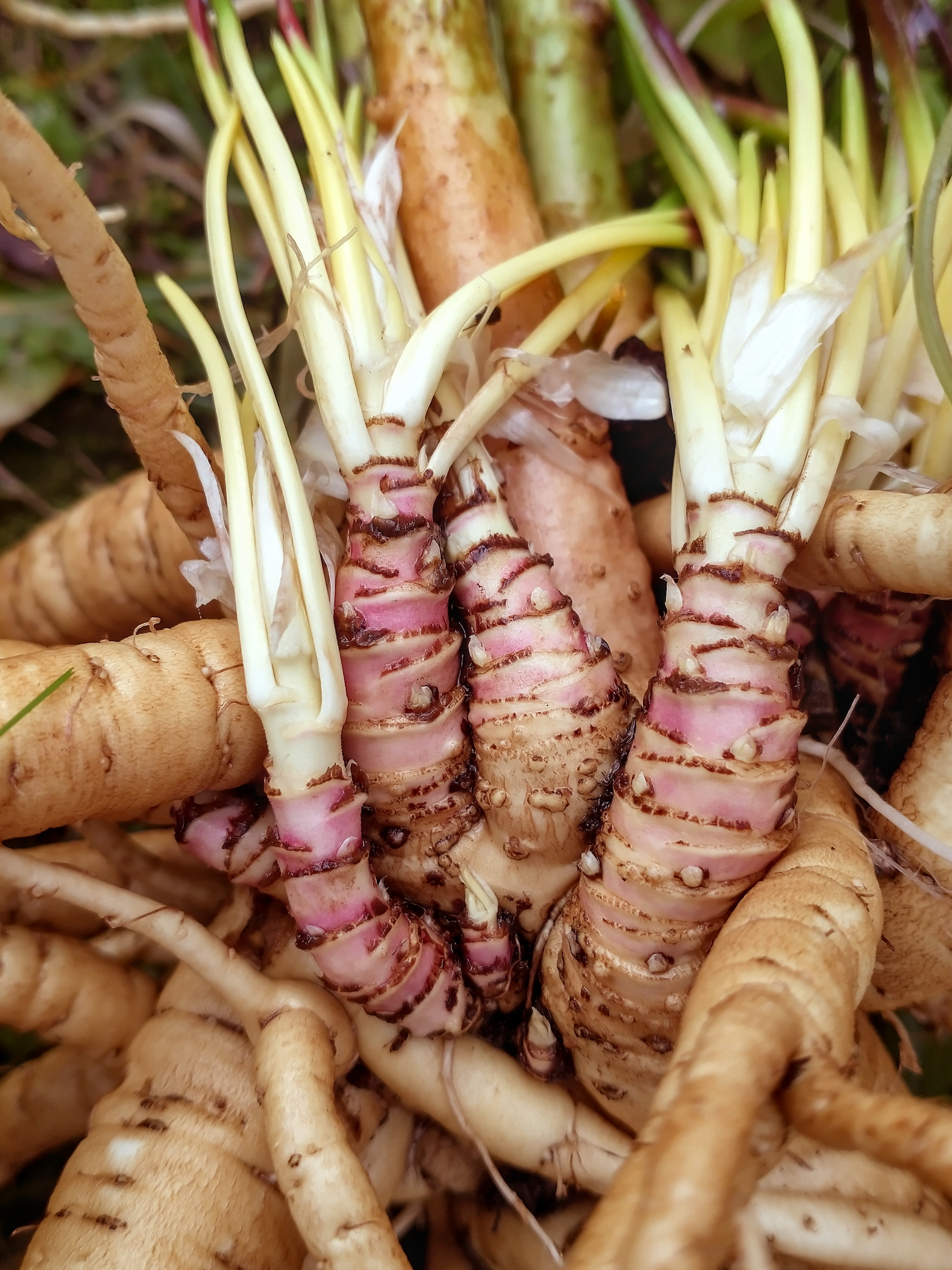
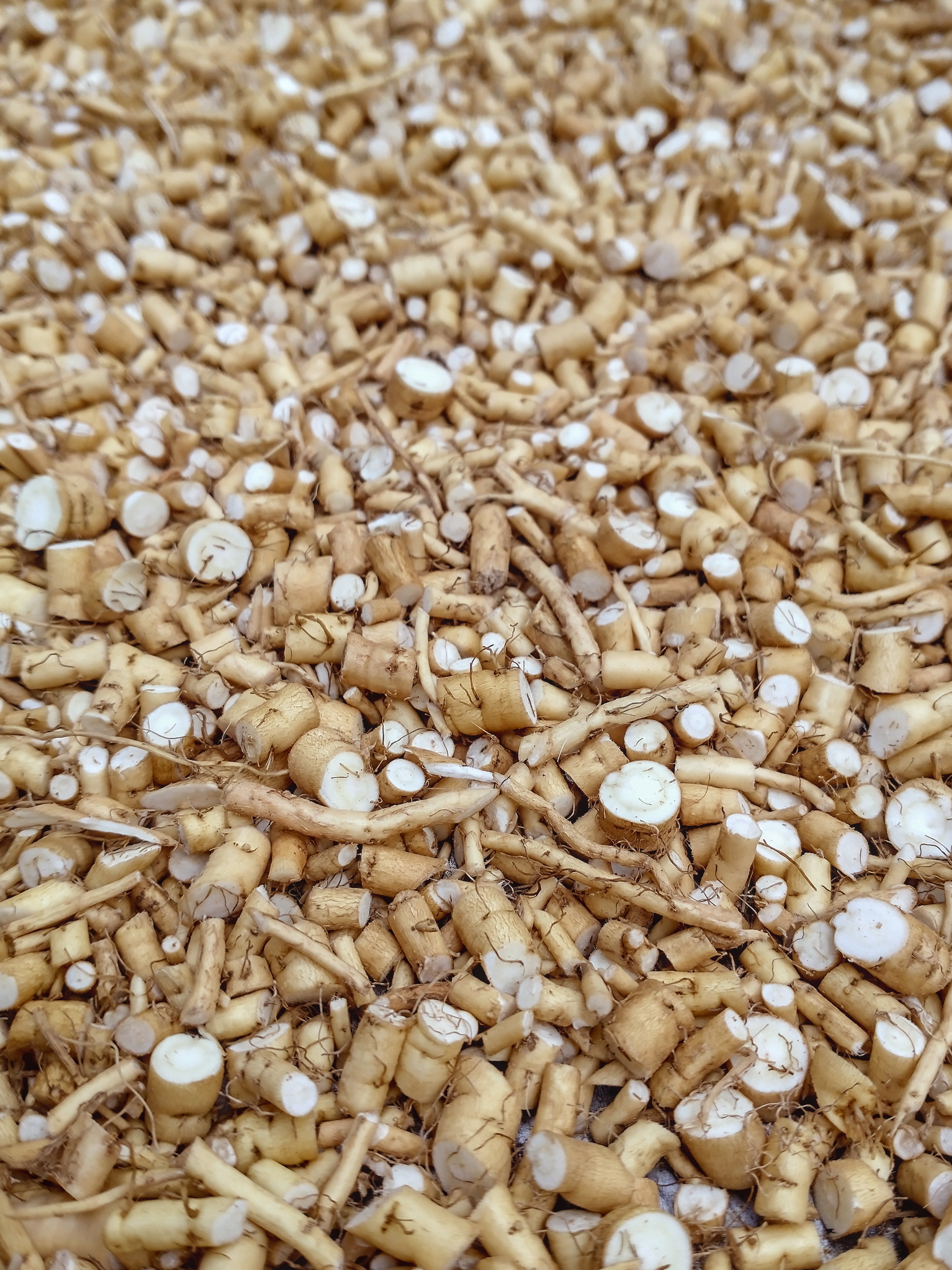
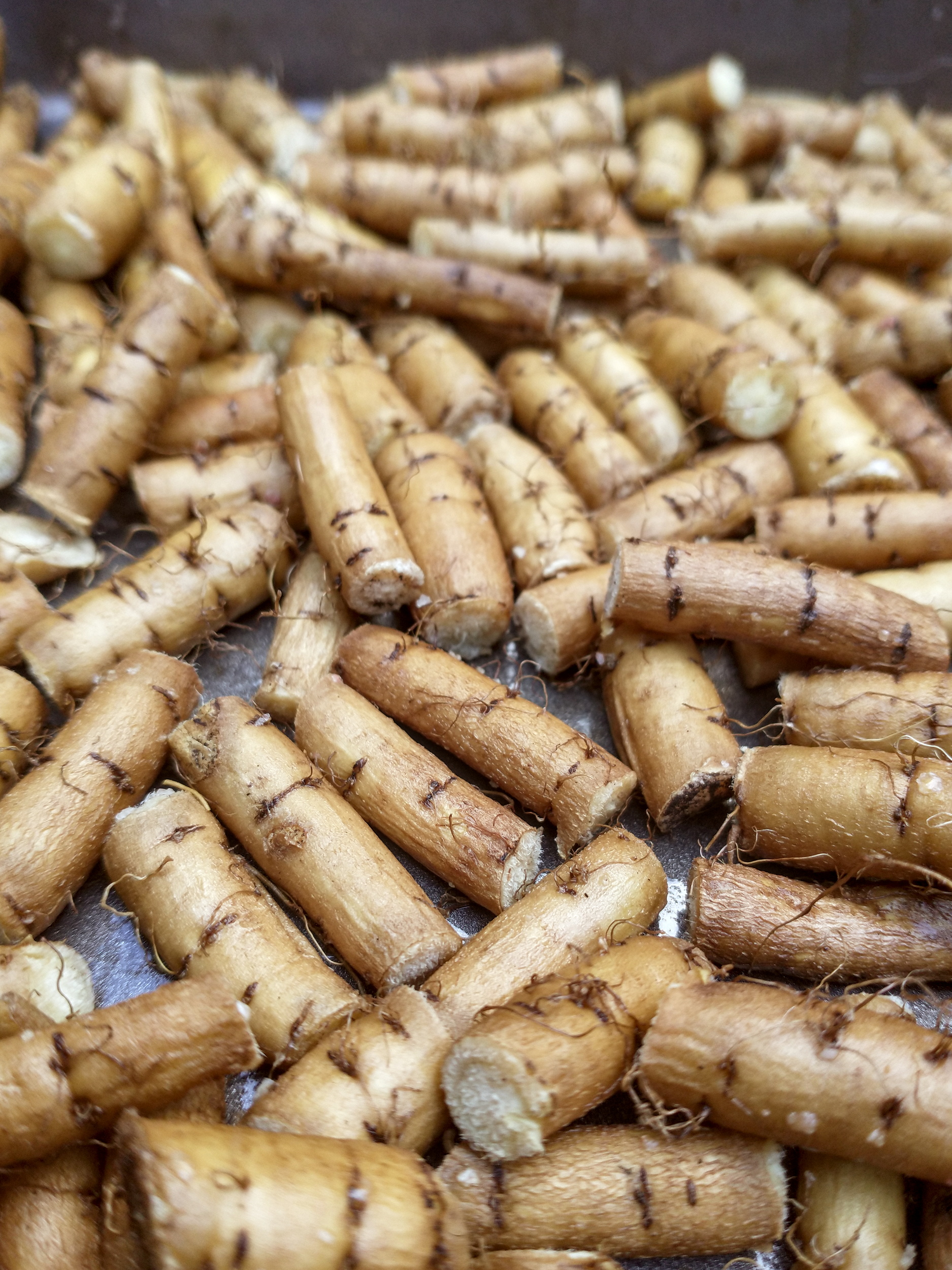
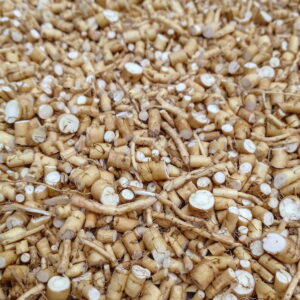
In the winter, after the plants have gone dormant I carefully dig up the massive roots, rinse them off and chop them into small pieces before spreading them out to dry.
Marshmallow roots are also delicious as fresh roots, chopped and cooked. Our family loves using chopped marshmallow roots, alongside other roots, in stews or soups where it adds more thickness.
We use dried and powdered marshmallow root in place of slippery elm powder that we can grow ourselves. Rolled with honey into pea sized balls, marshmallow balls make a great lozenge to help ease sore throats and sooth digestion and sore tummies.
Of course, marshmallow roots can also make a healthier homemade version of the fluffy pillowy confections that are known by kids and adults as “marshmallows”. Marshmallow treats are made with a small amount of dried marshmallow root powder and whipped egg whites. Ironically the marshmallows sold in stores today no longer contain any marshmallows, so if you grow and make your own marshmallow treats, you’ll be rekindling the tradition as food (and treats) as medicine. Share some with your friends and they’ll be surprised to learn that marshmallow got its name from a plant!
Marshmallow flowers and young green seed heads can both be added to salads. The green, immature seed heads (called cheese wheels for their shape) are fun to eat raw in the garden as they impart mucilage once chewed and mixed with saliva. They can also be cooked or pickled as a caper substitute.
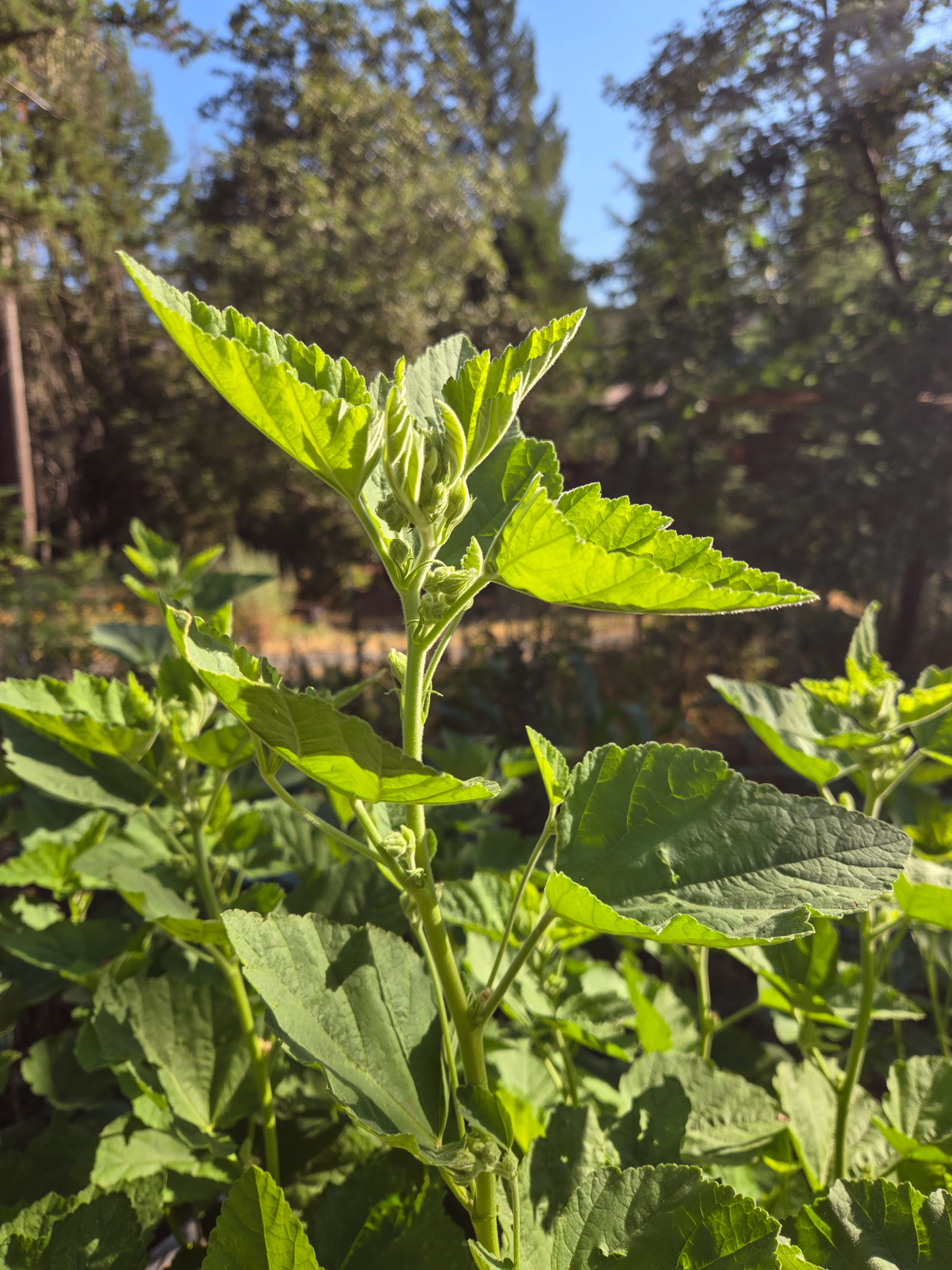
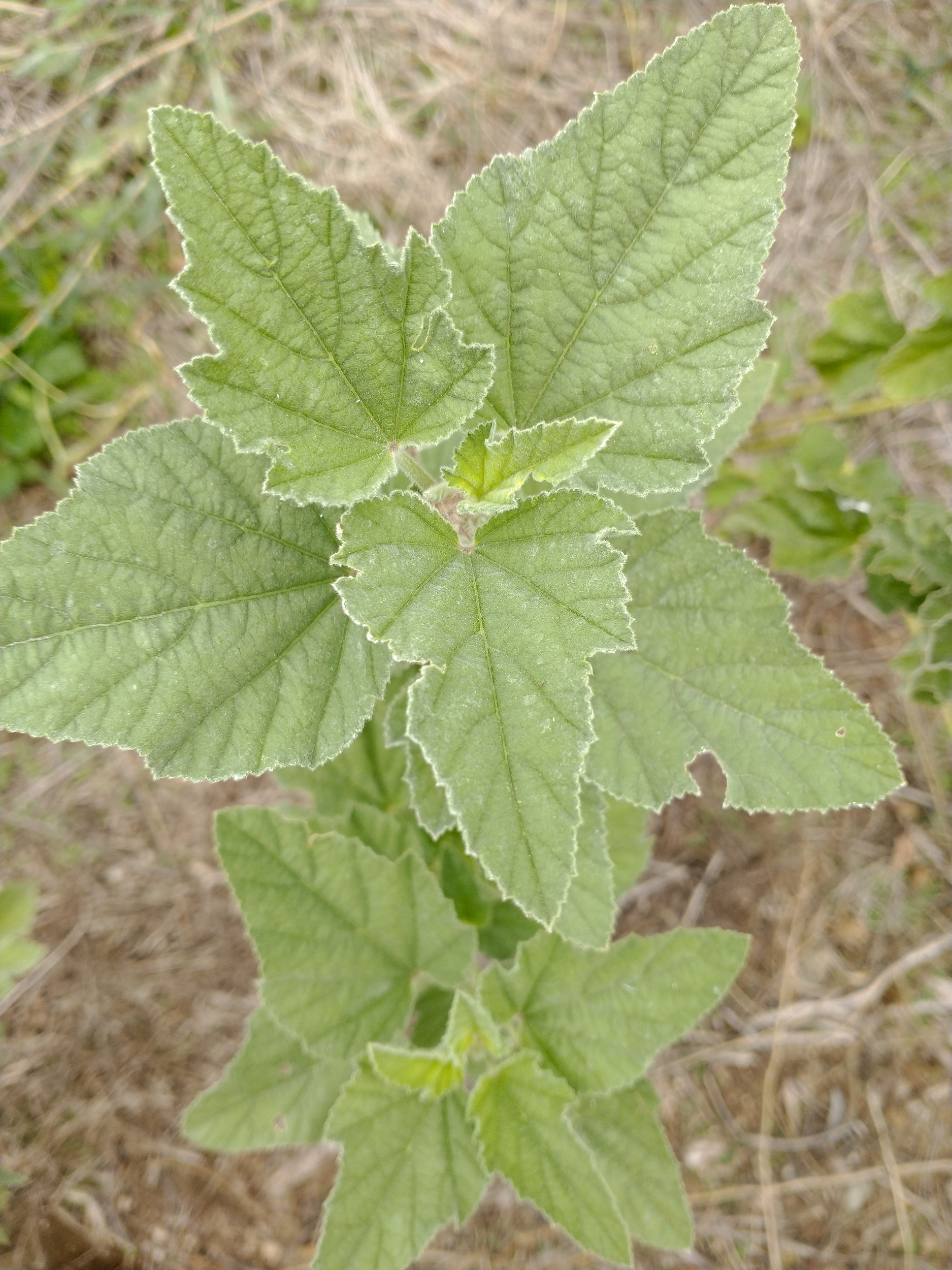
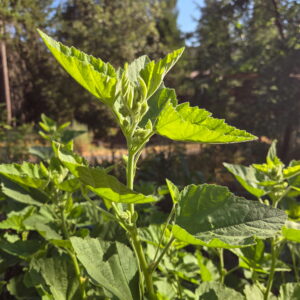
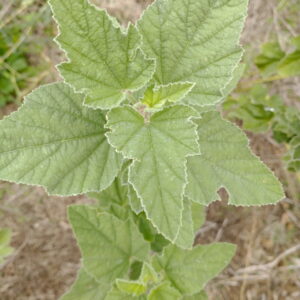
Marshmallow is one of my favorite garden companions because it brings me a lot of joy in the garden. All season long I enjoy petting Marshmallow’s soft leaves. Their fine hairs give Marshmallow leaves a velvety texture and feel so gentle and soothing to the touch.
When the flowers are blooming I enjoy seeing and hearing many bees, bumblebees and flies visiting the showy blossoms. I know they are getting a lot of nectar and their dance with the flowers relaxes me as I slow down and appreciate the buzzing.
If you decide to bring beautiful marshmallow into your garden, you won’t regret it!
Details
Lifecycle: Perennial
Lifespan: 5-10+ years
Hardiness zones: 3-7 (USDA)
Habitats: marshes, ditches and banks near the sea in Europe
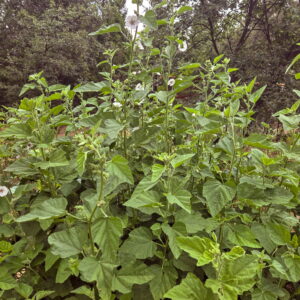
Plant size: 3 ft wide x 4 ft tall
Light: Full sun to part shade
Soil: all soil types
Water: regular moisture preferred, some drought tolerance
Seed Starting
Marshmallow seeds require 1+ month moist, cold stratification to break dormancy. Alternatively, scarify the seeds with sandpaper and sow in the early spring. Just barely cover seeds with soil and keep moist until they germinate. Divide seedlings when they are big enough to handle into their own pots, or plant directly in their final location.
Cultivation
While they can handle drought, marshmallow plants prefer moist soil and will make more roots and leaves with regular moisture and soil rich in organic matter.
Marshmallow grows multiple long flower stalks that may lean over and flop to the side. Don’t plant smaller plants that can’t hold their own right next to marshmallows or they may get shaded and covered by marshmallow leaves.
Marshmallow’s above ground stalks and leaves will die back in the winter. Prune those stalks back in late winter or early spring to make way for new growth.
Harvest
Harvest marshmallow leaves summer through fall while they are green and vibrant.
Harvest marshmallow roots in the fall before the ground freezes, or else harvest roots in the winter when the plant is dormant. The roots can get quite large and they snap easily, so dig gently.
As a perennial, you can cut off roots and then re-plant the crown to grow more roots the following season.
Propagation
As clumping perennials, marshmallow crowns can be divided into many new plants. In the fall, winter or early spring before growth fully resumed, dig up the plant and slice the crown into sections. Plant each crown section to become its own plant.
Seed Saving
In the fall, look for seedheads that are ready. After a flower’s petals has dried up, watch for the calyxs to turn green to brown. Once the calyxs (outer wrapping around seed head) are brown, the seeds are ready. Pluck seed heads off into your bowl or container. Then open the seed head to find a disc of brown seeds inside. They should release easily.


Good seeds planted them and check today and some are already coming up. Thanks!
I’m glad to hear you are getting good germination with your Marshmallow seeds. Enjoy!