



Description
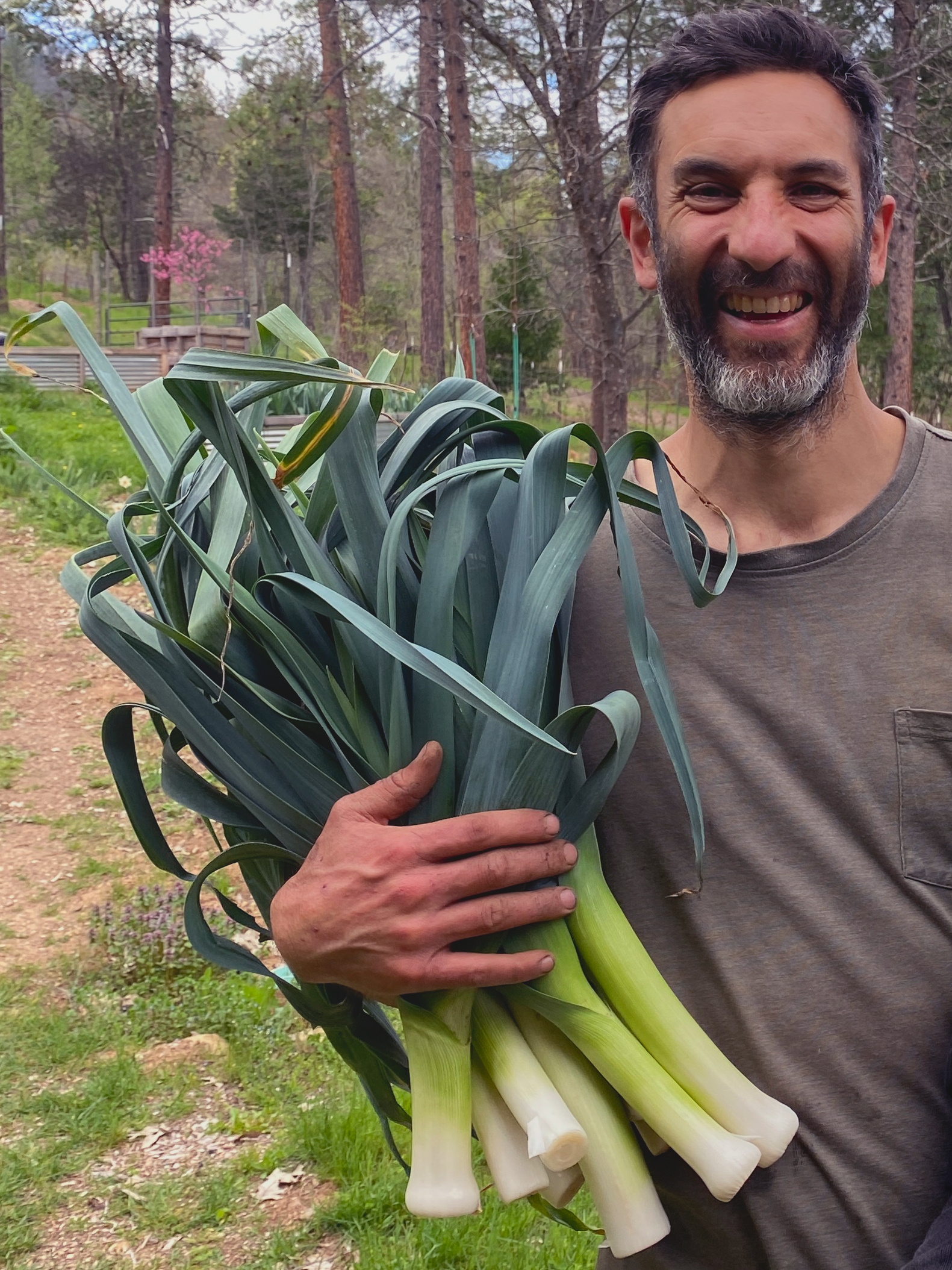
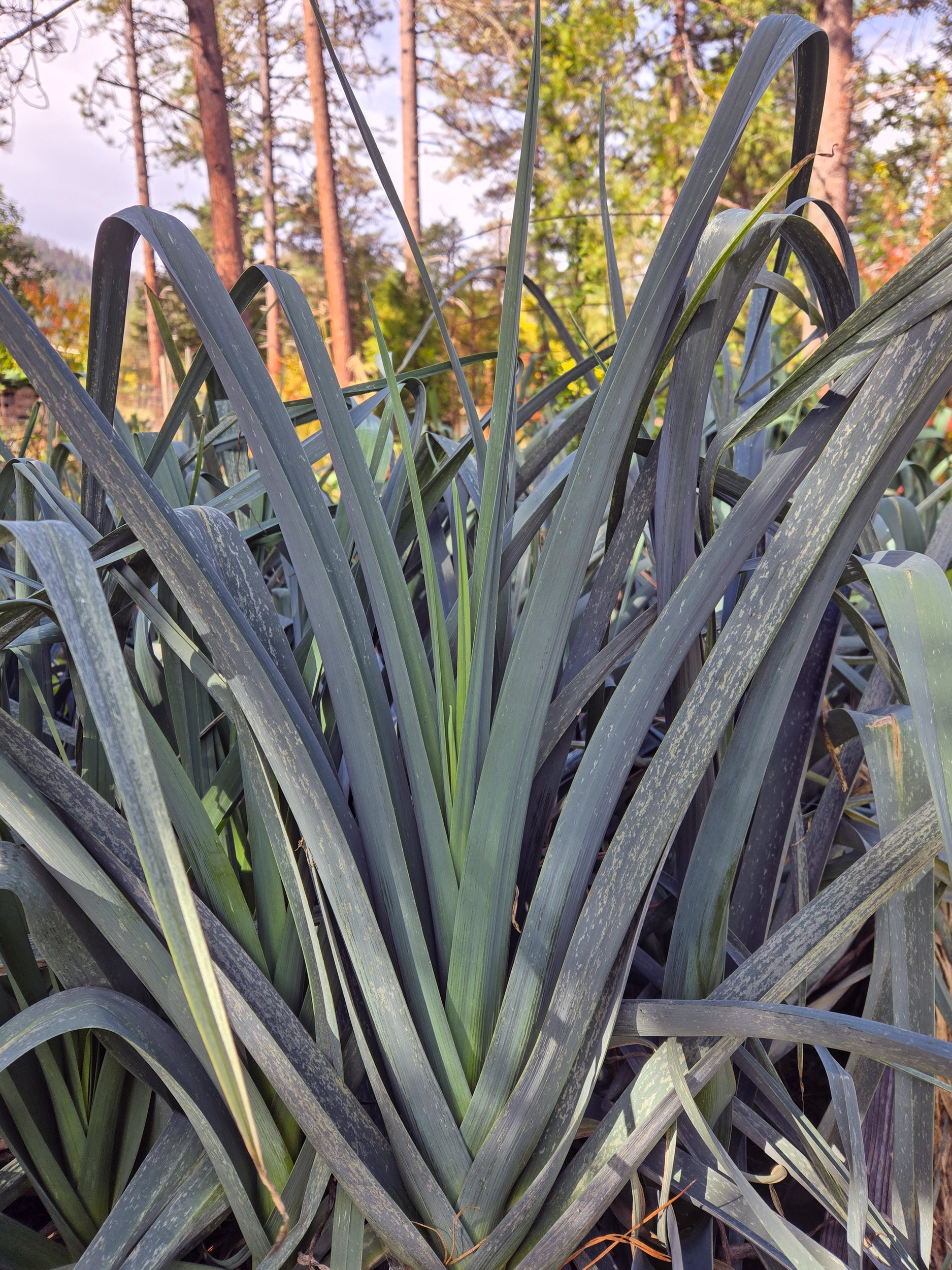
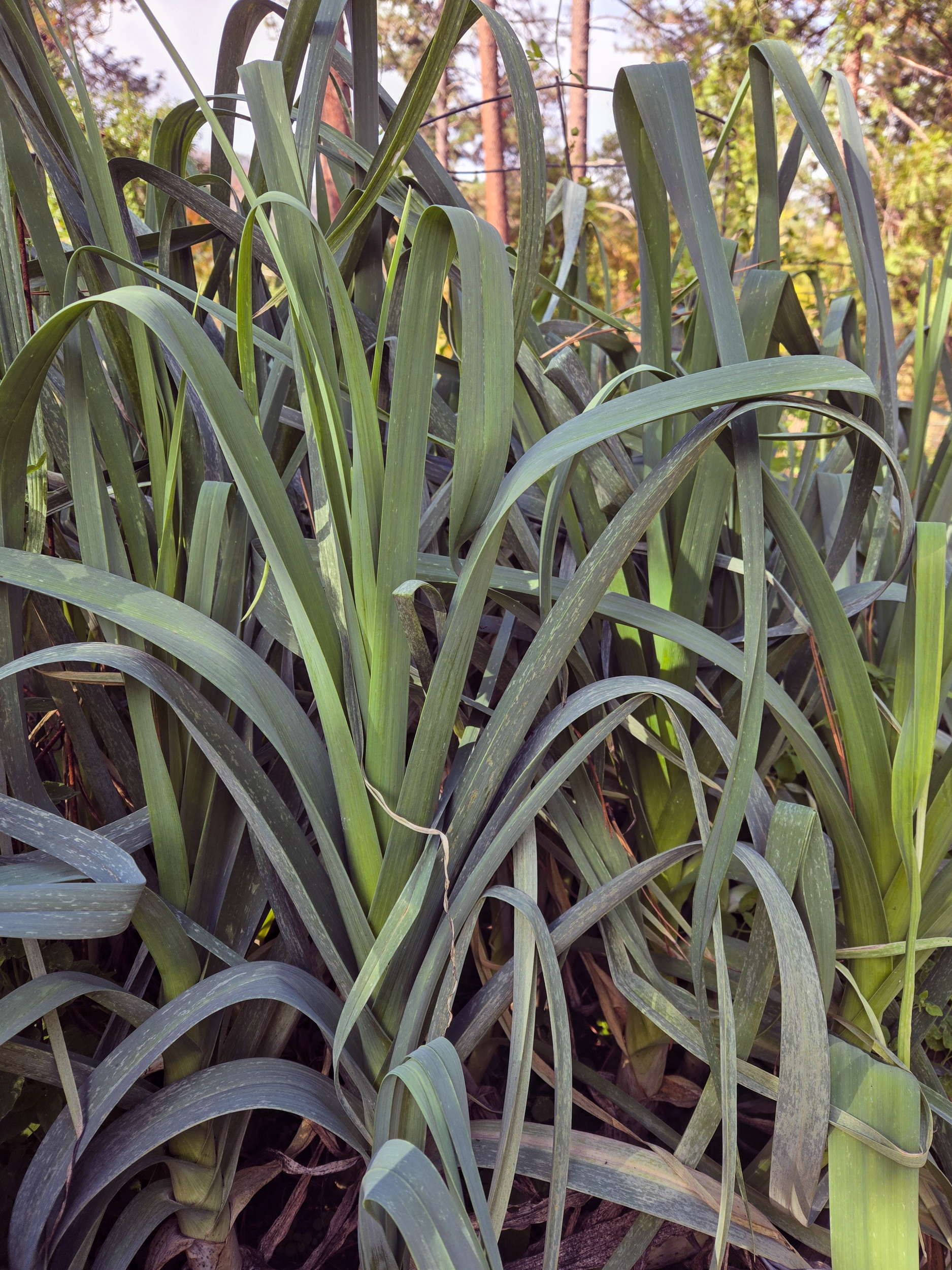
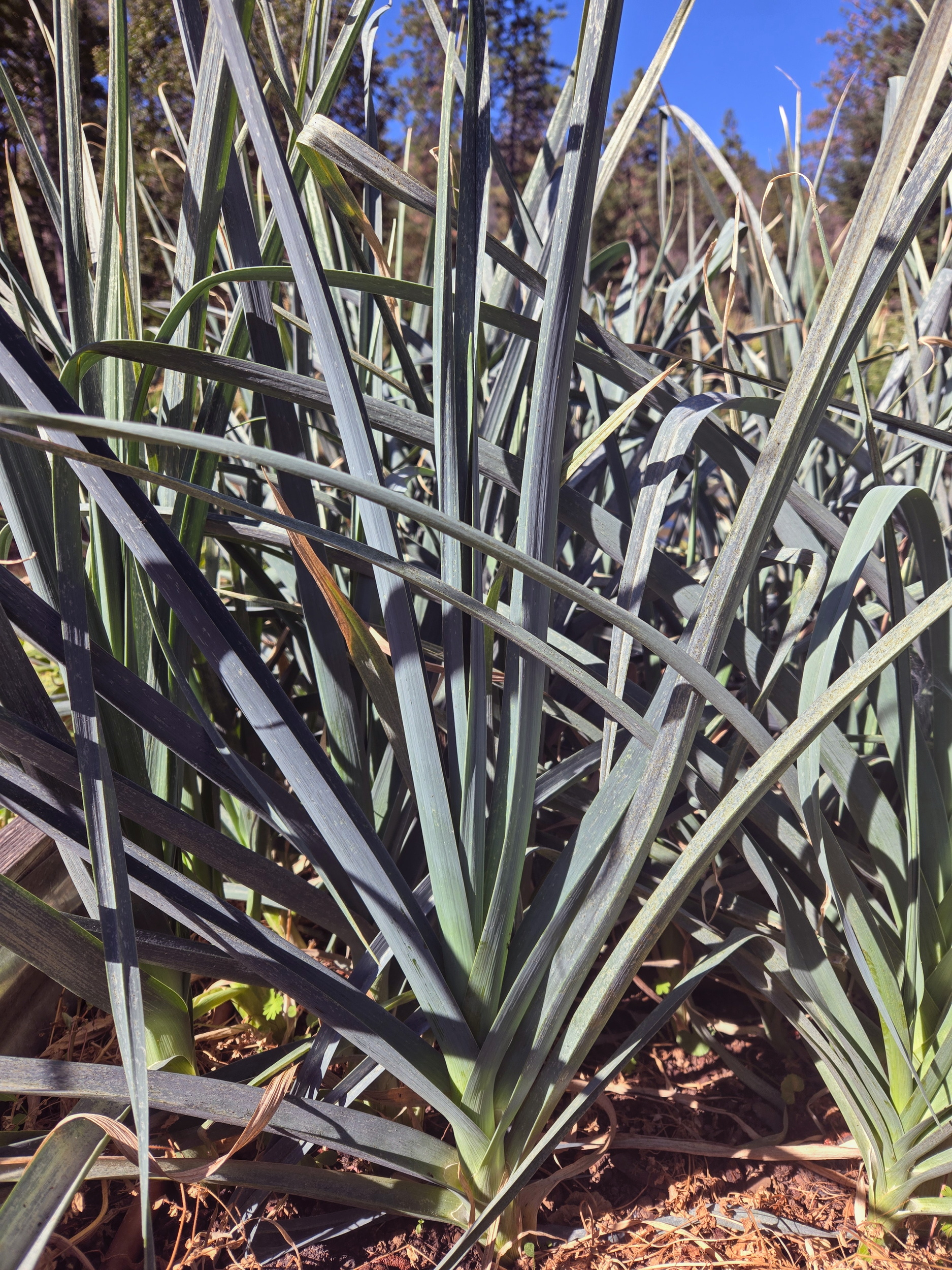
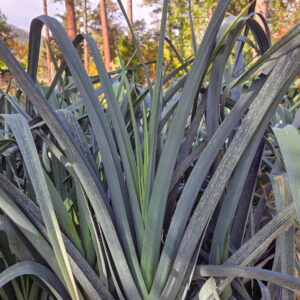
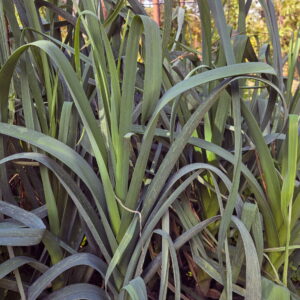
Leeks are a fantastic addition to the home food garden! We’ve mixed a lot of genetic diversity into this variety. Many, many varieties were grown together and the best of the best were allowed to flower and set seed. “Take a Leek Mix” is aptly named because you can grow these leeks from seed and then take a leek from the mix into the kitchen when you are hungry!
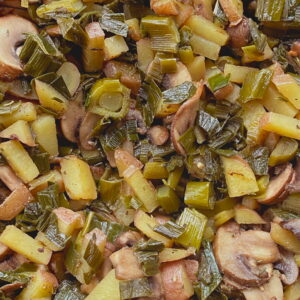
Our family is enjoying eating leeks year round in many forms. Perhaps our favorite way to consume leeks is blended in potato leek soup with a broth of choice. Another alternative is jeursalem artichoke and leek soup. The only other ingredients we add is some oil or fat, salt and perhaps garlic. It’s so simple and yet so delicious!
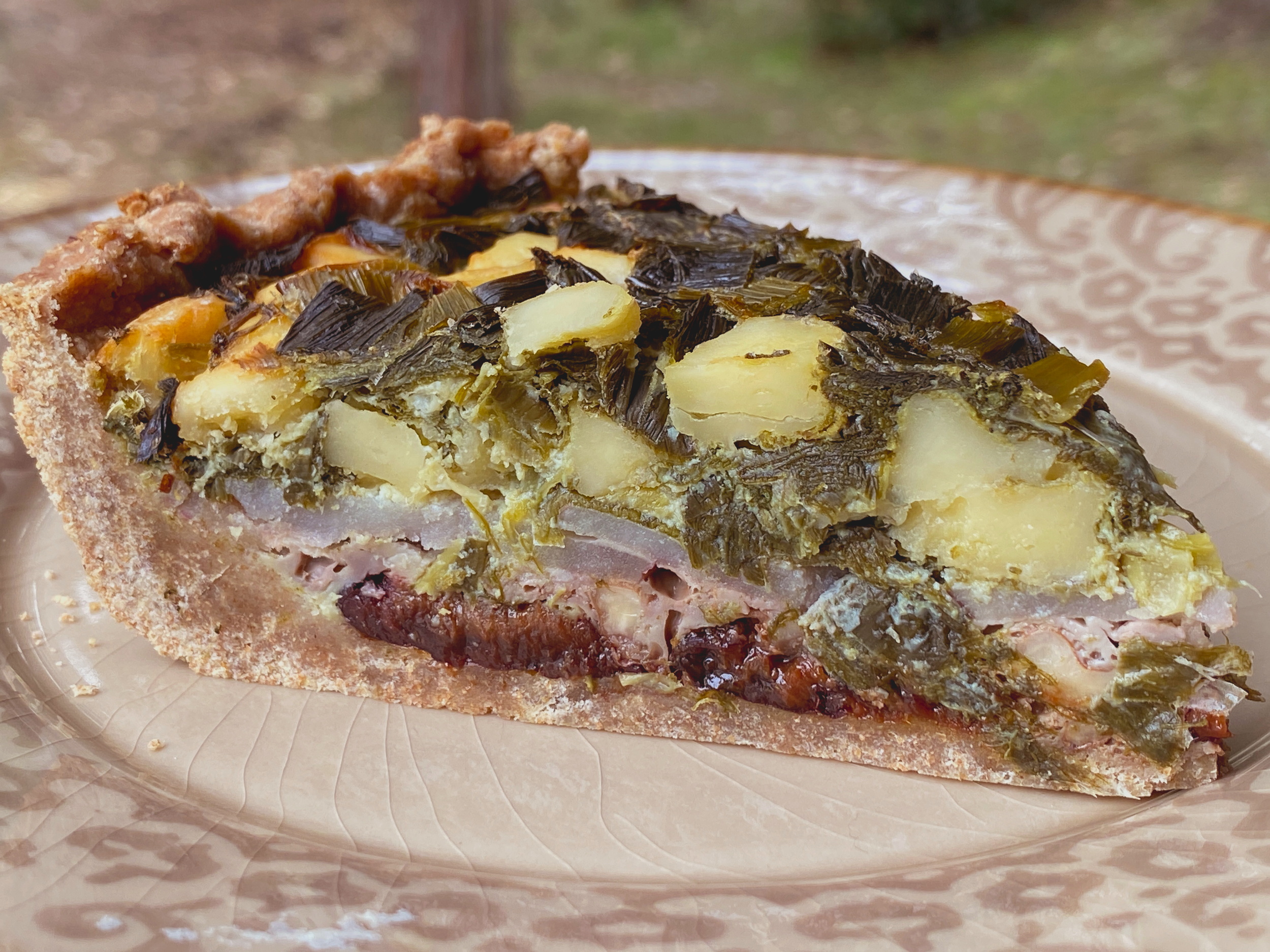
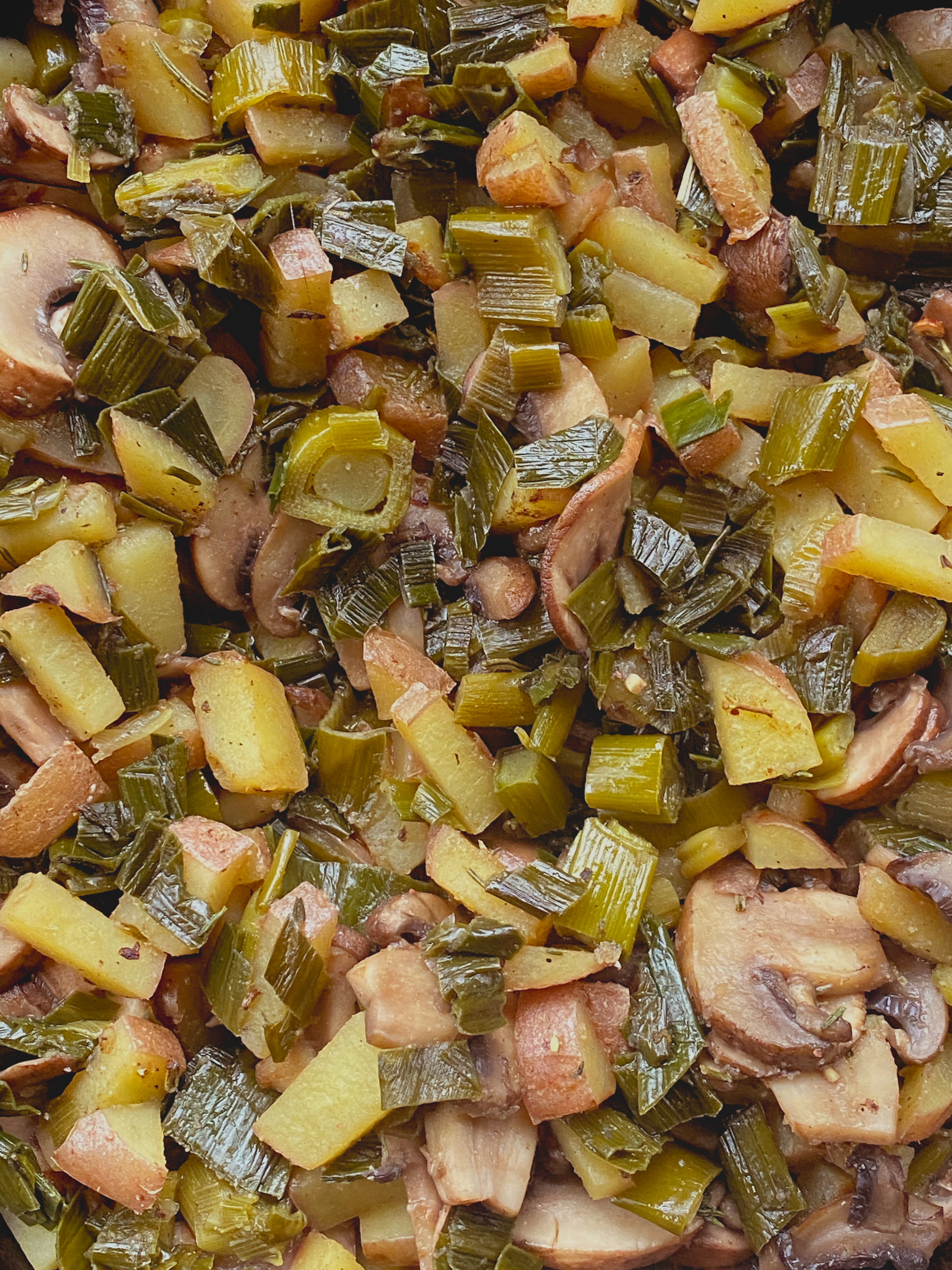
We cook leeks many other ways too, including in omelettes, quiches, stir fries, stews, soups and much, much more. While leeks have a somewhat distinct flavor, they can pretty much be used in place of onions in just about any recipe. Recently, we’ve been scheming about cooking a french leek soup (instead of french onion)!
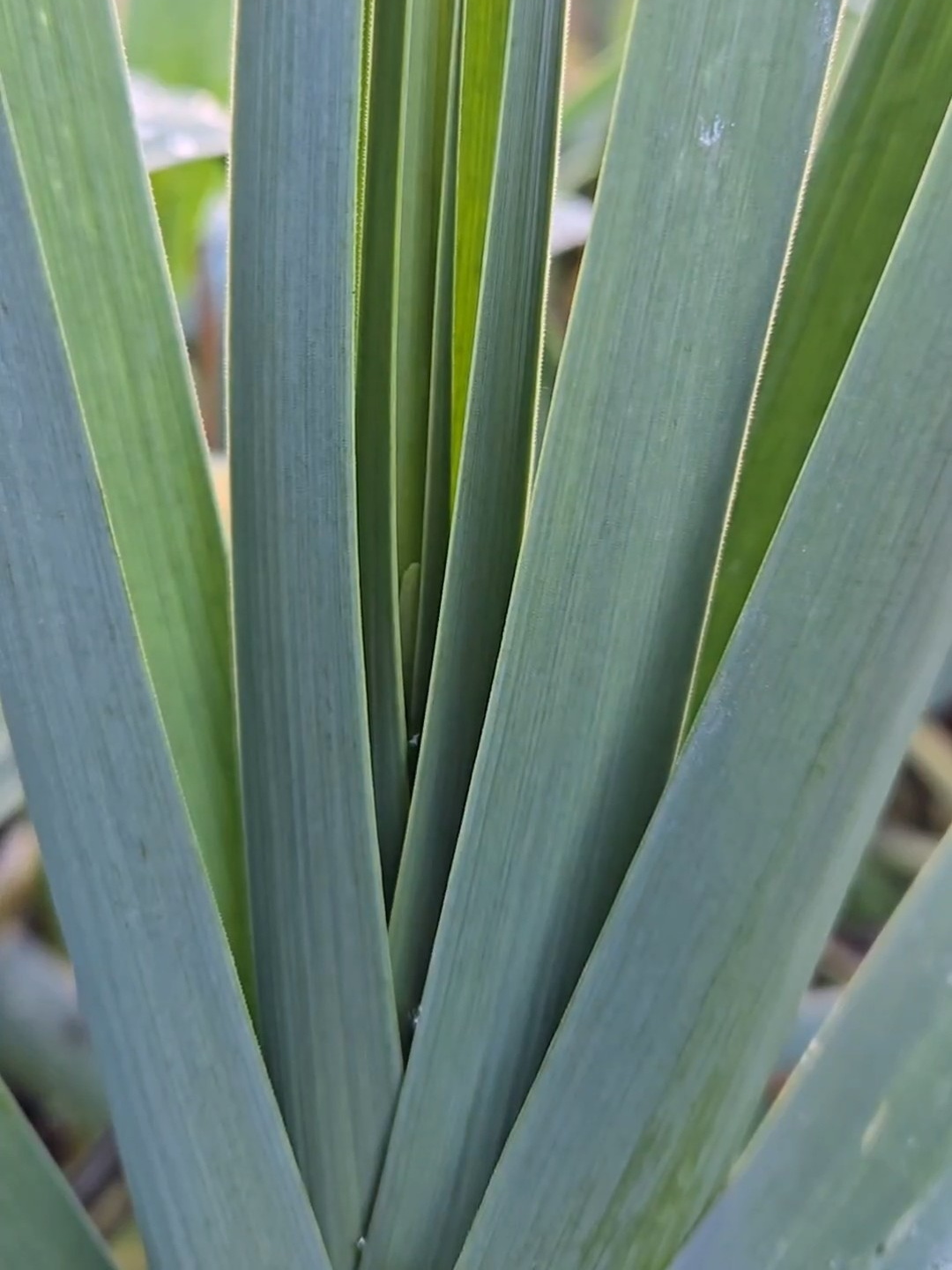
Leek greens, or leaves, are almost their own vegetable. Many folks only cook the whiter leek stem and discard the leaves. But the leaves are so nutritious and tasty! We just chop them up (finely or roughly) and cook them with the rest of the leek.
But if you’re feeling skeptical, try making a broth from the leek greens. Leek broth is sweet, rich, savory and sooo delicious! It’s a wonderful base to just about any soup you’d want to make that calls for broth.
We’ve also become addicted to dried and powdered leek greens. Leek green powder is a bit sweet and savory at the same time. It has umami! It reminds us of a green nutritional yeast and tastes amazing on popcorn. Our young son loves it too and we sprinkle it all over just about any kind of meal that we want a little more flavor. It’s a great way to get more minerals in our diet regularly.
Leek stalks can also be dried. When we have an excess of leek stalks we have chopped them small and dried them. We store dried leeks in jars to add to soups and stews. After cooking for a long time, the dried leeks are softened and well incorporated.
A smaller percentage of plants in the Take a Leek Mix have perennial traits, meaning they will re-sprout new leek plants from the base after flowering or after harvesting (if you leave the roots intact). I am favoring the perennial trait, as my goal is to continue shifting this variety to be more perennial each season.
Other traits I am selecting for in this mix include beauty, vigor, disease resistance, cold hardiness, heat tolerance and strong root systems.
This is the first year saving seeds from this leek mix and we’ll continue to add more genetics and refine selections over time. I expect this leek mix will change and adapt to our conditions and selections with each passing year, but I also plan to maintain a high level of genetic diversity over time so that the leeks will have their best chance to adapt to your garden’s conditions as well. Varieties that have contributed to this mix include: Delft, Shades of Belgian Blue, Northwoods Perennial and the Going to Seed Leeks Mix.
If this sounds exciting to you, join us in growing this diverse leek mix with us and “Take a Leek”, whether you take a leek into the kitchen when you are hungry, or take a leek for saving seeds from the best of the best!
I’ve really enjoyed growing and selecting these leeks for seed and I’m honored and excited to share these seeds with you.
Details
Lifecycle: Biennial or Perennial
Lifespan: 2+ years
Hardiness zones: 5-9 (USDA)
Habitats: Not known in the wild
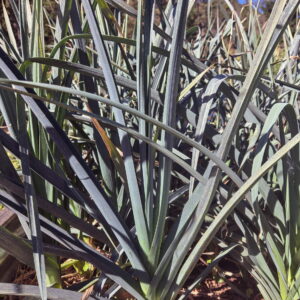
Plant size: 2 ft wide x 3 ft tall
Light: Full sun to part shade
Soil: All soil types, well draining
Water: Regular moisture preferred
Seed Starting
Leek seeds are best started indoors, in a coldframe or a greenhouse in late winter when the temperatures are still cold. Leek seedlings take quite a while to get up to size for transplanting so an earlier start is better.
Sprinkle leek seeds in a flat or pot relatively close together and then cover with 1/8″ – 1/4″ soil. The close spacing will help the leeks grow taller for easier transplanting
Once they are large enough to transplant (4+ inches tall, but bigger is better), divide and plant the leeks into a well prepared bed 8-18″ apart.
I tend to plant my leeks quite closely (4-6″ apart) and thin the slower growing or least healthy looking leeks to the kitchen as early leeks for cooking, when they start to crowd each other.
Cultivation
Mulch the leeks by the the time summer starts to heat up and when the leeks are large enough to handle so me mulching.
Leeks will do best in soil with lots of organic matter and regular moisture. Regular weeding when they are young and small will help your leeks have the best chance at getting up to size when they are young and slower growing.
Leeks also benefit from rotation, to discourage the buildup of diseases and fungus that can harm leeks. Don’t plant leeks or other Alliums in the same soil two years in a row, ideally with more time between. Plant other crops in your rotation. Consider legumes and or cover crops as one rotation.
Harvest
Leeks can be harvested anytime of year. We harvest young leeks as we thin for ideal spacing. Then we harvest larger full sized leeks fall through late winter.
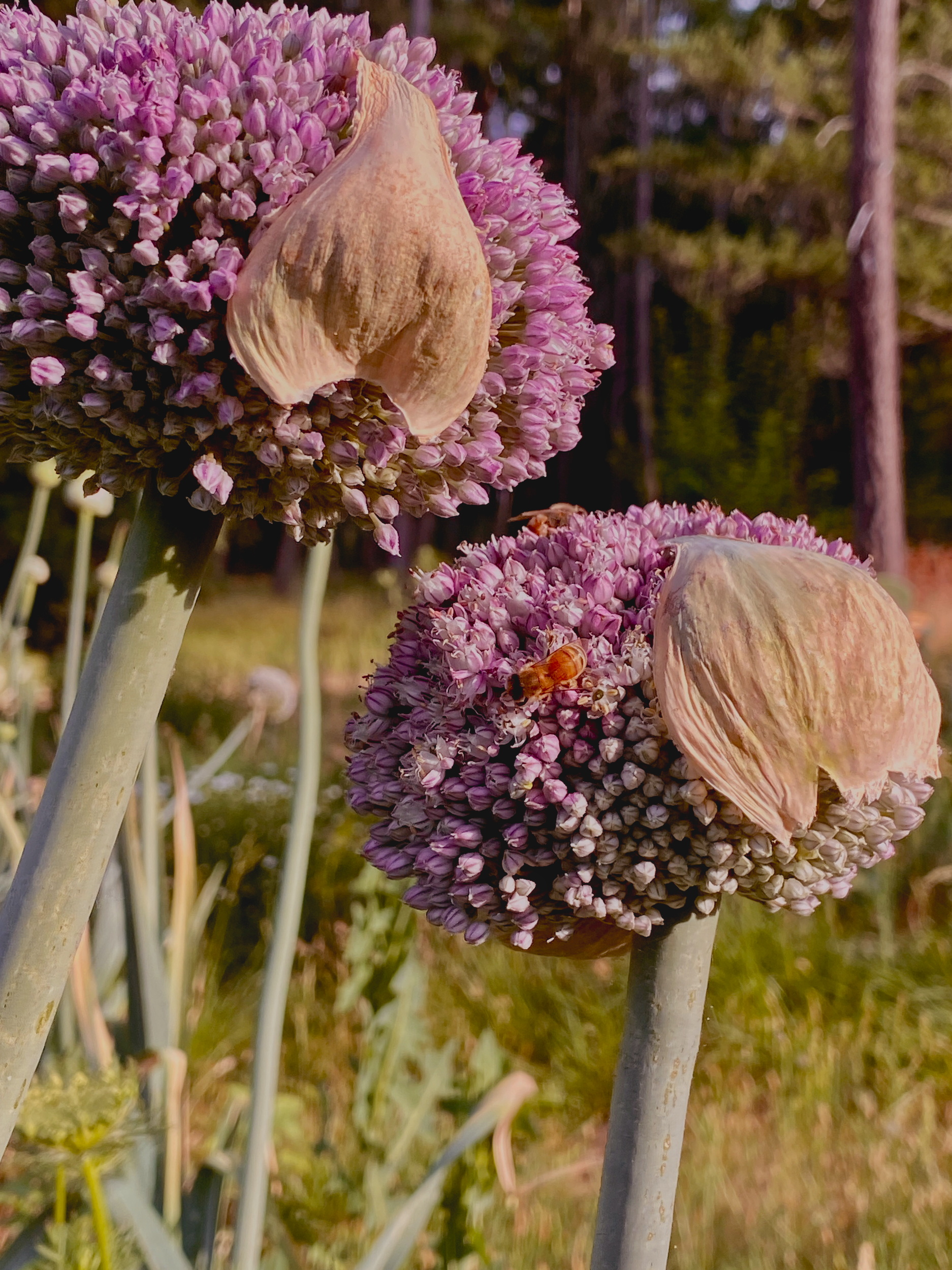
If you live in a climate where leeks can overwinter, you’ll want to harvest them for food before they make flowers, as that will cause the central core of the leek stalk to get woody and unpalatable. If you start seeing some of your leeks elongate (vertical spacing between the leaves lengthening) followed by the appearance of a small closed “scape” or unopened flower head, make your final harvests before it’s too late!
Propagation
A lot of the leeks in this mix have a biennial habit and die after flowering, however some percent of these leeks have a perennial habit. If you see leeks growing back after flowering or after cutting at the base to harvest, then you have a perennial leek. Perennial leeks can be divided fall through spring to increase your population of leeks.
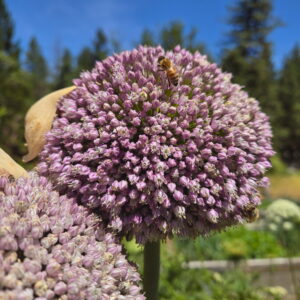
Seed Saving
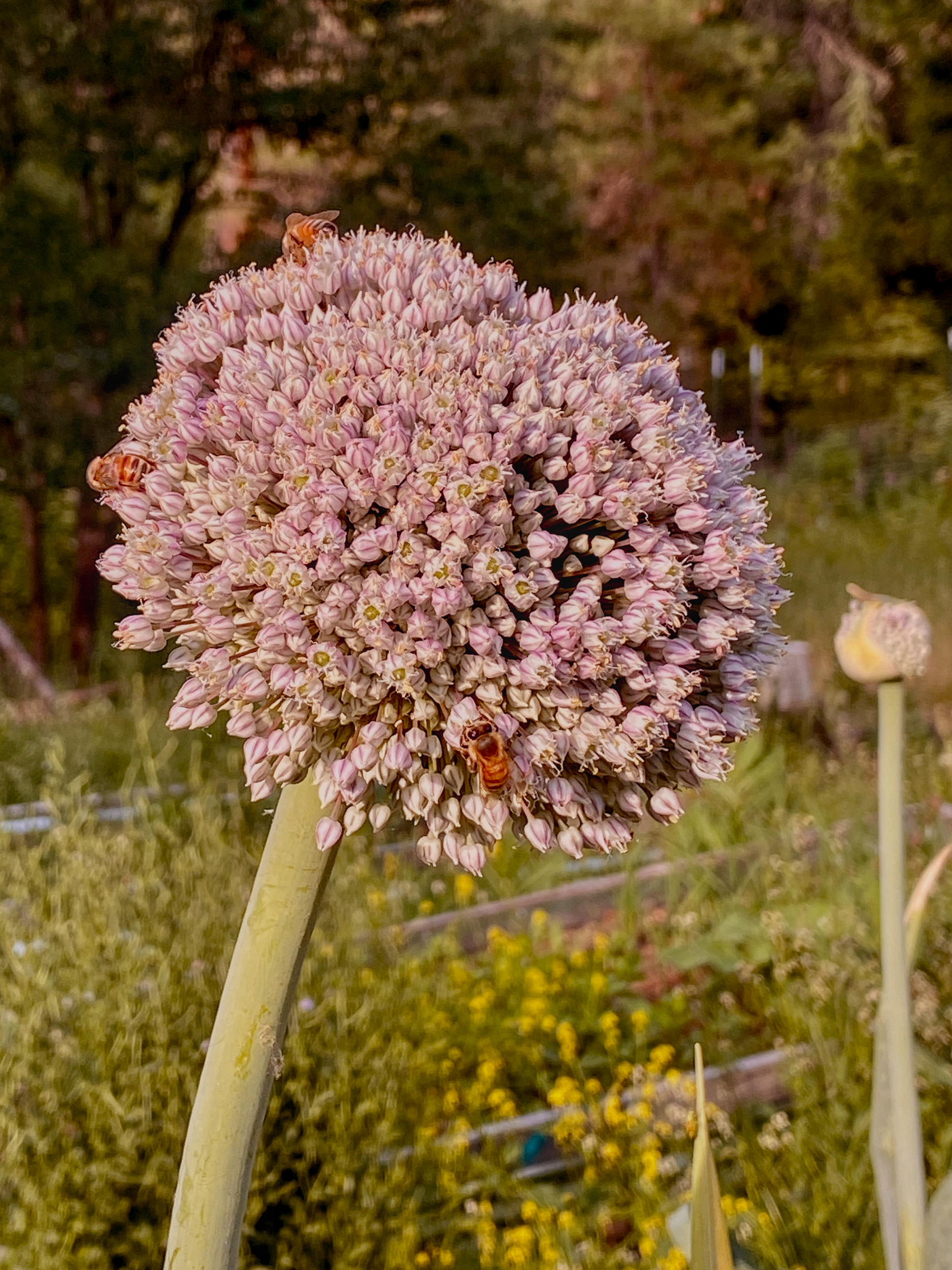
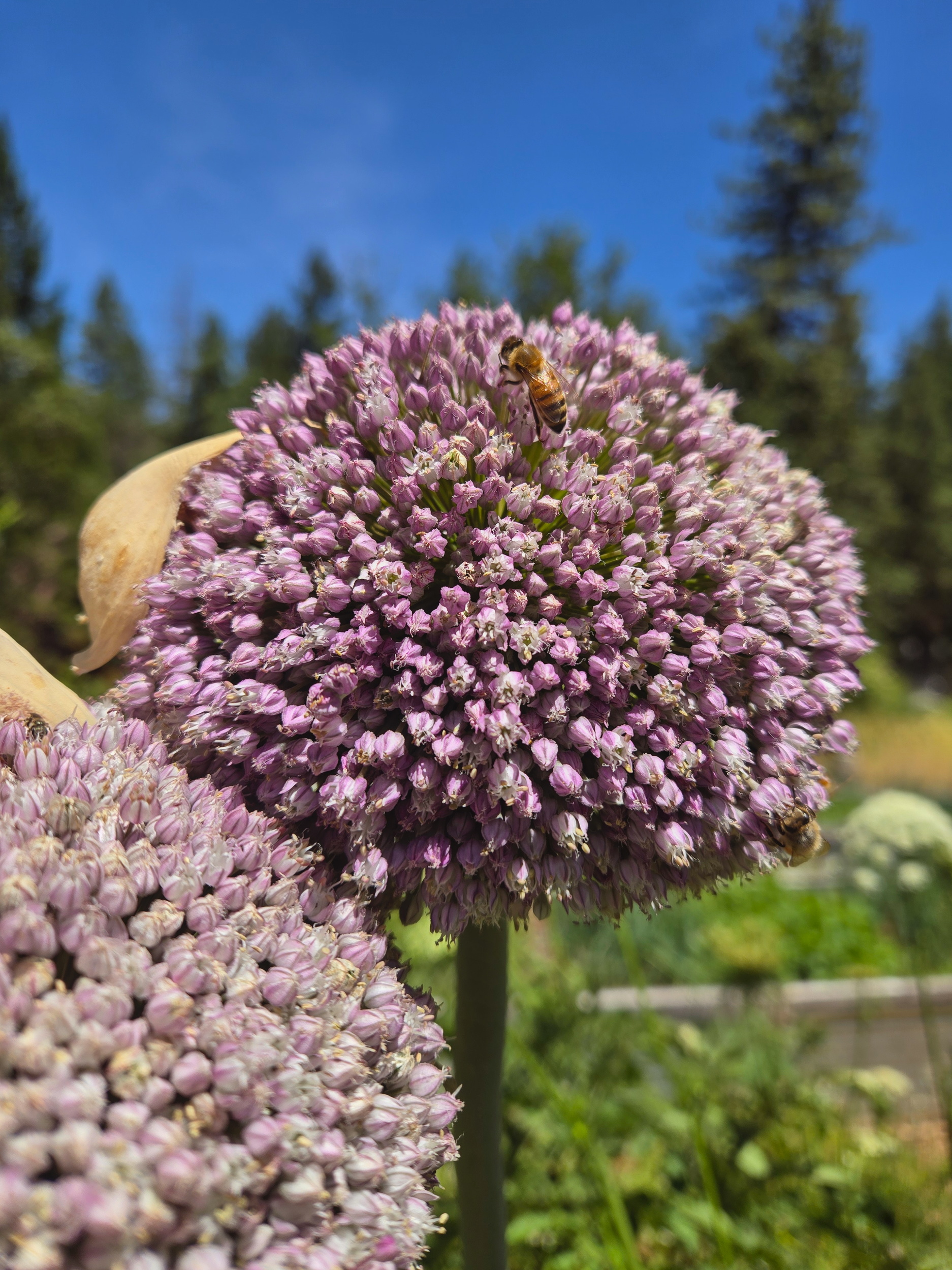
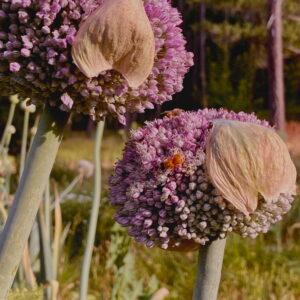
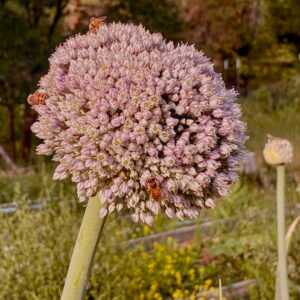
Leeks have a biennial habit and will flower and set seeds in their second growing season. We leave our leeks reserved for seed in the ground all winter long, in our zone 7b climate. Colder climates may need to protect or even dig up and protect leeks over winter to prevent rot, before replanting in the spring. After the leek plants flower, look for a change in color from pink/purple/white to light brown, and look for the appearance of black seeds which will start to become visible. Cut the drying or dry leek seed heads and place them in a paper back upside down with plenty of airflow to dry. Once thoroughly dry, shape and agitate to seedheads until seeds fall loose. Screen and winnow the leek seeds from chaff if cleaner seed is desired for sharing or to consume as food.


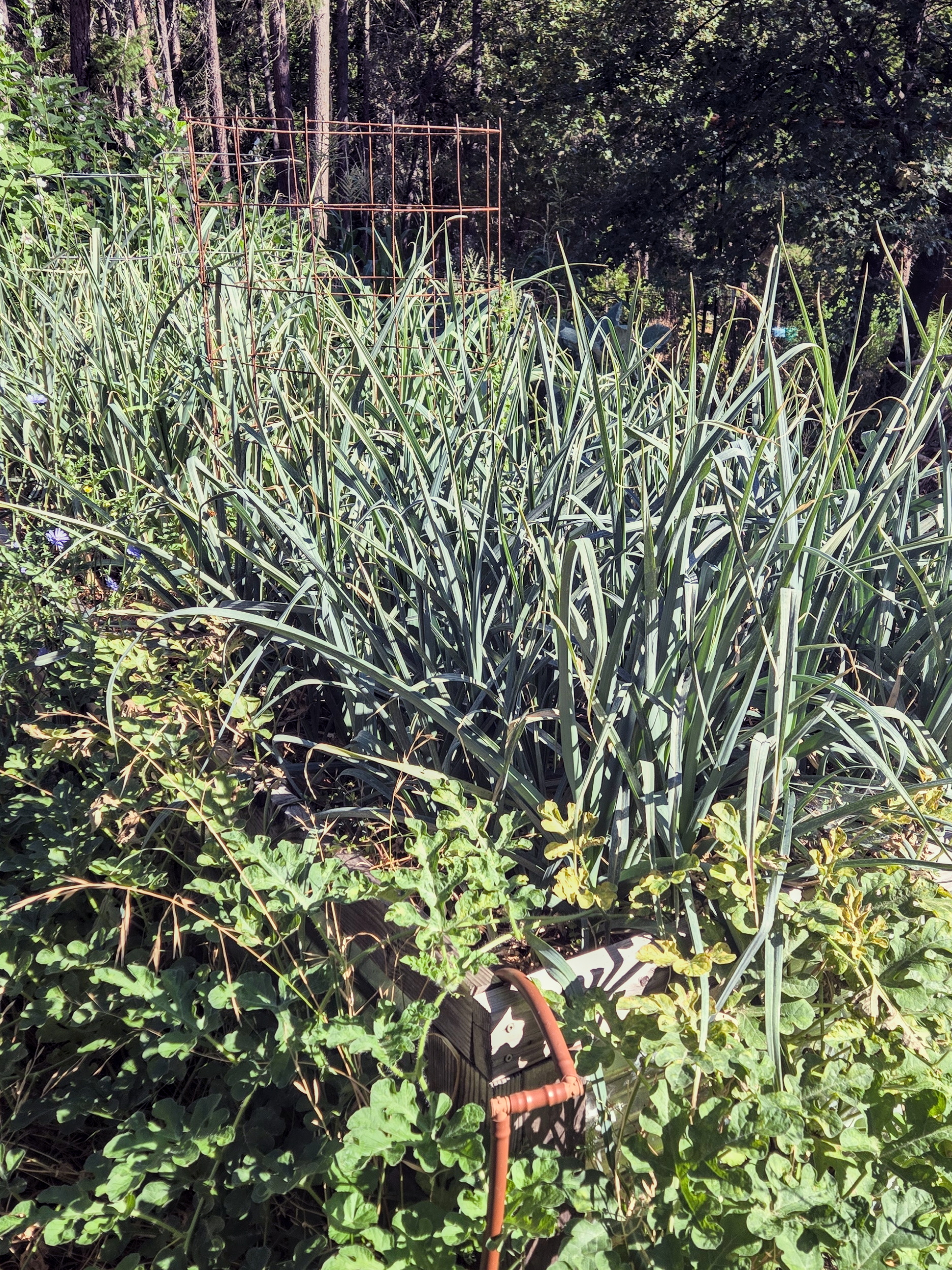
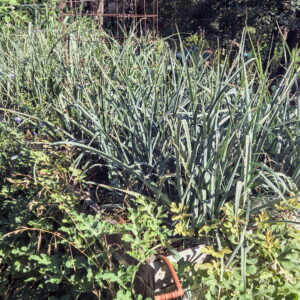
Germinated and growing well