
Description
Sea kale is a favorite on our homestead for his food value, unique beauty and general toughness. Most gardeners we speak to have never heard of sea kale before and by the time our conversation is over, they are so excited to grow this perennial kale in their garden!
Sea kale is a perennial kale in the Brassicaceae family, but unlike other kales it belongs to a different genus and species. Indeed, while sea kale’s leaves are somewhat reminiscent of other kales, sea kale has a different growth habit, form and energy. Sea kale doesn’t grow a central stalk like other kales. Instead, sea kale grows leaves directly from its tuberous root.
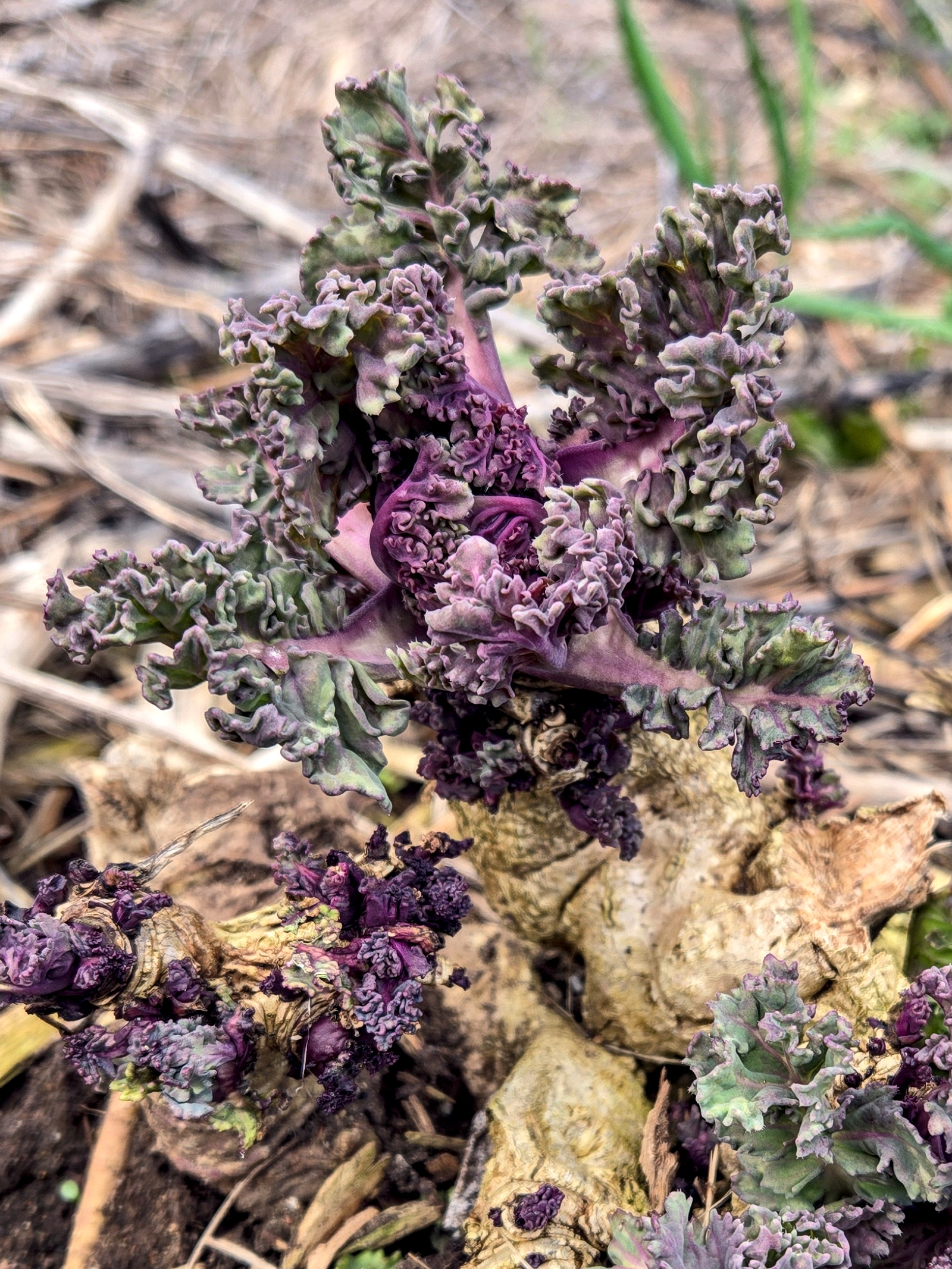
The whole above ground part of the plant dies back in winters. The leaves melt into the soil through winter and if you trimmed back the seed stalks you’d hardly know the sea kale was there at all, except perhaps for the small buds on the roots poking out of the soil if they weren’t mulched over.
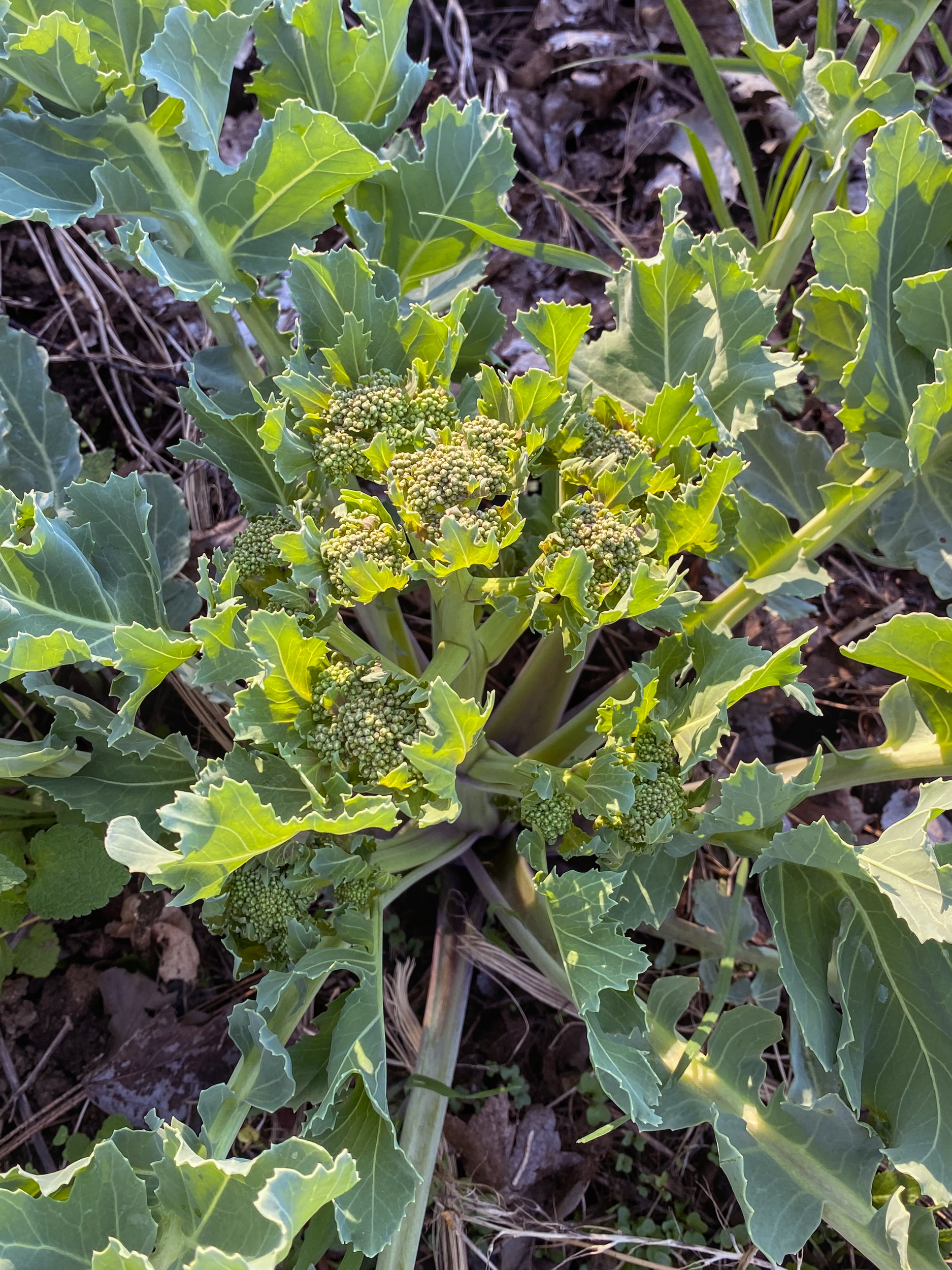
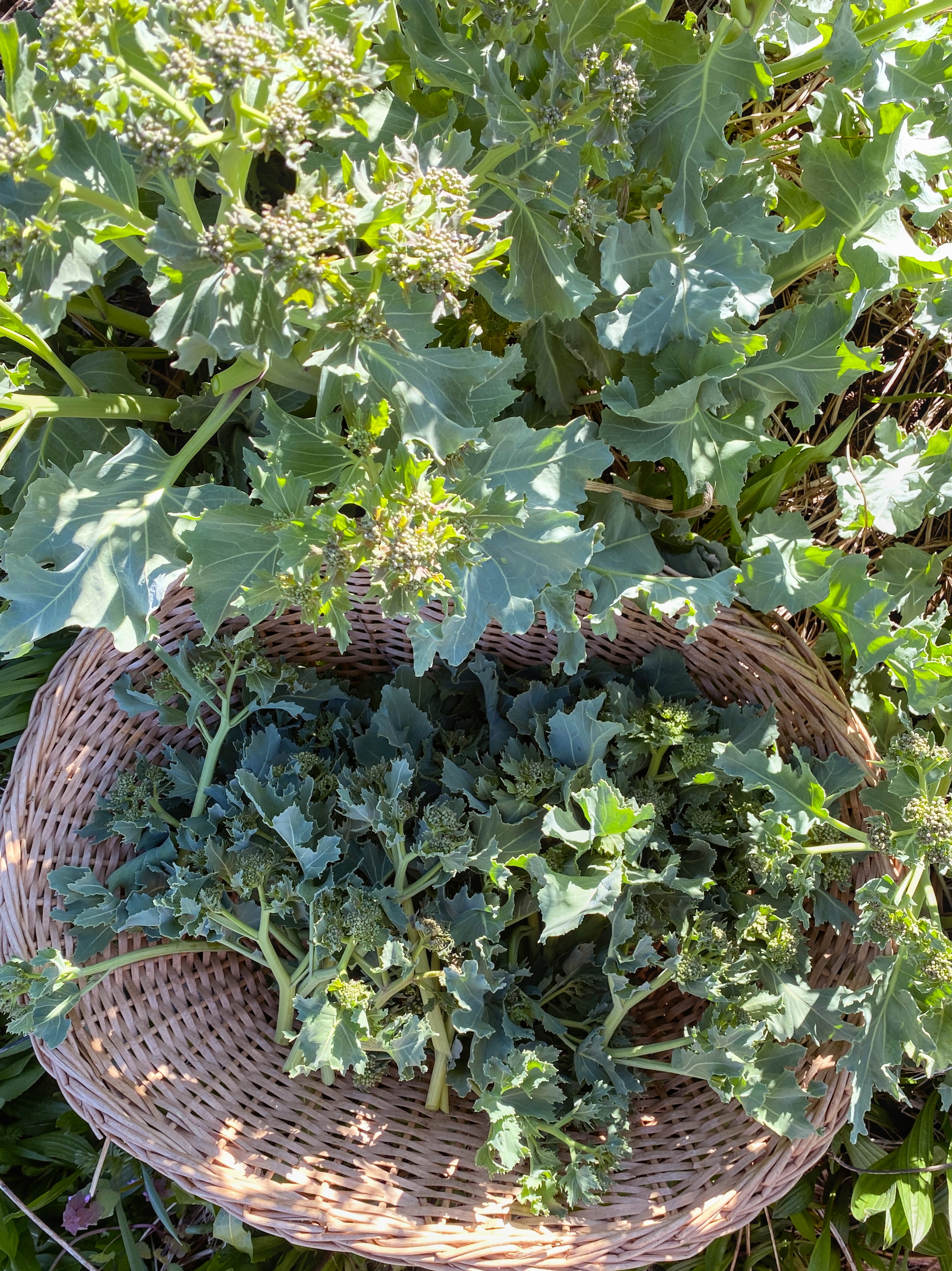
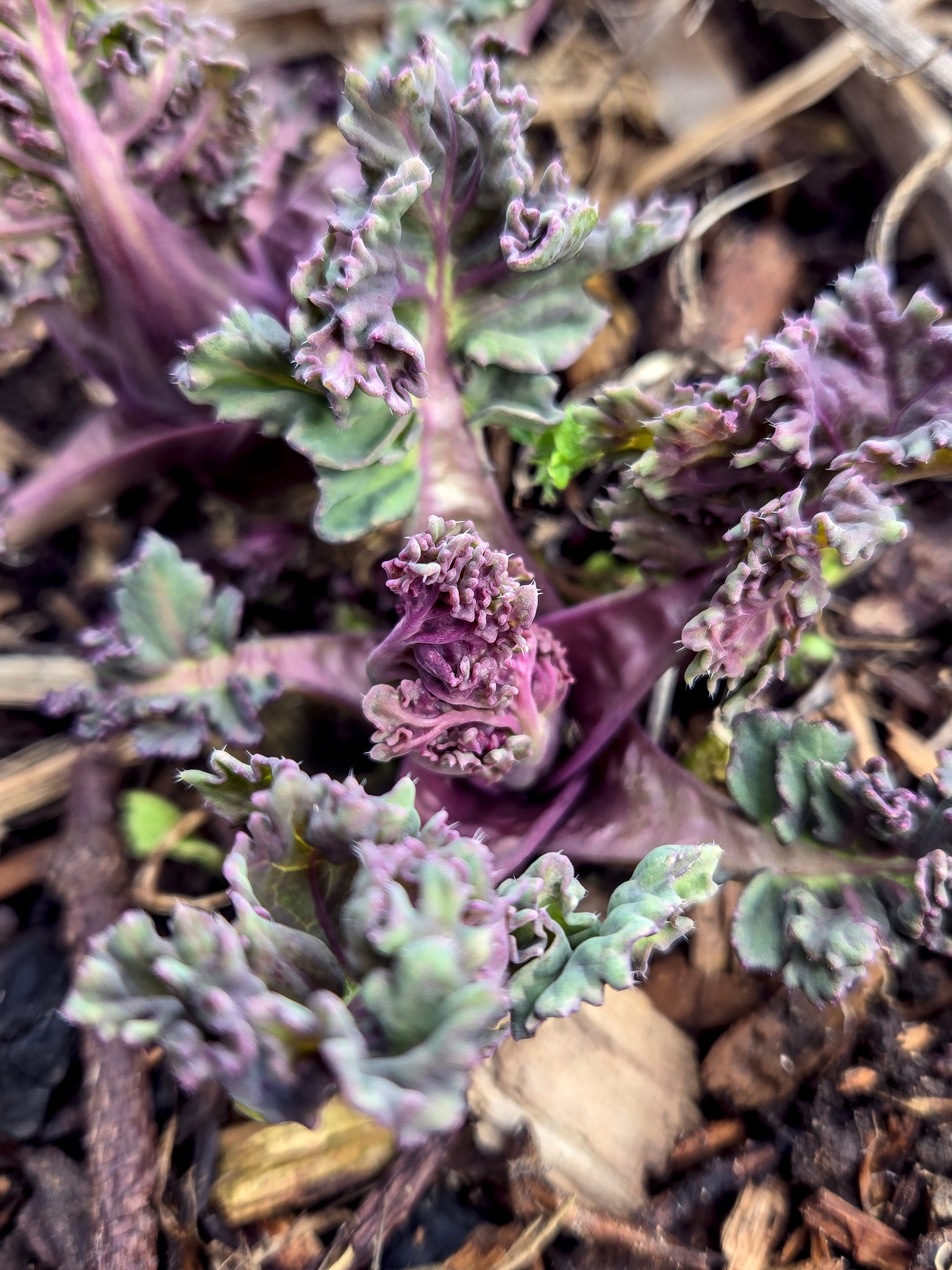
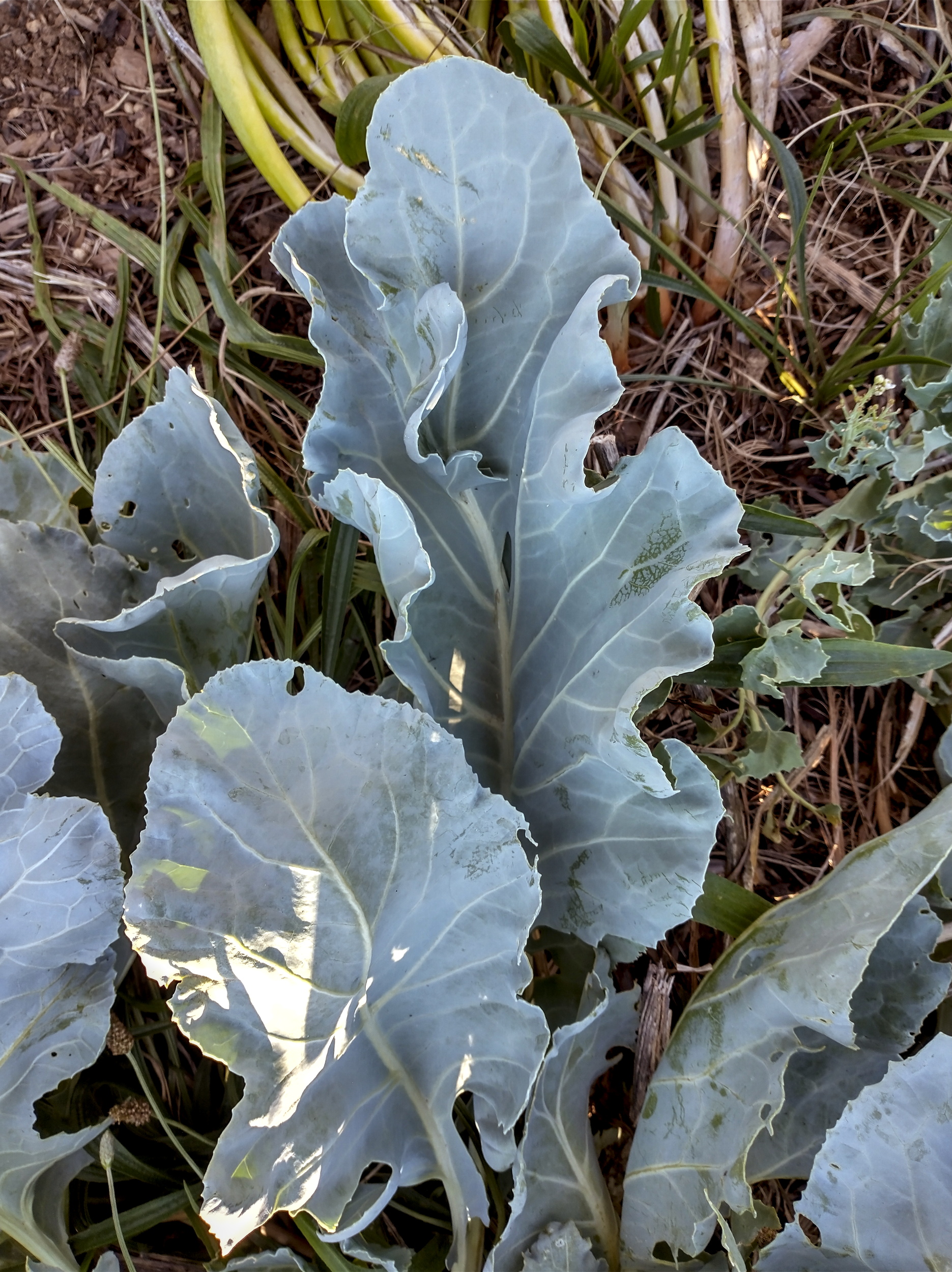
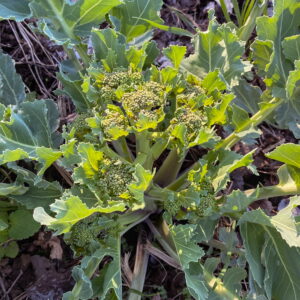
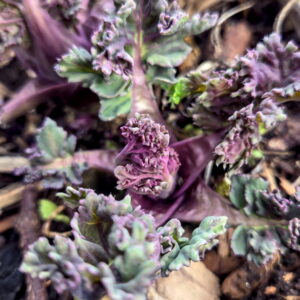
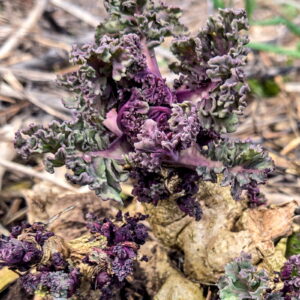
The first re-growth of sea kale starts very early in late winter and is a beautiful sight. The tips of the roots where leaves emerge are purple. As the small curly leaves begin to grow they start purple and then give way to a blue-green color. You just have to get out in those cold days to enjoy this beautiful emergence before the leaves grow larger and cover the root crown once again.
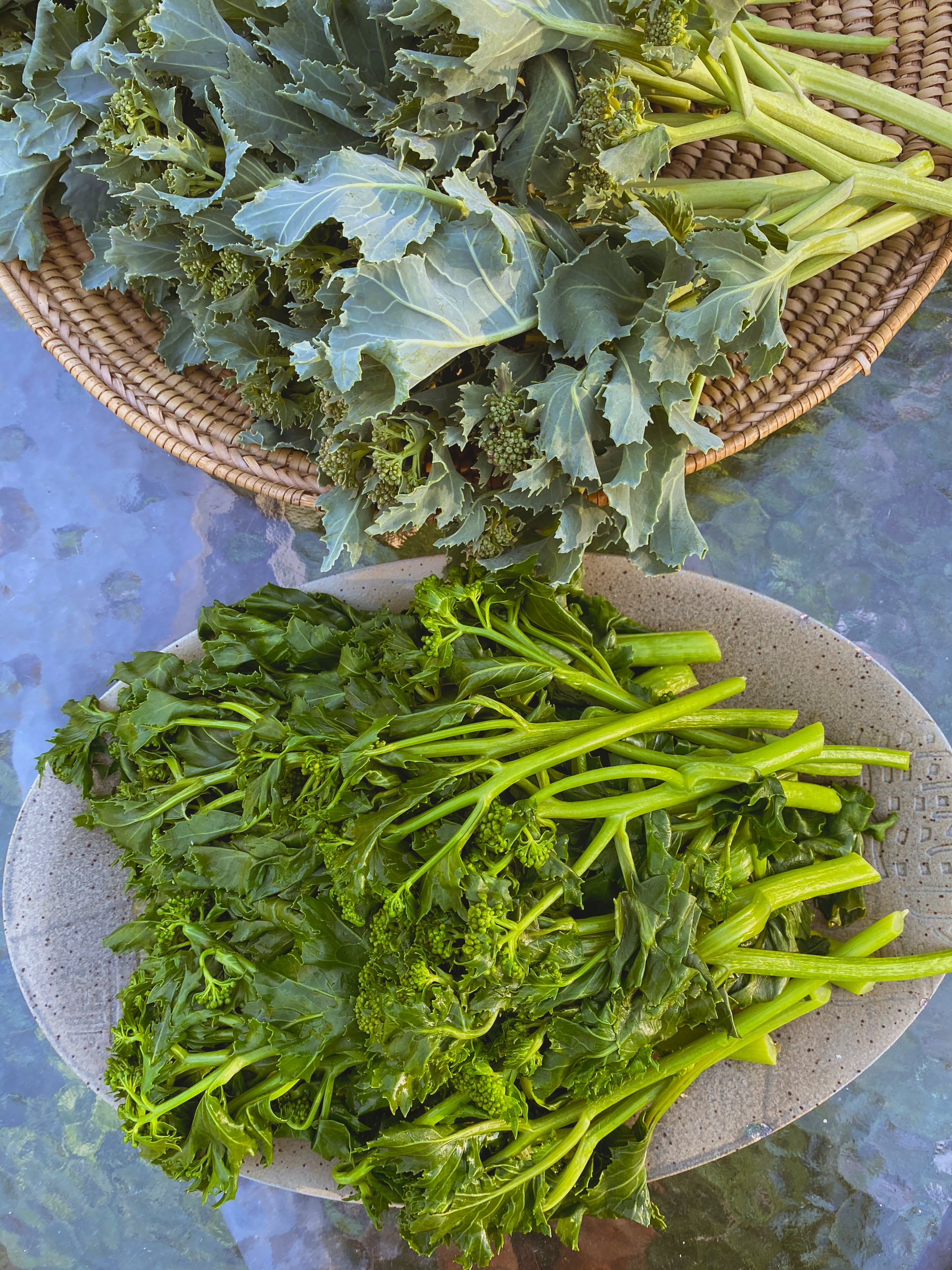
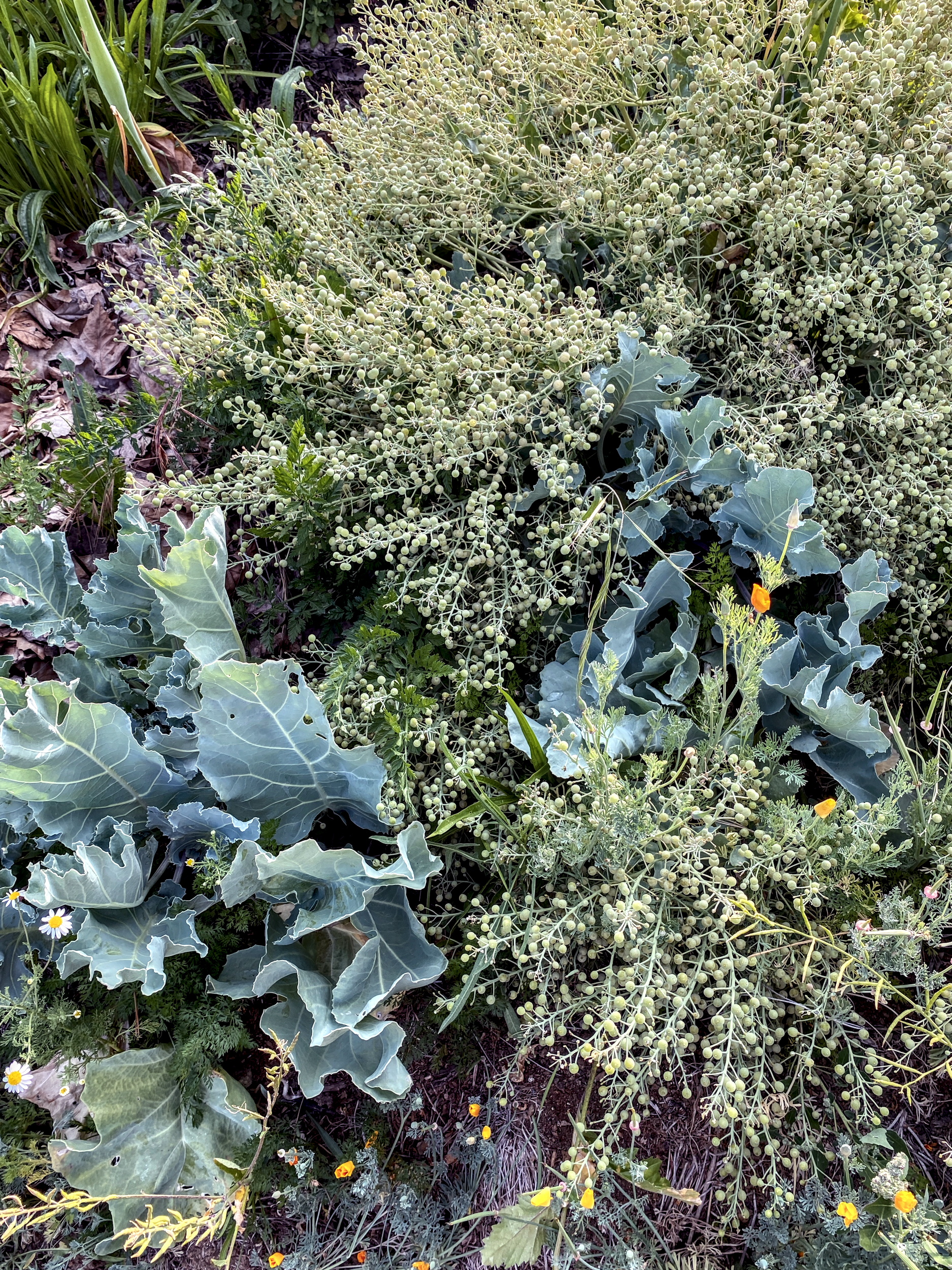
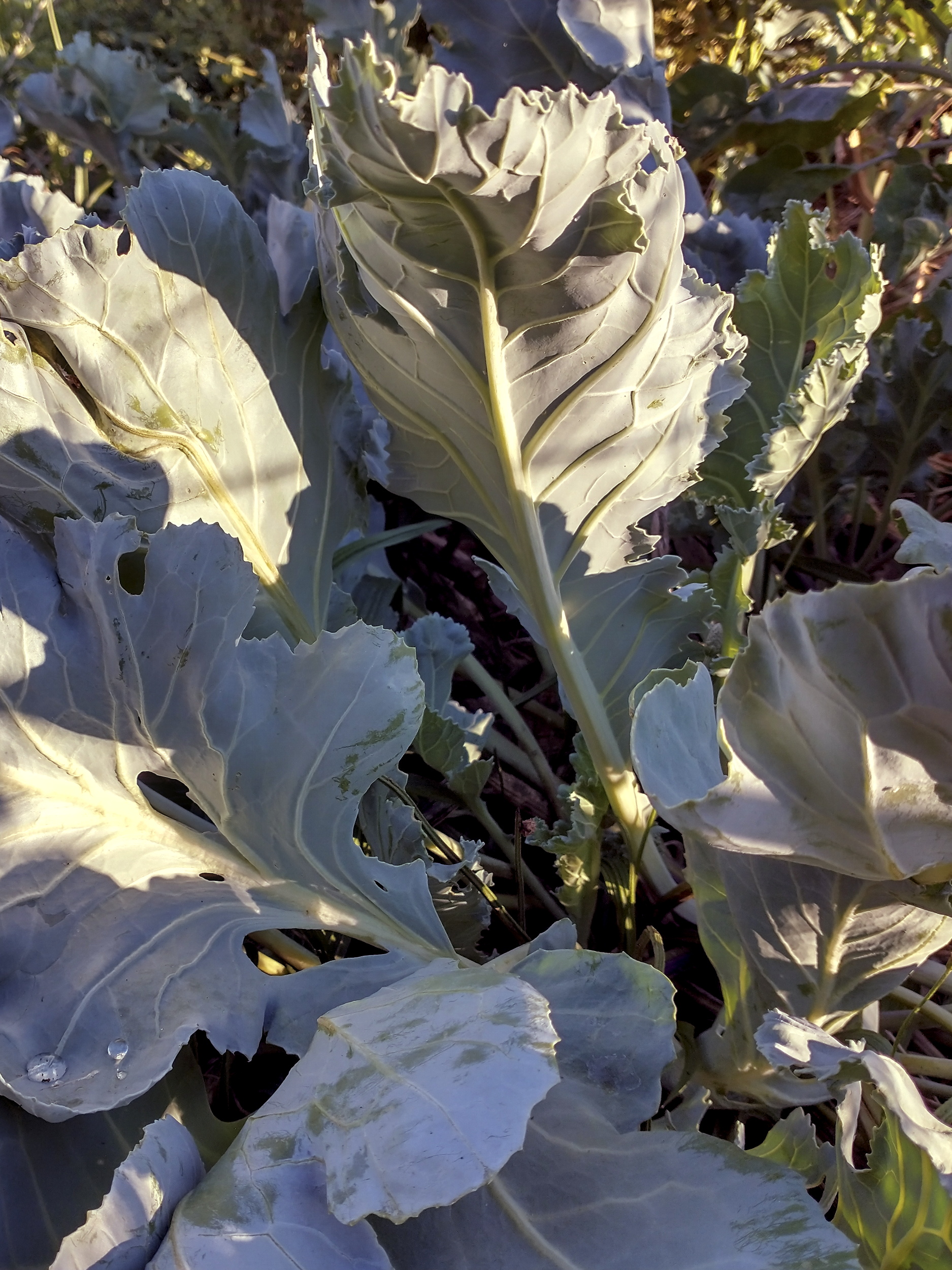
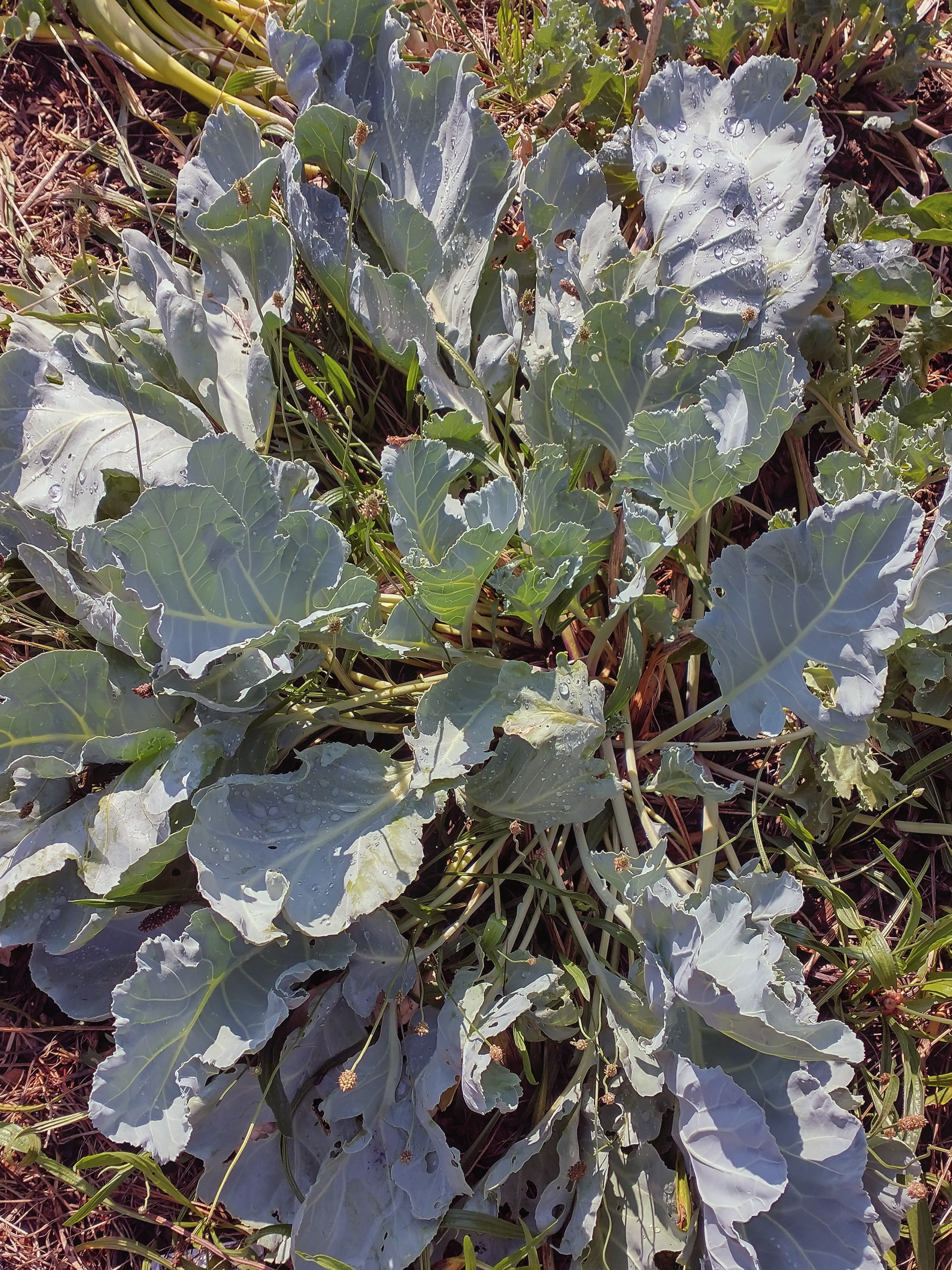
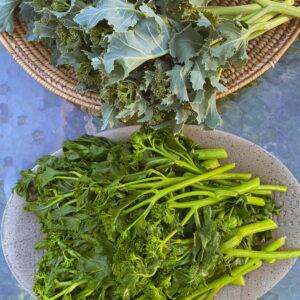
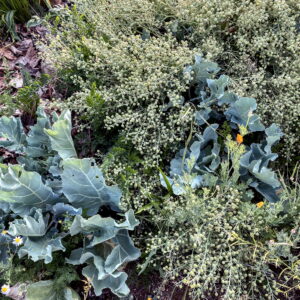
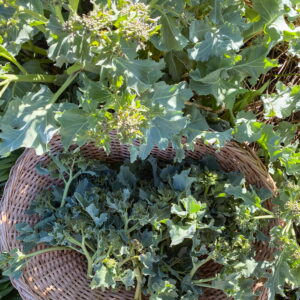
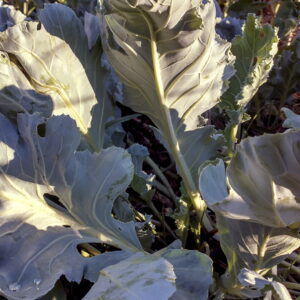
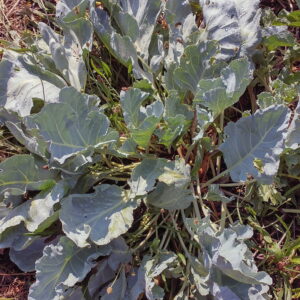
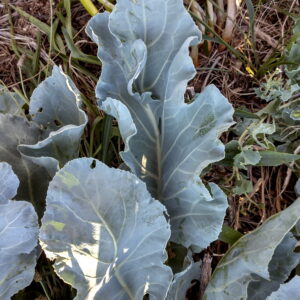
Sea kale’s dusty blue leaves are long and wide in stature and add a beautiful color to our perennial gardens. The leaves are the beautiful show during the cooler days of late winter and early spring. This is the time to eat the leaves as greens, adding them to cooked dishes like you would with other kales or cabbage. Some say sea kale leaves are more cabbagey in texture.
Some people like to blanch the early leave shoots by covering them from the sun with a cloche or upside down pot until ready to harvest. Allow the plant to go unblanched the rest of the season so it can photosynthesize and store energy. Blanched shoots are milder in flavor and taste somewhat like asparagus spears.
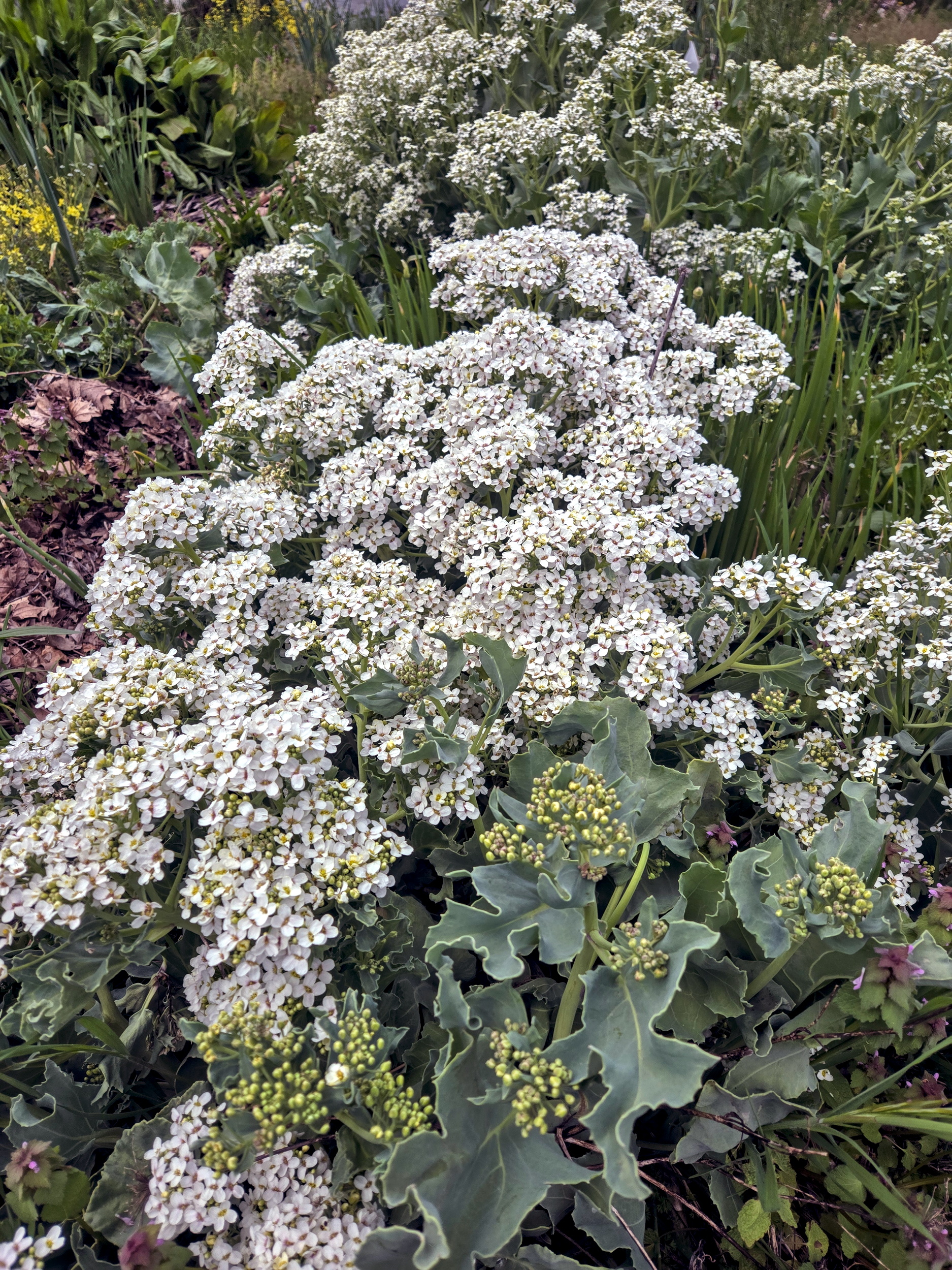
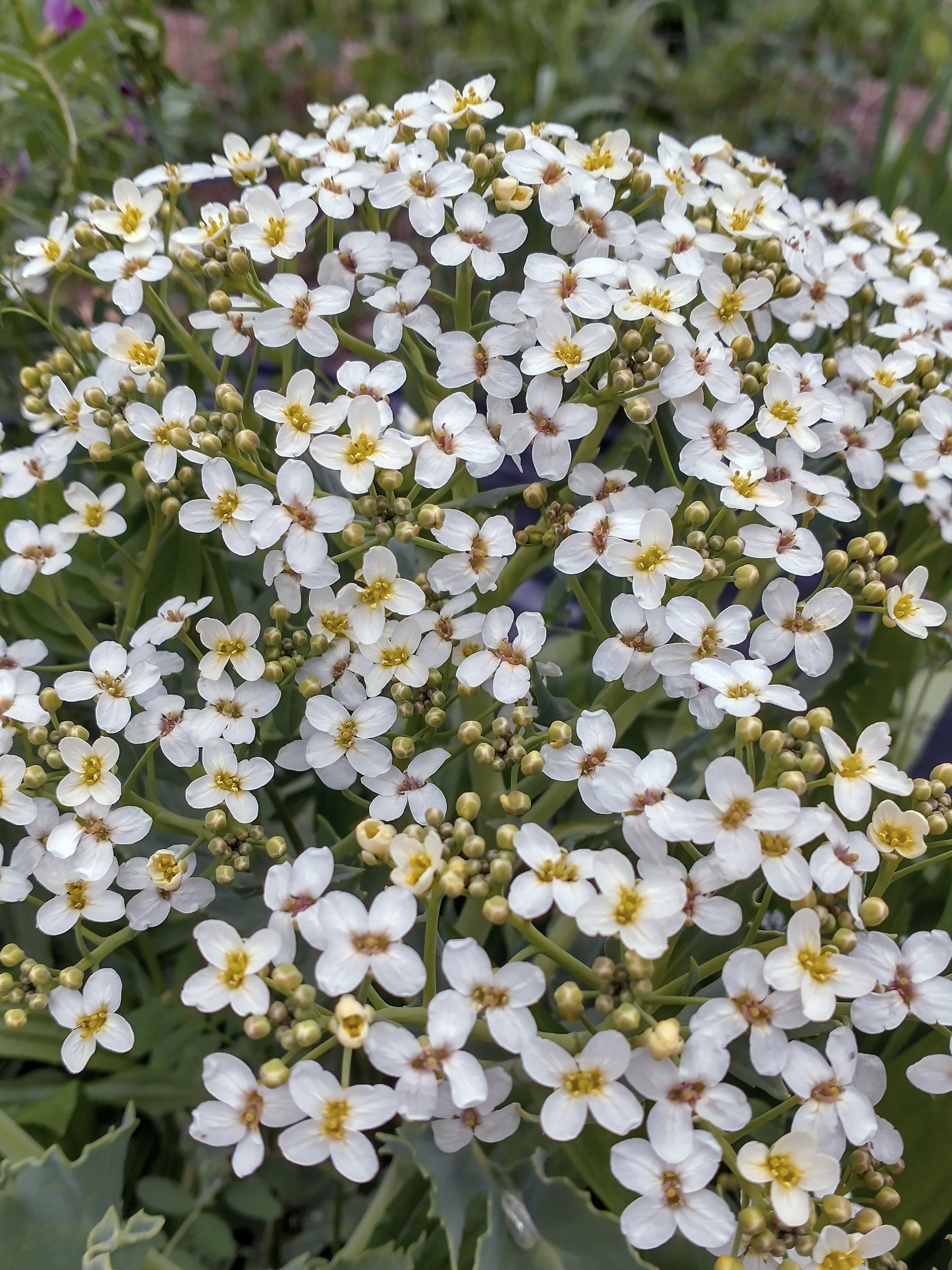
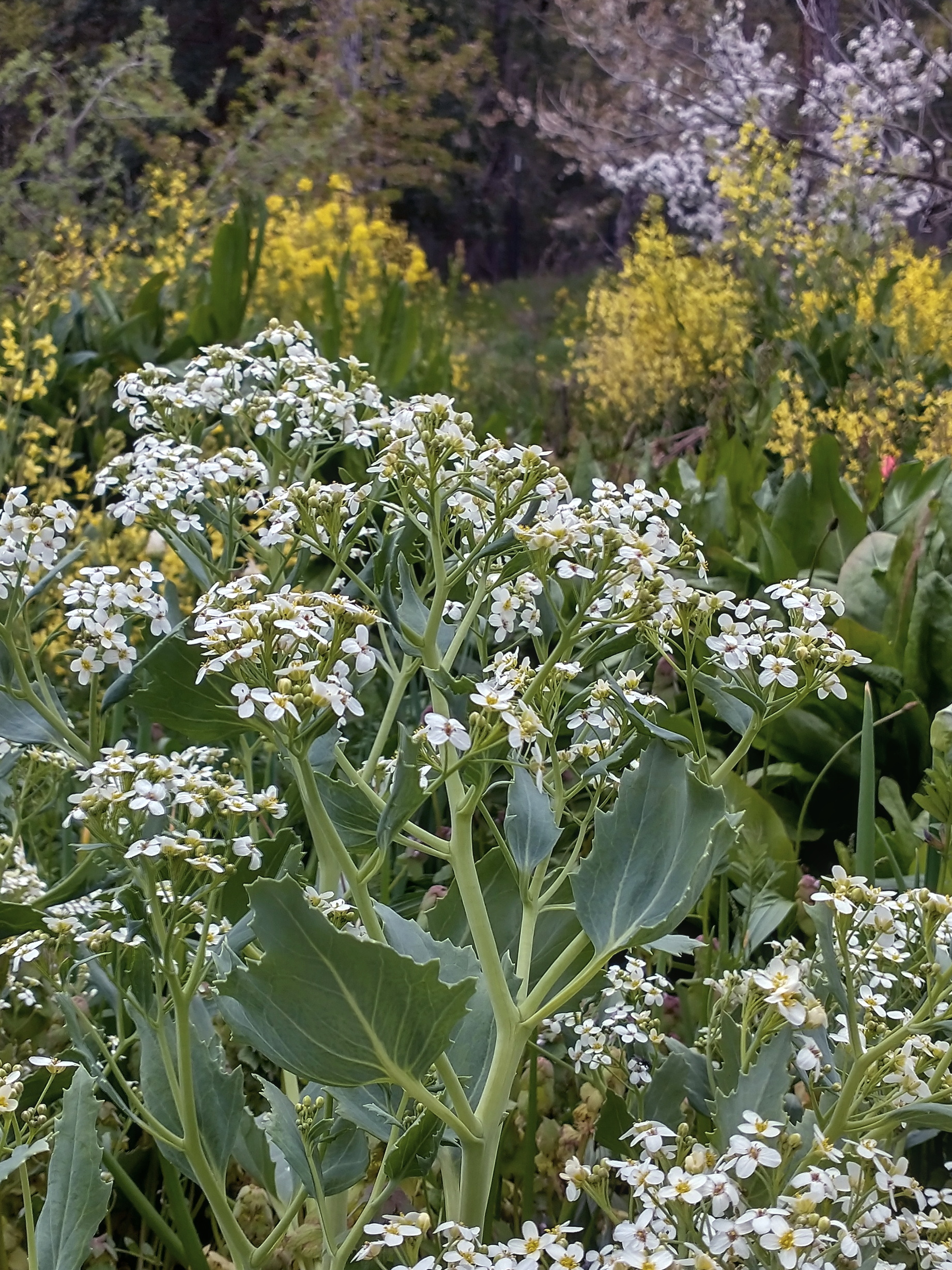
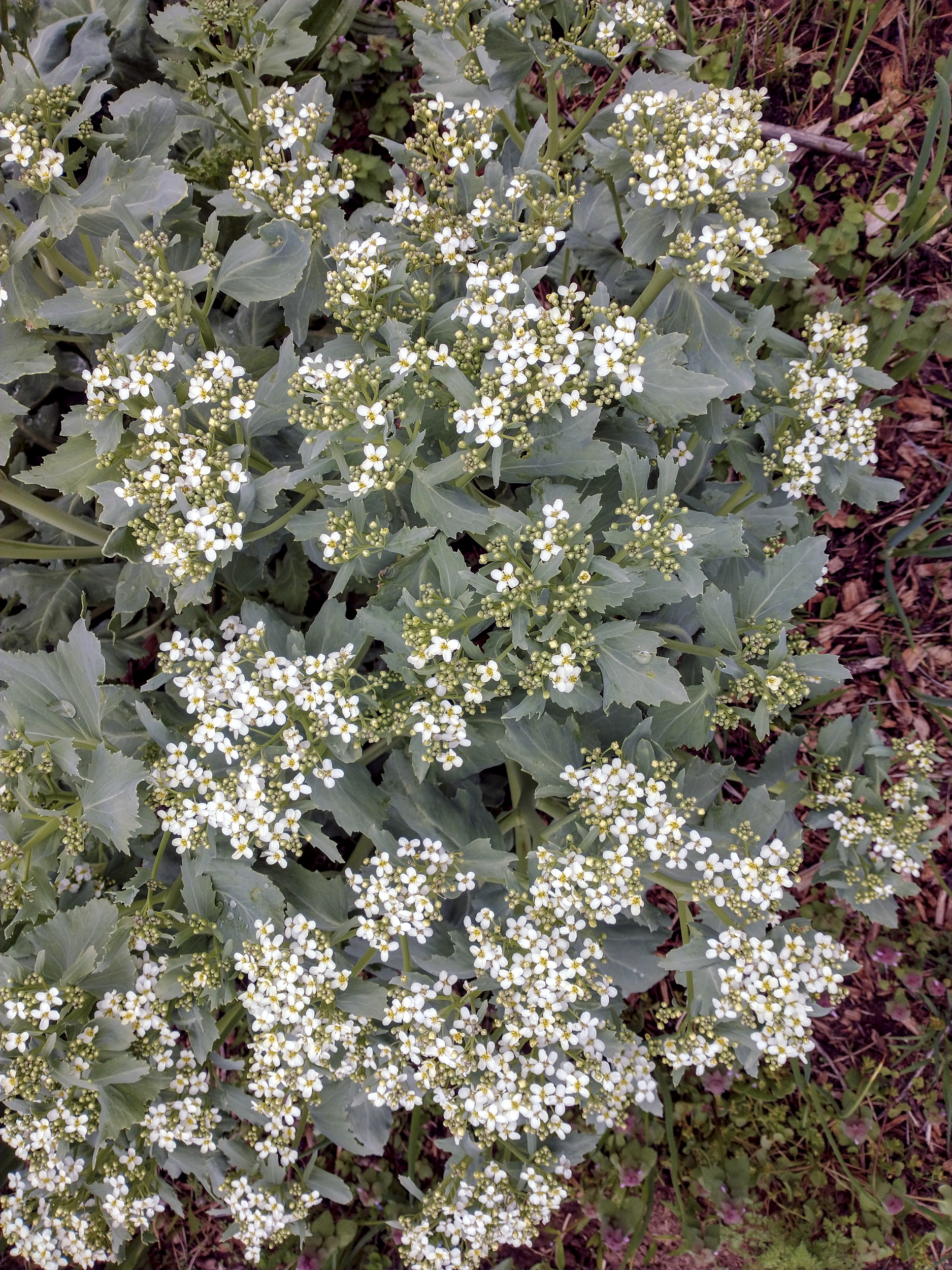
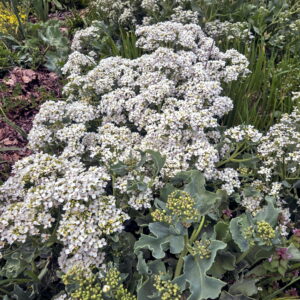
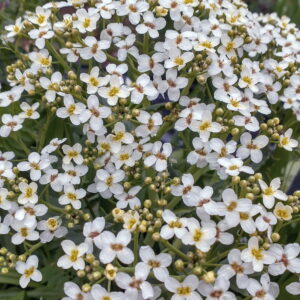
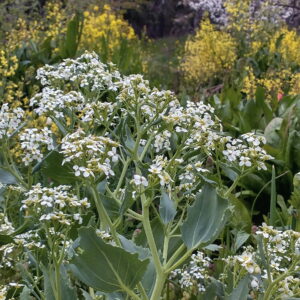
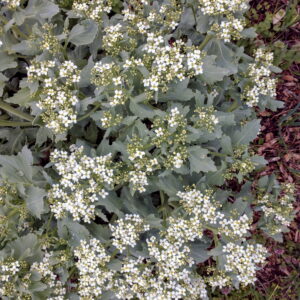
Eventually the flower buds emerge in spring and the small clusters quickly grow above the plant, opening wide to create a dome-like constellation of delicate white flowers with yellow to pinkish-orange centers. The numerous flowers are a sight to behold. Several sea kale plants is a good idea to enjoy a blanket of white flowers.
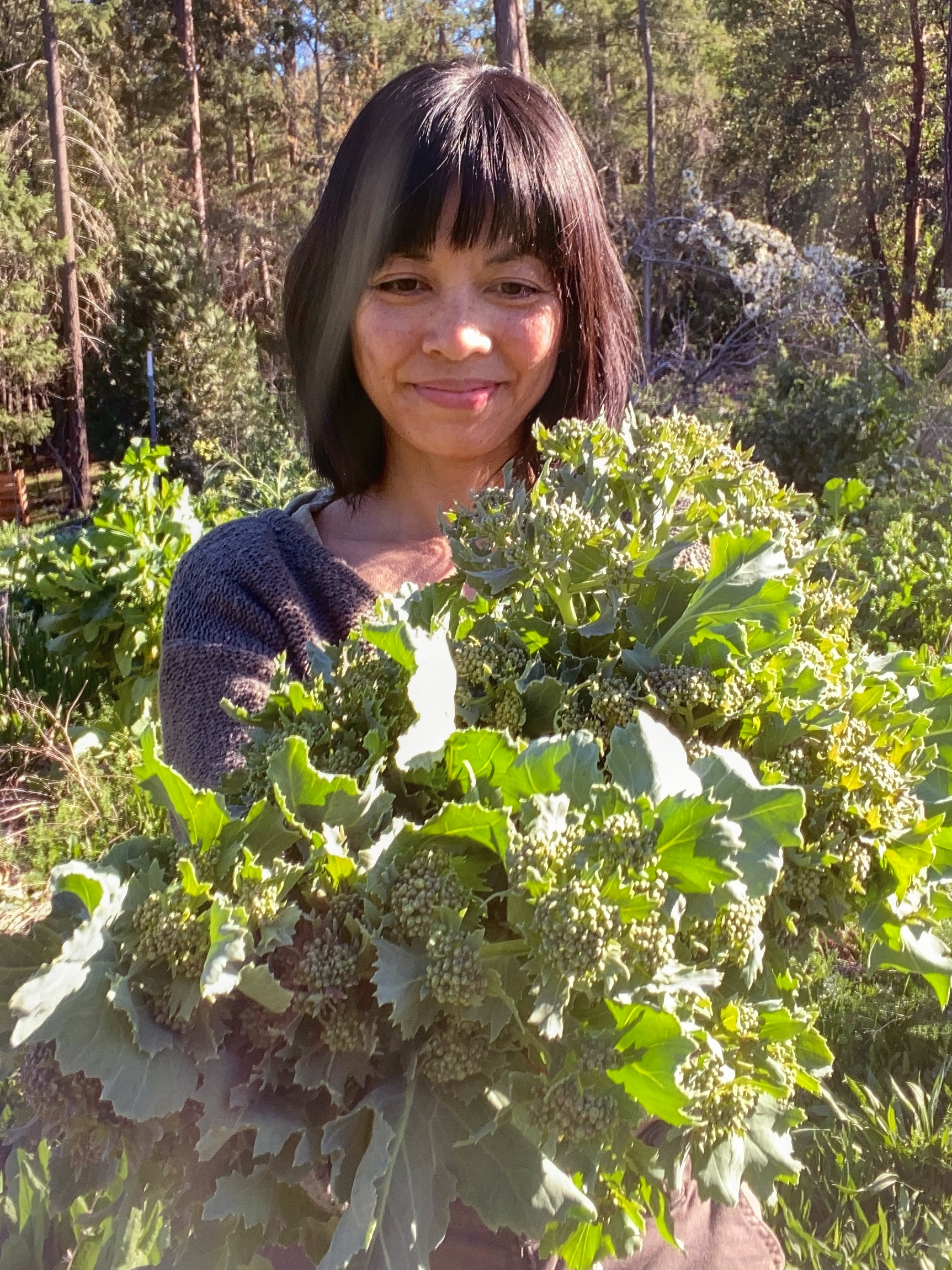
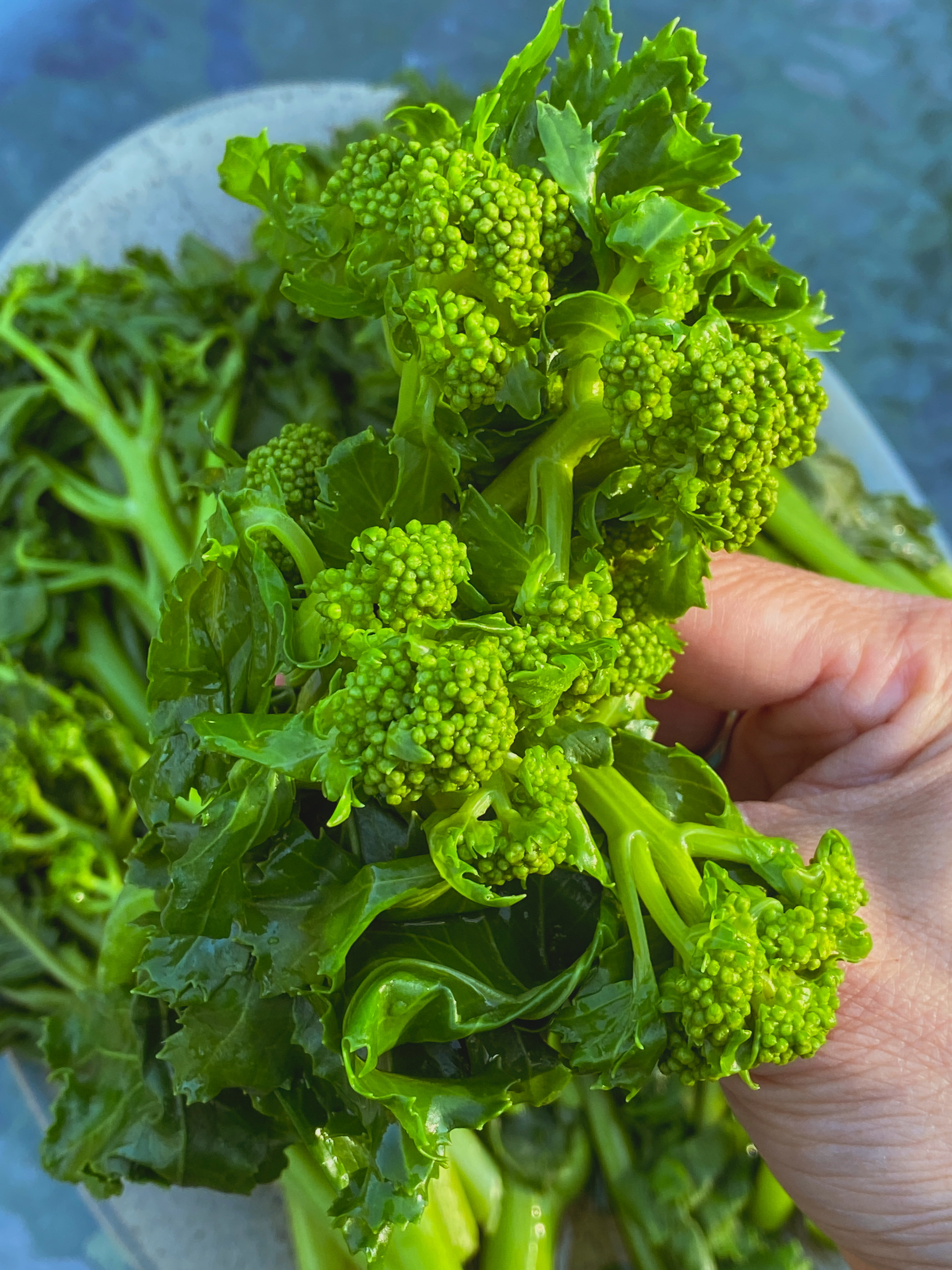
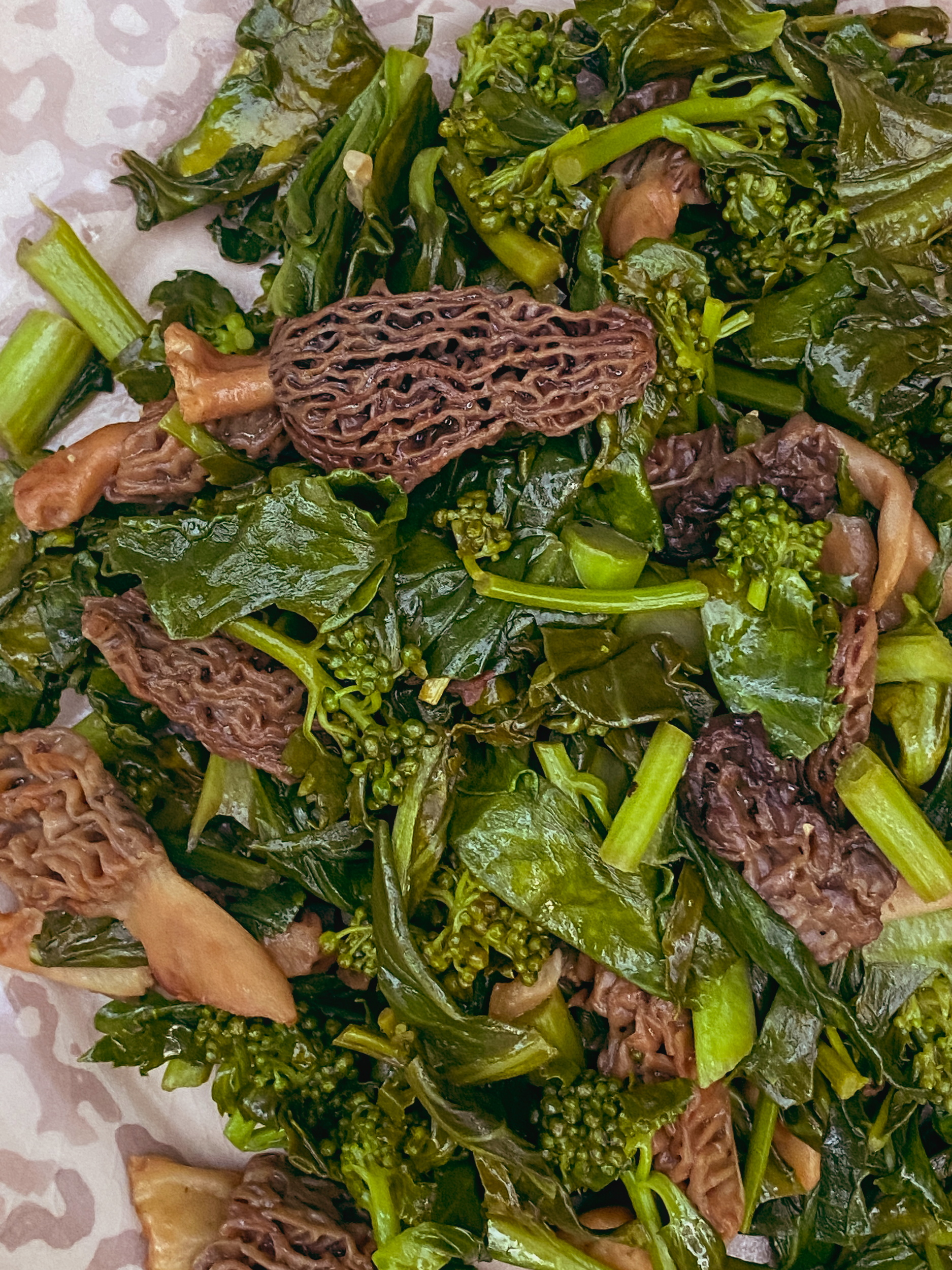
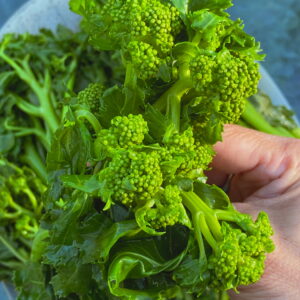
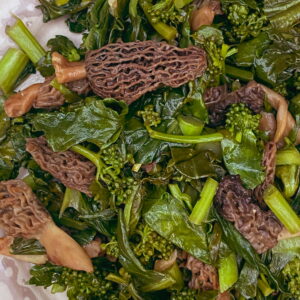
Sea kale flowers are edible and when they are still in a tight cluster they resemble a small broccoli floret. They are also quite tasty and grow on a long, fat tender stalk. Sea kale florets are delicious! They are sweet, juicy, tender and have a light bitter aftertaste. (The bitterness can be reduced or eliminated by blanching as described above.) We find sea kale florets nearly identical to flavor, and even shape, as chinese broccoli and are an excellent substitute in any recipe that calls for chinese broccoli.
Since broccoli and chinese broccoli are more difficult to grow well, I’ve decided to plant a lot of sea kale plants and harvest the early flower buds en masse to freeze and enjoy as perennial broccoli throughout the rest of the year. As a fairly long lived perennial, it’s far easier to grow a lot of sea kale florets than annual broccoli.
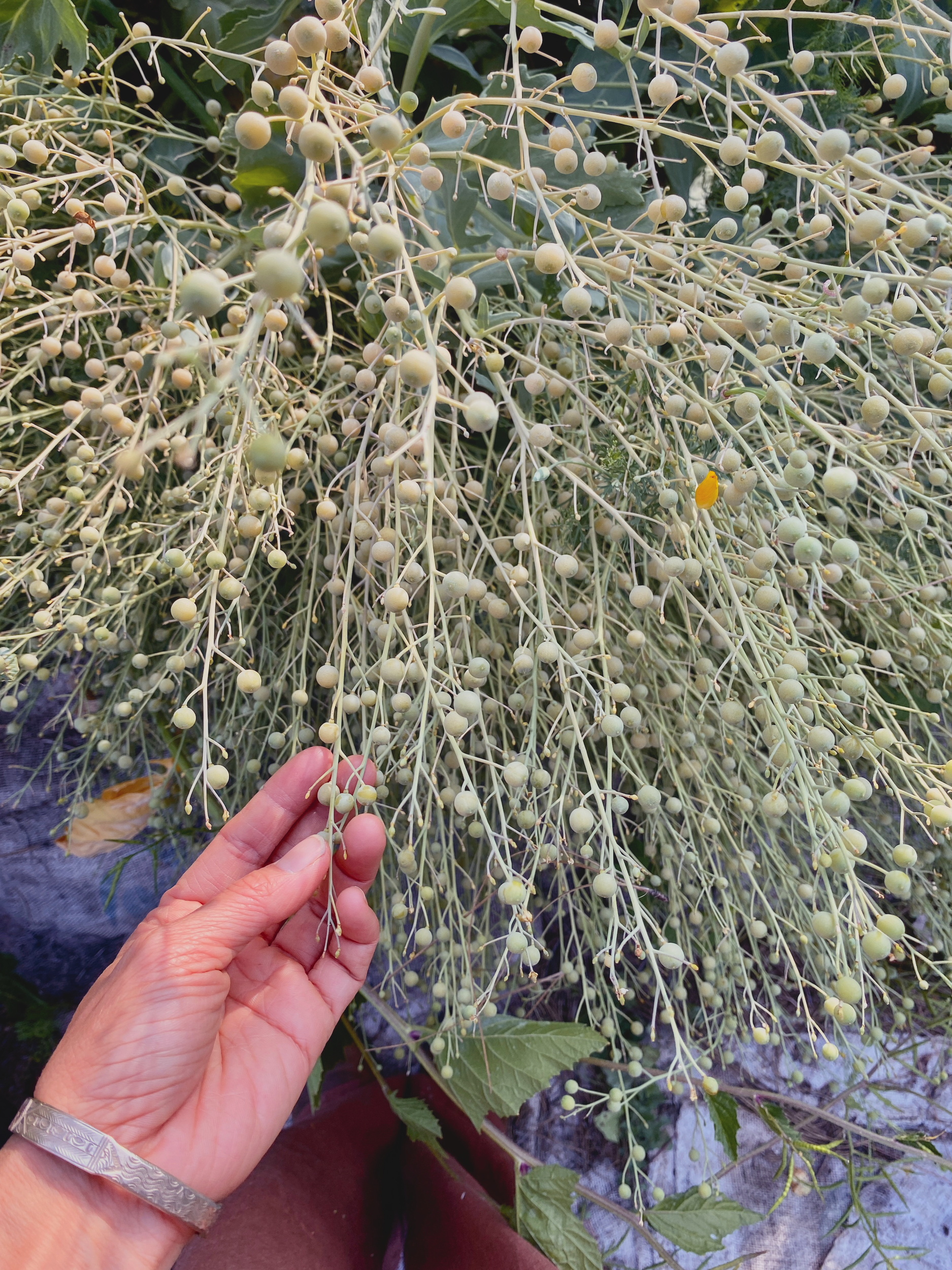
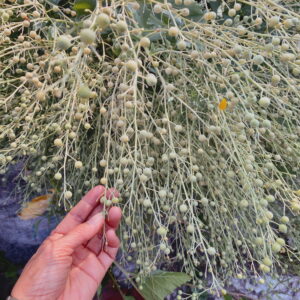
When the flowers go to seed, they create cute little green pods. I’ve heard those pods can be pickled and eaten as caper substitutes before they get woody, but I haven’t tried it. If you give it a try, please let me know how it turns out!
As the sea kale pods dry they turn brown and the seed stalks often laden with pods grow heavy and bend over to partially lay on the ground. Now the sea kale leaves are more visible again and continue their growth if the soil is moist enough for them. The leaves are once again the main attraction of the sea kale plant, until freezing weather comes to kill the leaves. In winter the below ground portion of the sea kale plant goes dormant.
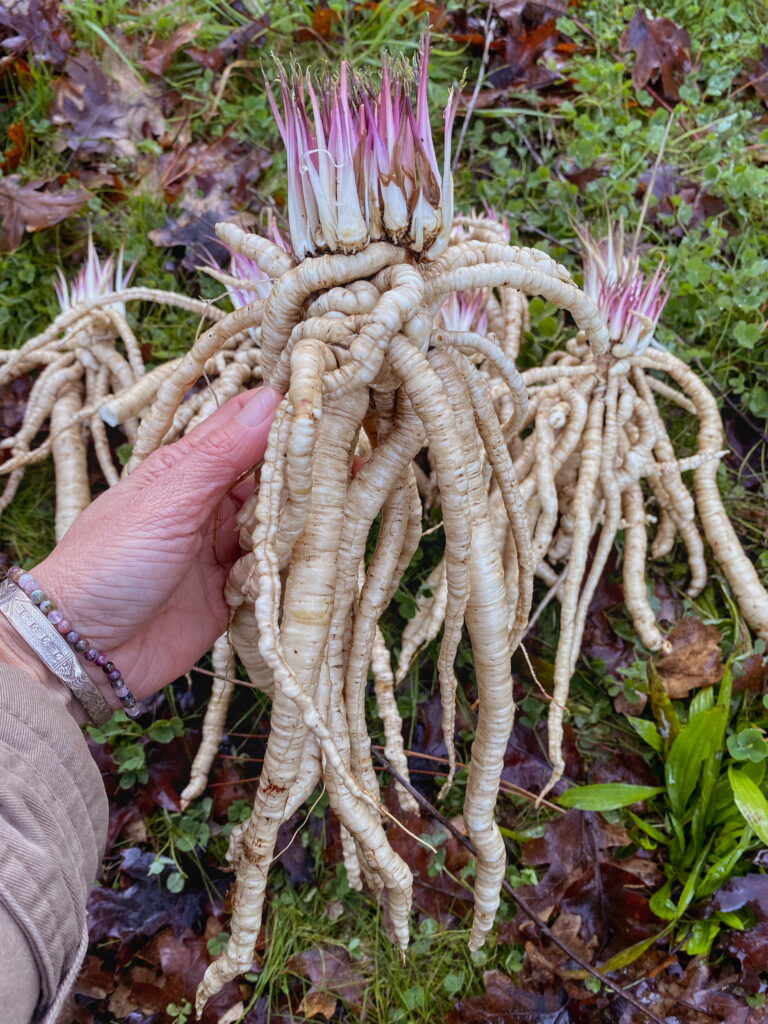
Winter is the best time to divide the plant, which also turns out to be the best time to harvest the roots for food, if desired. Sea kale roots are tasty. They are reminiscent of other brassica flavors like broccoli and cabbage. Actually they taste like brussels sprouts, if they were in a root form. There is some mild to moderate bitterness.
We haven’t eaten a lot of Sea Kale roots yet, but from what we’ve eaten they are tasty and we enjoy them. We’re considering if we want to grow some extra plants as root crops, or if we will just harvest side roots from established plants, which is also an option. Sea Kale roots are thick and break somewhat easily. Older roots can be a bit fibrous.
So far sea kale seems to be gopher resistant in our gardens. I haven’t had a problem with gophers eating sea kale plants yet. The roots are tasty and not woody or overly fibrous, so I am surprised that gophers don’t devour them. On the other hand, gophers don’t bother our other brassica roots, so perhaps gophers simply don’t like brassica flavors. My fingers are crossed, and your mileage may vary, but sea kale seems quite gopher resistant!
I also love how tough the sea kale plant is in our hot, arid summers. They are quite drought hardy don’t show any signs of stress when I miss watering them or if they go through extended heat or drought periods. I’ve had sea kale plants grow in very tough spots on the edge of watering zones where they receive little water and they aren’t phased. They just don’t grow as fast with less water.
This variety of Improved Lilywhite Sea Kale was bred by our good friend Chris Homanics of Head, Hands, Heart Nursery and Seed out of Northwest Washington, who grew out many Lilywhite varieties of sea kale from various sources and regions, allowing them them to interbreed. Over time he selected the healthiest, most vigorous and most beautiful plants while retaining a high level of genetic diversity—thus the “Improved” in this cultivar’s name.
I am so excited to share sea kale seeds with you so that you can enjoy this versatile, tasty, resilient, beautiful plant in your garden!
Details
Lifecycle: Perennial
Lifespan: 10+ years
Hardiness zones: 4-8 (USDA)
Habitats: Coasts, sandy shores, seaside rocks and cliffs in Europe
Plant size: 3ft tall by 3 ft wide
Light: Full sun to part shade
Soil: All soil types
Water: Moist soil preferred, can handle dry soils, drought tolerant.
Seed Starting
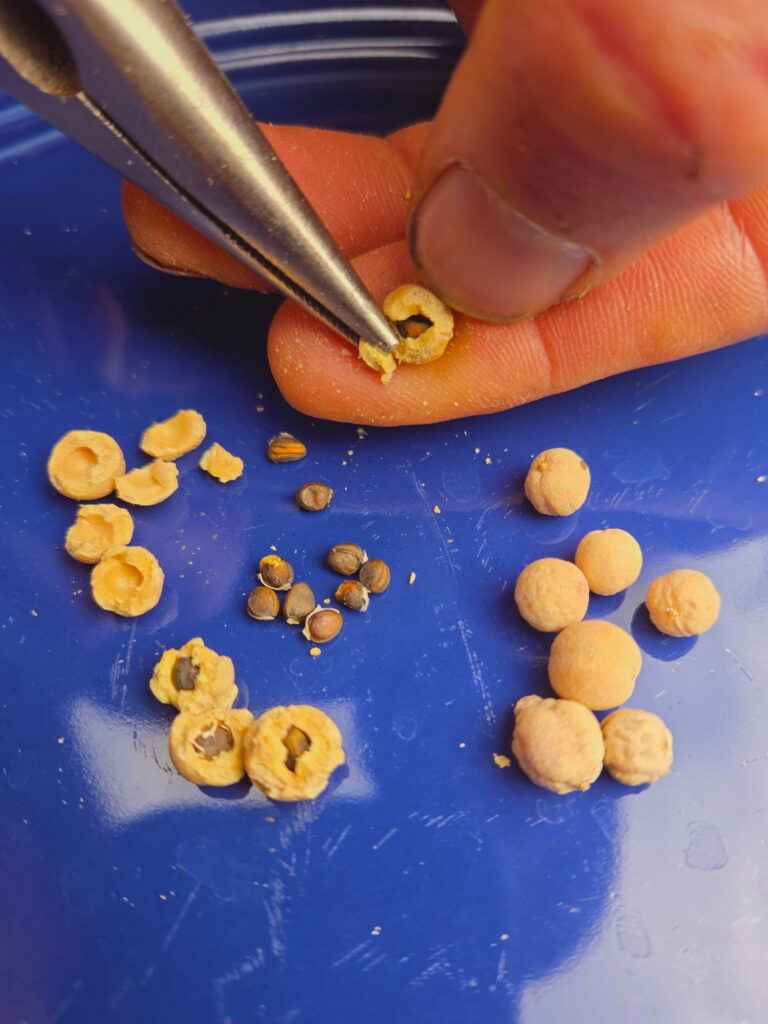
Each seed is enclosed in a round pod. Sea kale seed pods require scarification before the seed can germinate. It is important to open the pod to allow moisture to reach the seed. I prefer to completely remove the seeds from their pods and plant the seeds directly, but some gardeners found that simply cracking open the pods is enough.
The pods are like a foamy woody material but they are soft enough to easily open. Still care is needed not to damage the seeds inside. I prefer to use nail clippers or a skinny needle nose pliers to crack open the side of the pod and expose the seed in side. (See photo below)
While it is not necessary, sea kale seeds will benefit from at least 30 days cold stratification for better germination. In my experience sea kale seeds that aren’t stratified will have sporadic germination. Some germinate rather quickly, others may germinate weeks or months later. A cold stratification pre-treatment can help even out the germination. If many of your seeds don’t all come up right away, be patient and give the laggards more time.
I plant my seeds in February in our zone 7 climate with other brassicas. Early spring is good too. Cover the round seeds with 1/8″-1/4″ soil and keep the soil moist until seeds germinate.
Prick out seedlings when they are big enough to handle. Since they are somewhat slow growing in their first year, I prefer to grow sea kale plants in nursery pots for their first season and then plant them out into their final location in the late winter when they are showing signs of waking up again.
Cultivation
Keep the small sea kale plants weeded in their first year or two. Established sea kale need little care once established. Their large leaves shade out the ground beneath them and prevent weeds from taking over. Prune out the seed stalks as needed to give the plant space to grow new flowers in the following season.
Sea kale can handle salty soils and coastal conditions. This also makes it a great plant to grow in soils where other plants can’t, including soils that have accumulated salts due to unsustainable farming practices or low annual rainfall.
Harvest
The large sea kale leaves can be harvested any time of year but I prefer the leaves in the early spring when they are mildest in flavor and texture.
Spring time blossoms are also a treat. Harvest the flower buds and stalks while the flowers are still tight and unopened.
Propagation
Established sea kale plants can be divided easily. Sea kale is also incredibly easy to propagate with small pieces of root cuttings. Indeed in the few times that I transplant sea kale plants, small pieces of roots left several inches down in the ground will re-sprout new plants. In the times that I had nursery pots in contact with the soil, sea kale roots grew down into the soil. I severed the root when I moved the plant and the following year there was a new sea kale plant in that exact spot!
Seed Saving
Harvest the seed pods from the plant when they are dry and have changed from green to brown. Some of the smaller seed pods will have either tiny seeds, shriveled seeds or no seeds. So choose the largest seed pods for re-planting as they will be more likely to be fully formed. If you are saving sea kale seeds in bulk for sharing or selling, thresh the pods by crushing them to remove them from stems, screen the larger pods from smaller ones (open some pods to spot check) and winnow to remove dust and other light chaff.


Got the seeds no problem, and thank you. As for my happiness with the plants, I won’t be able to report on that for a year or so.
It’s hard to rate seakale seeds because they are SO SLOW. I am still waiting on mine.
Natalia, I am sorry to hear the sea kale seeds are slow. Did you happen to crack open the pods and offer some cold stratification? (See seed starting instructions below the variety description.) Those are the two most common challenges with germinating sea kale.
The seeds were delivered in a timely manner yet have not yet been planted.