Description
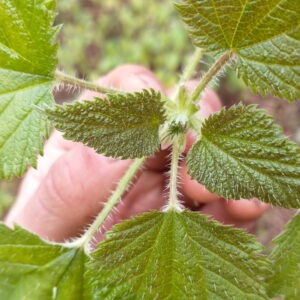
Stinging Nettle is a valuable homestead plant, offering abundant nourishing food, medicine and utility to those who choose to ally with her.
Stinging Nettle is quite cold hardy and as one of the first spring greens to grow in the late winter and one of the last greens to be available in the early winter, Stinging Nettle reliably offers nutritious greens for a long season. Warmer climates will be able to grow Stinging Nettle year round.
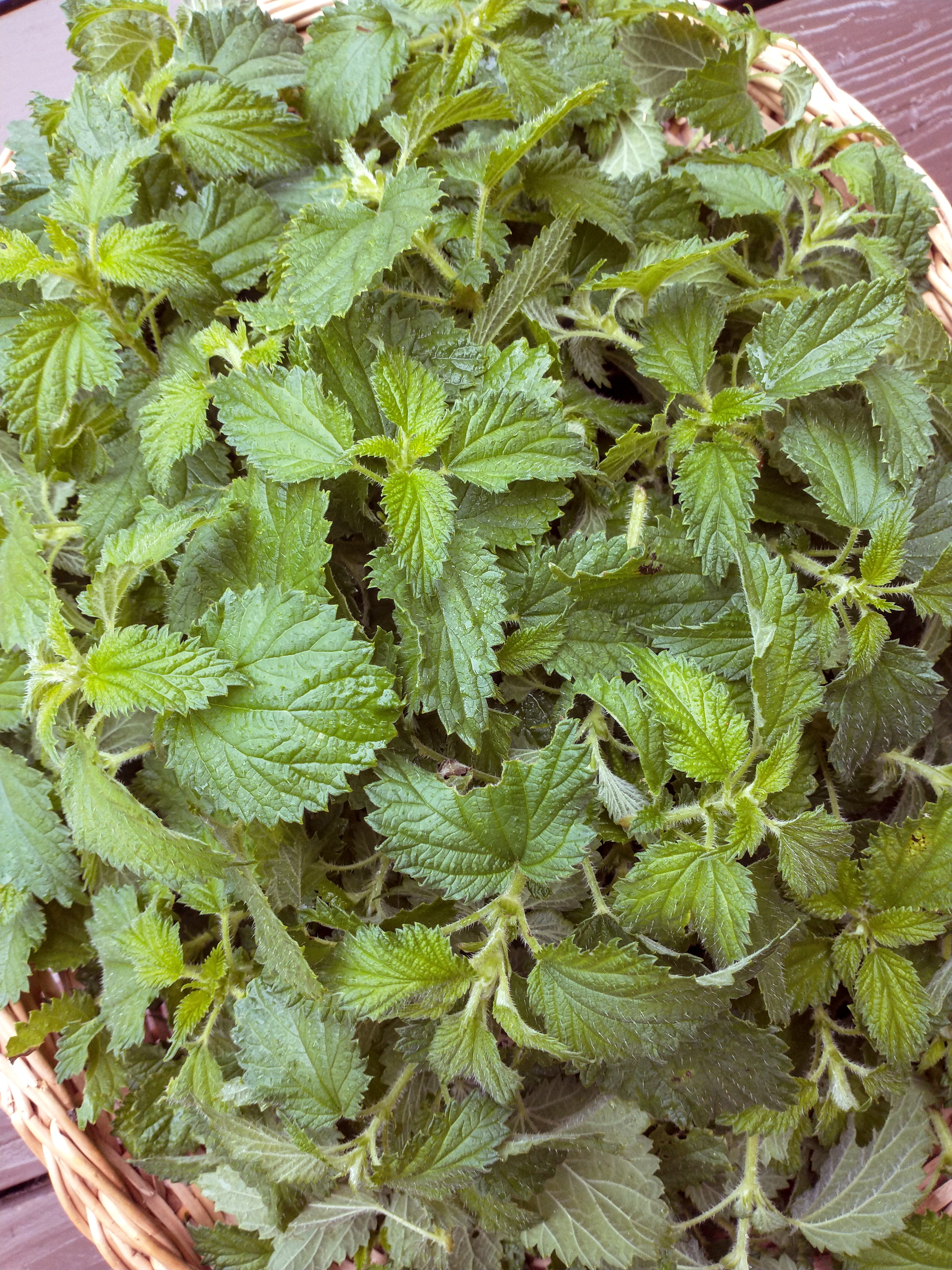
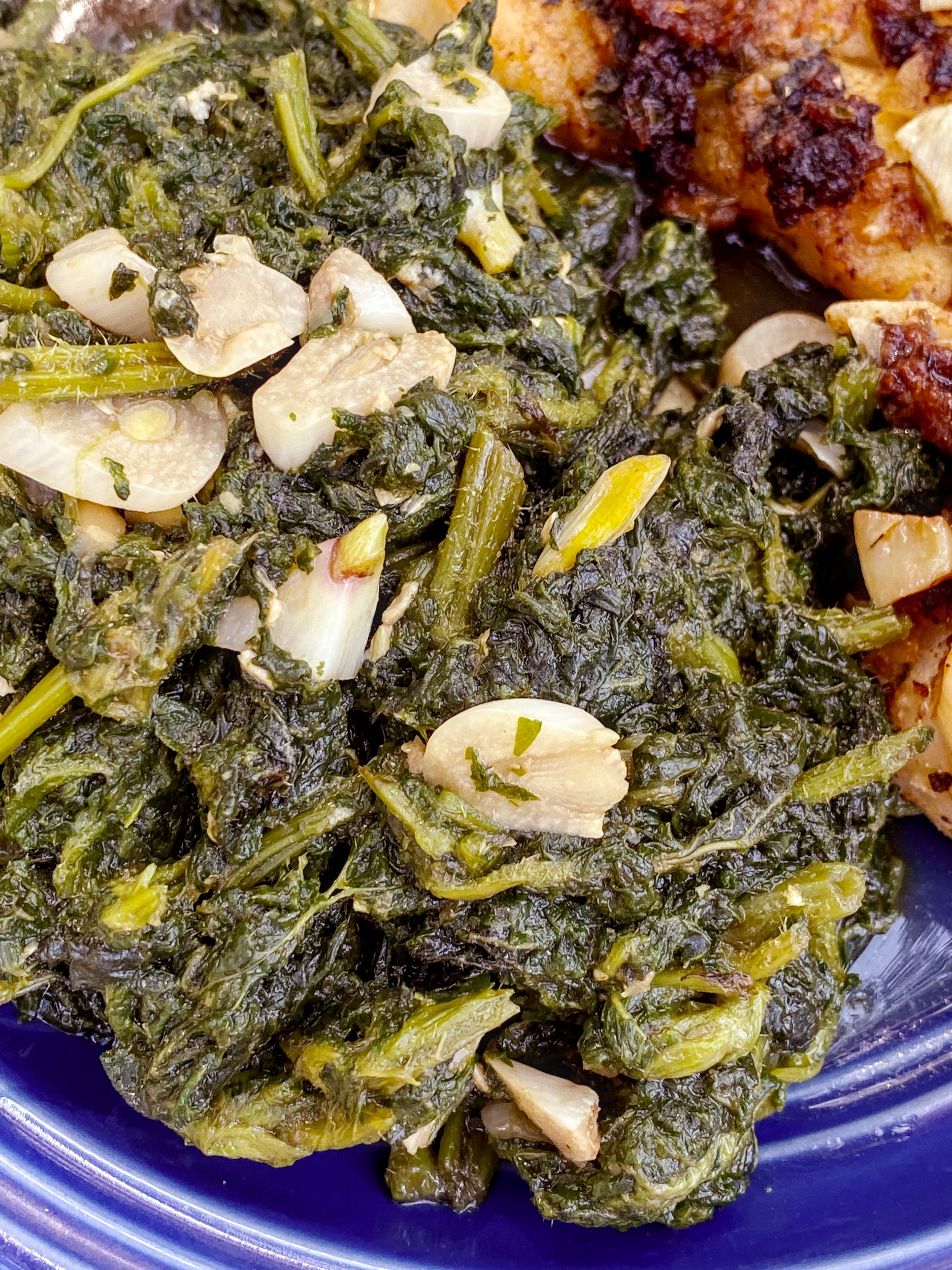
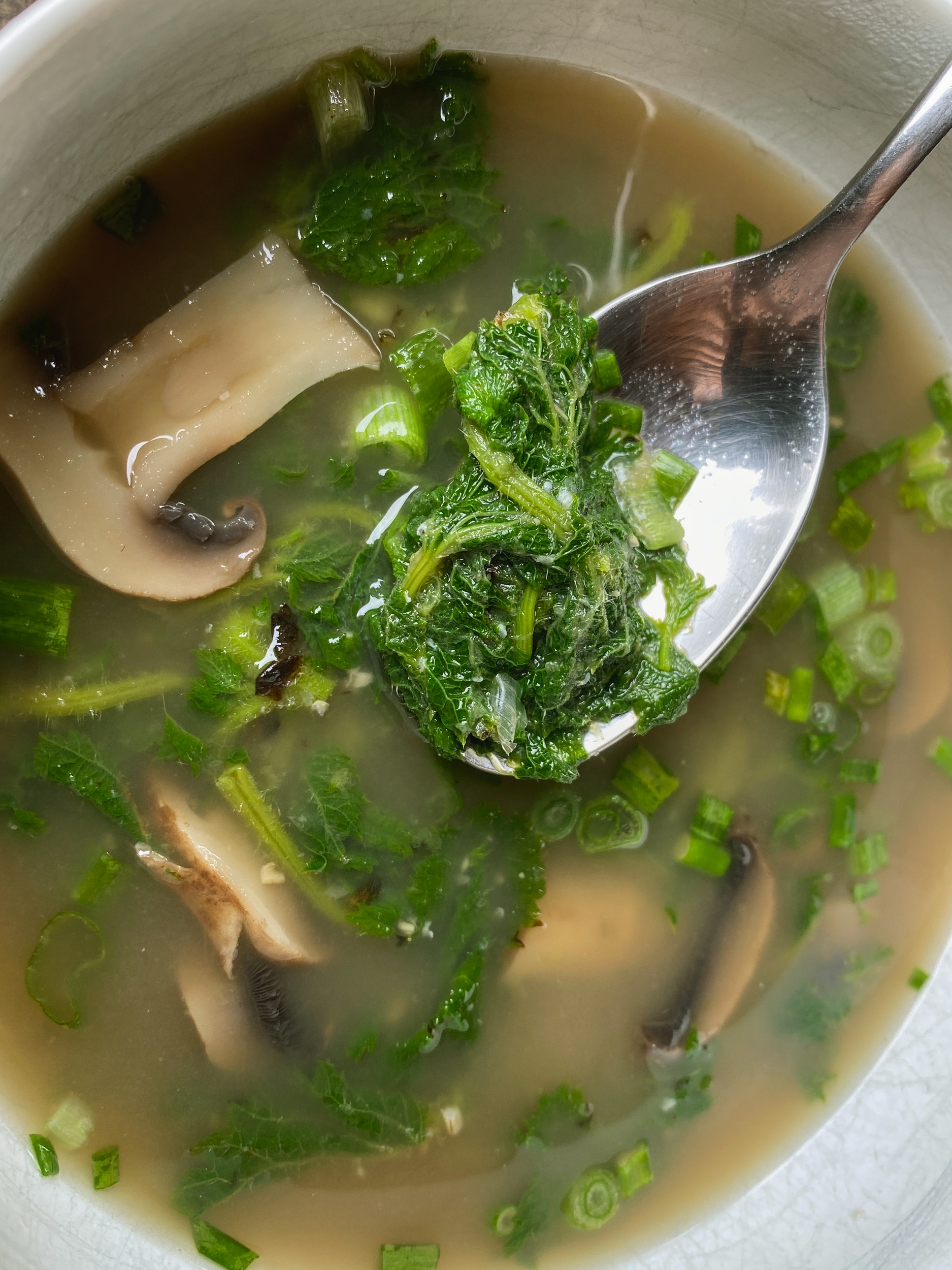
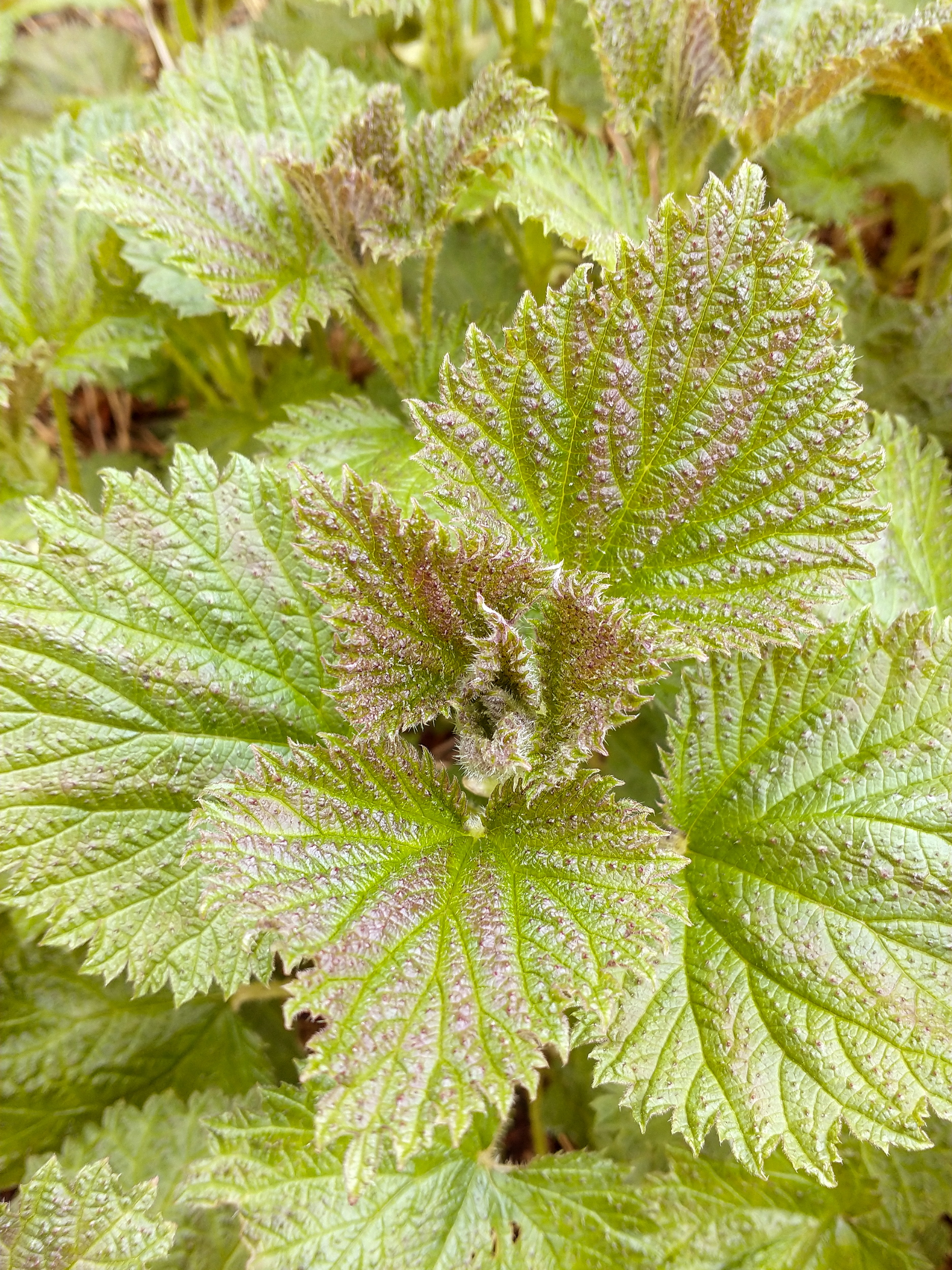
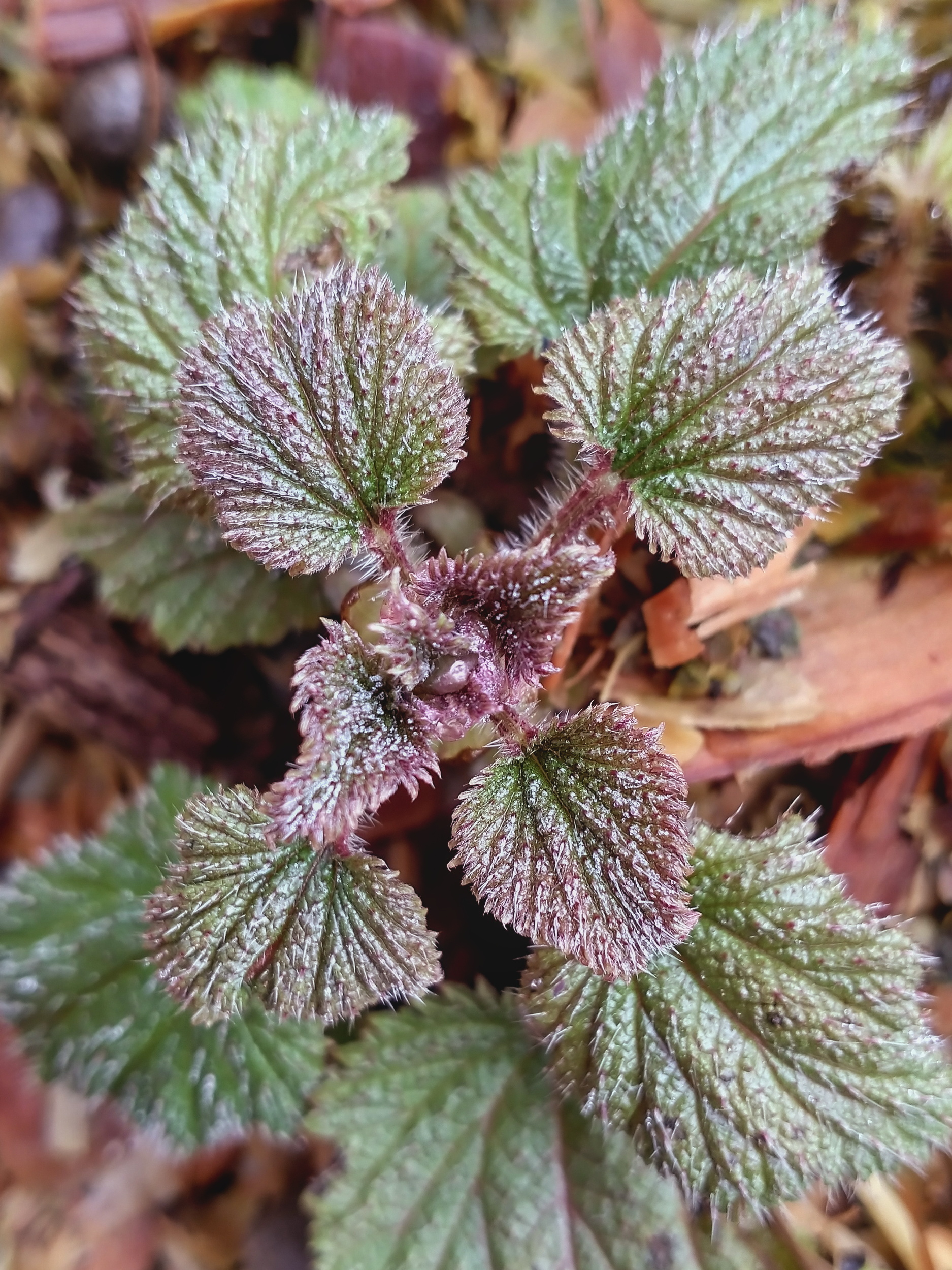
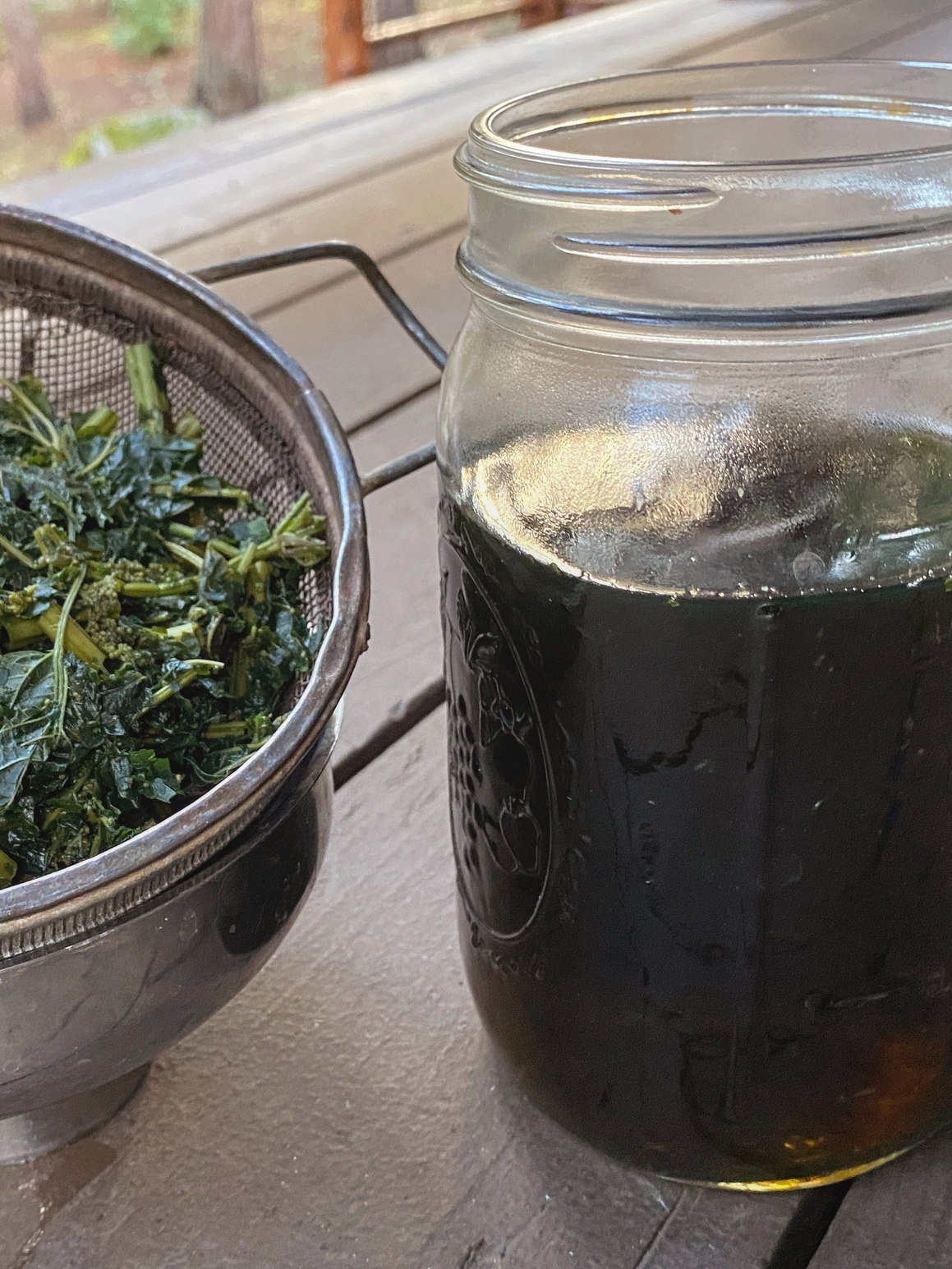
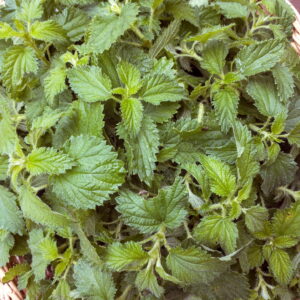
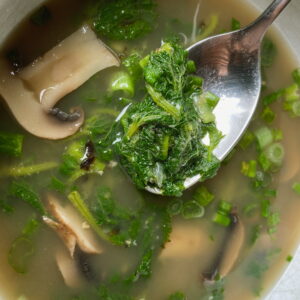
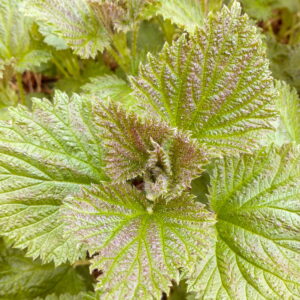
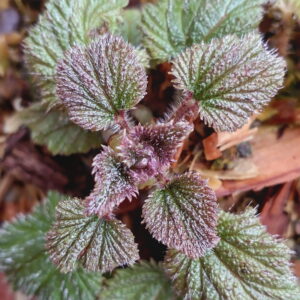
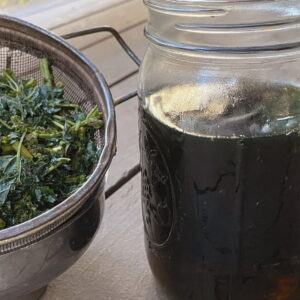
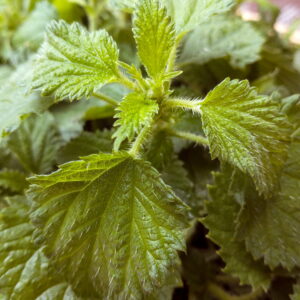
We relish the young Nettle leaves, who in the cold months of the late winter/early spring still have tinges of purple in them (so beautiful!). Coming out of winter we’re craving those greens and they taste so good simmered in water until the broth turns dark brown (it’ll be nearly black if left to sit overnight) and served with miso. Two ingredients! It’s that simple and so delicious.
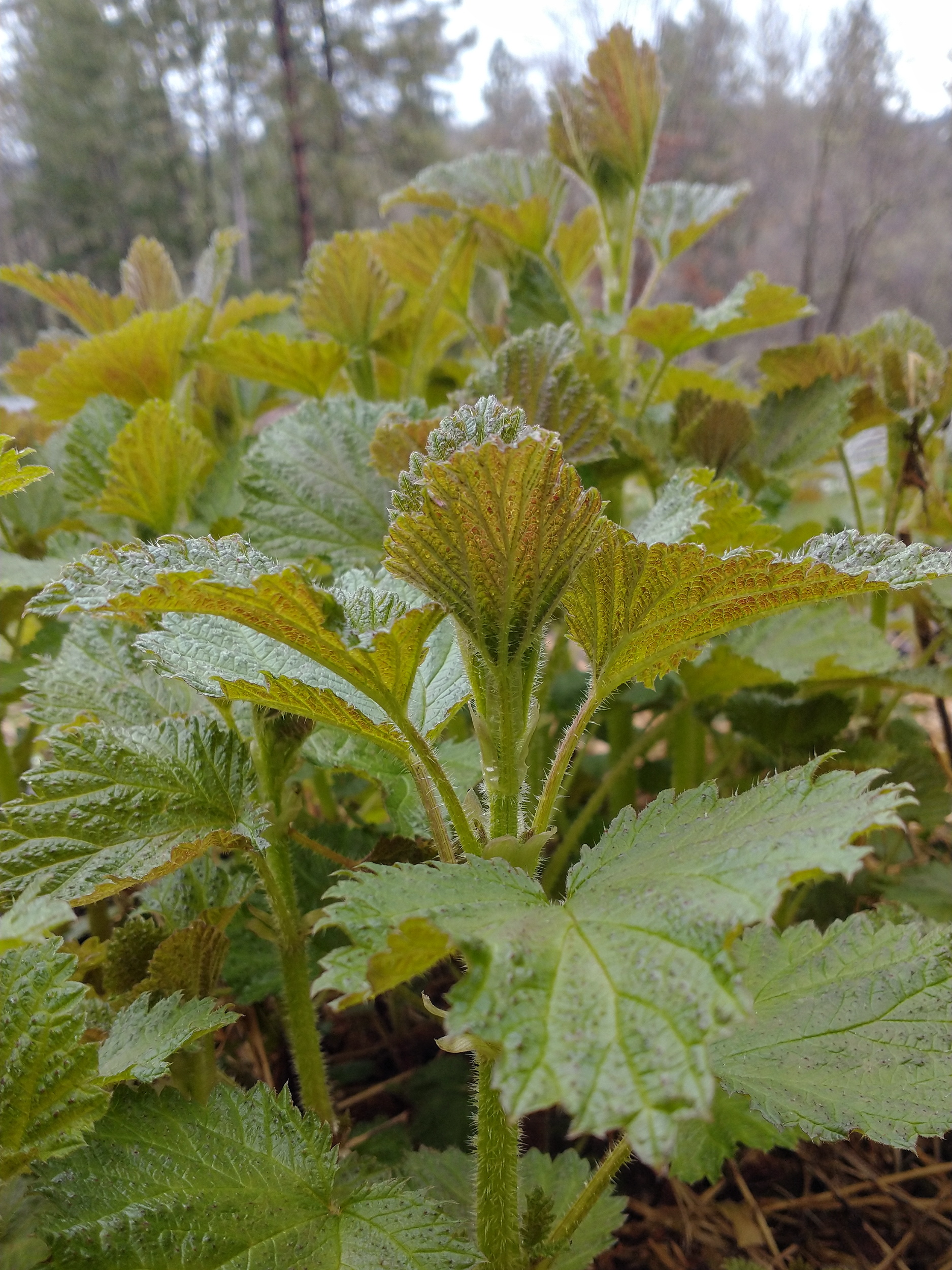
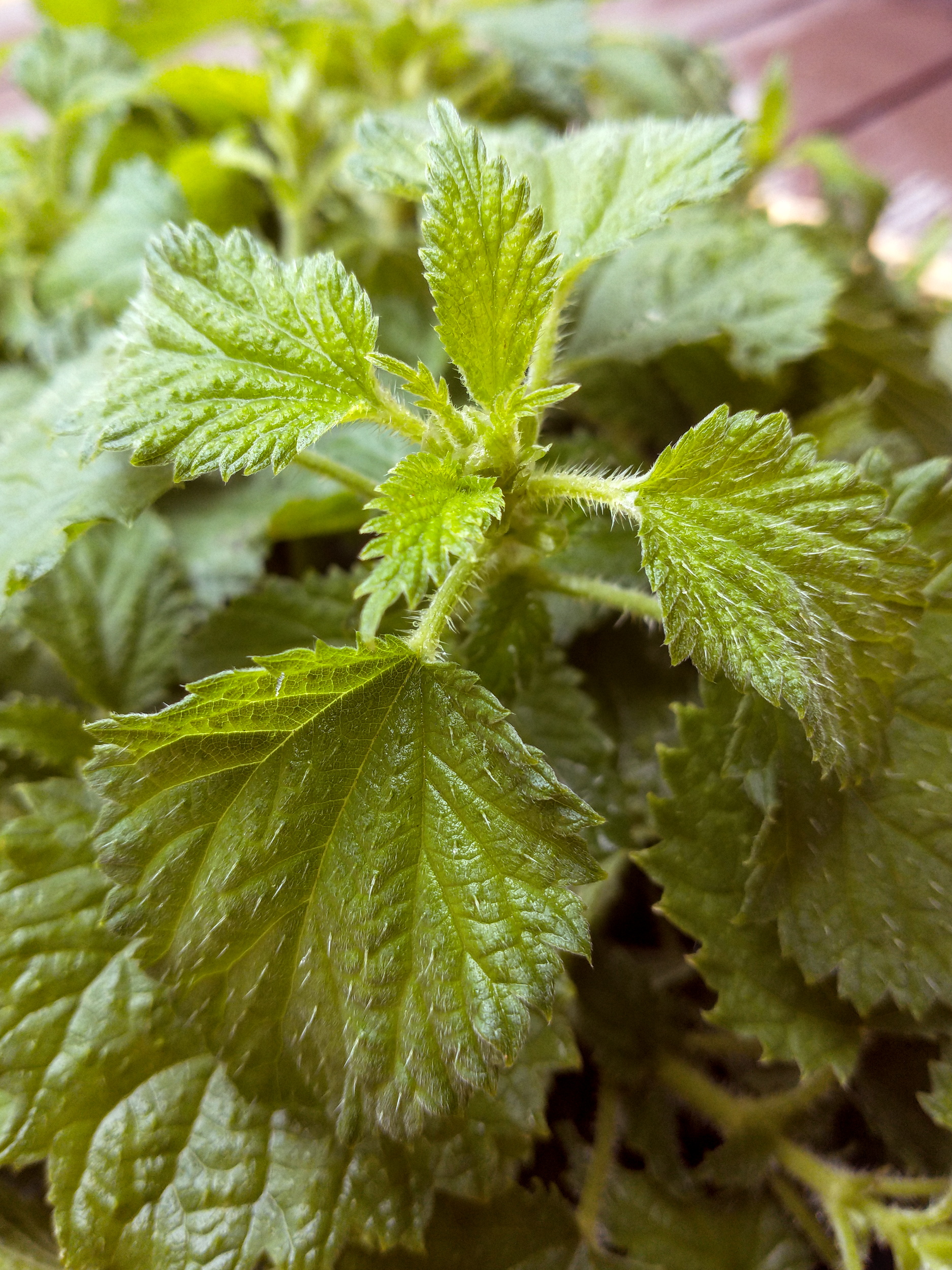
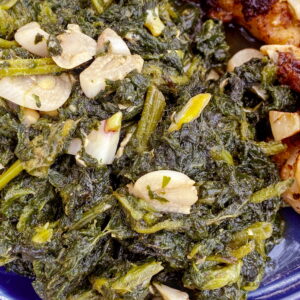
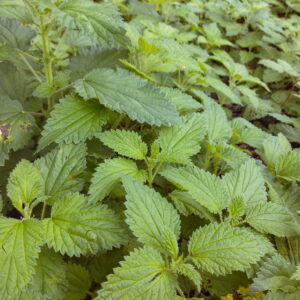
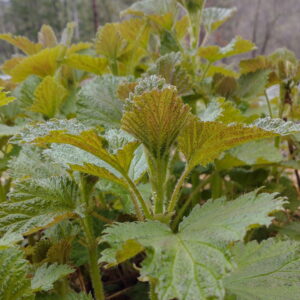
Tender Nettle tops are delicious in Nettle saag, quiches, omelettes, soups, pestos and as cooked greens. Stinging Nettles’ texture and flavor are unique, but her leaves are quite versatile and can be used how you might use any other leafy green.
Nettle leaves are high in protein and full of a wide range of minerals. Stinging Nettle Leaves and stalks are very high in calcium, magnesium and trace minerals, and high in many other minerals and vitamins. Eaten or drunk regularly, Stinging Nettle is a wonderful tonic. There is along list of ailments that Nettle purportedly resolves, and I believe many of them are simply due to the ample amount of nutrition Nettle delivers through a wide spectrum of minerals and vitamins. It might be hard to pinpoint the cause of some ailments being related to some level of malnutrition until we discover the health benefits of being well mineralized.
Nettle can offer rich nourishment, not only to us humans and livestock, but also to our garden plants and trees as liquid fertilizer when allowed to ferment and/or rot in water. Some orchardists and gardeners swear by Nettle as one of their primary fertilizers that can be easily home grown!
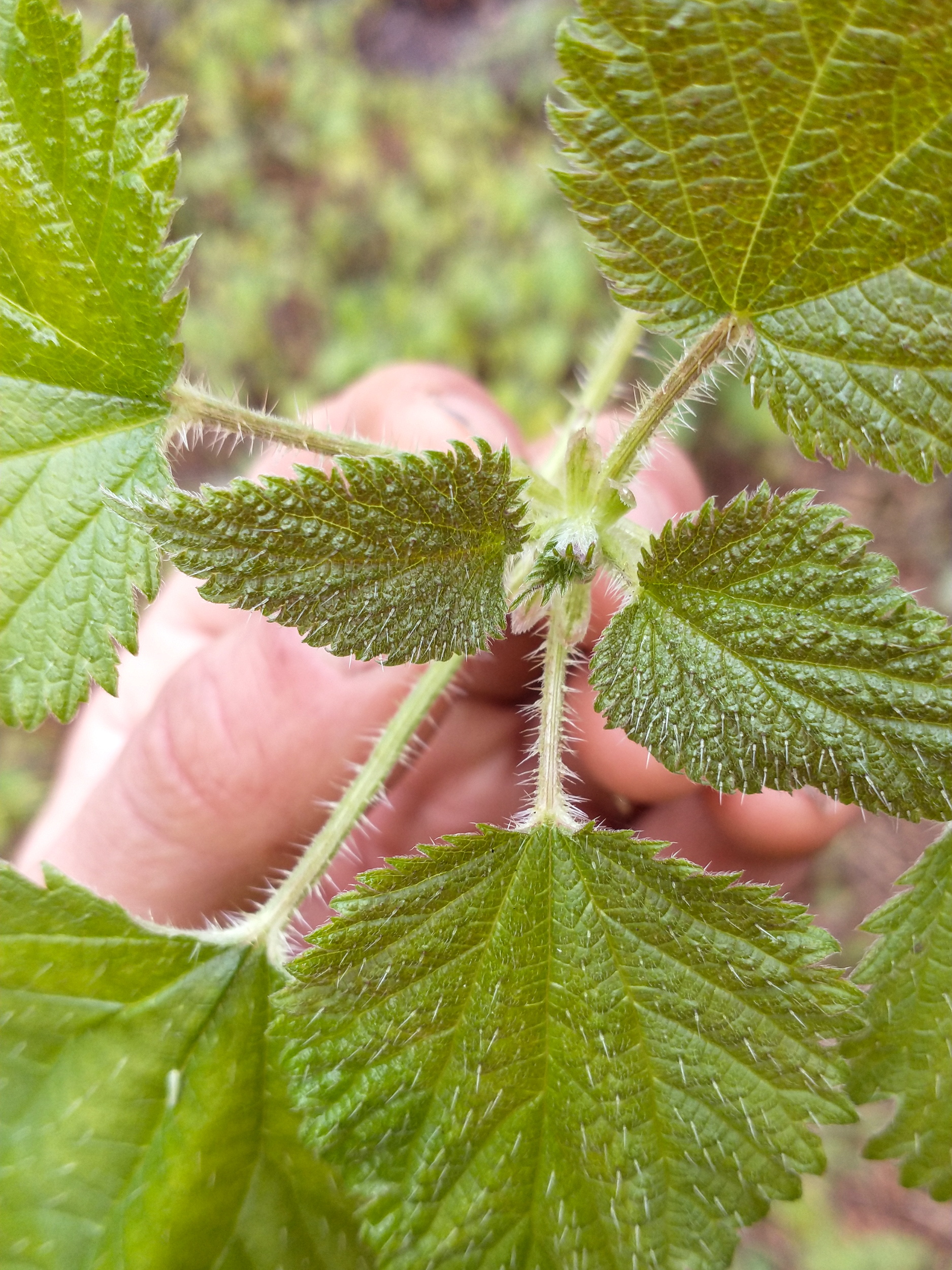
We should mention Stinging Nettle’s sting. While some of us gardeners, herbalists and plant lovers have grown accustomed to Nettle’s sting, it can be very unpleasant, especially when you’re not used to it or not expecting it.
Rest assured that Nettle’s sting is eliminated once the leaves are well cooked. You won’t even remember they were there! But if you do get stung by accident, the antidote to the sting found right in the juices of Nettle’s stalks and works nearly instantly. How convenient!
While Nettle’s sting leads many folks to wear gloves while harvesting and cooking Nettle, they are ready to offer medicinal benefits when needed. Nettle stings are anti-inflammatory and bring heat to the surface of the skin.
Nettle stings, called urtication when used for pain relief, are an excellent remedy for arthritis and painful swollen joints. After the sting wears off in a few minutes, fluid released from Nettle’s microscopic syringe-like hairs, including histamines, acetylcholine and formic acid, provide a cooling, tingling sensation, pain relief, improved circulation, better lymphatic flow and reduced inflammation that can last up to 12-24+ hours.
Modern medicine has now proven why Stinging Nettle was traditionally applied to relieve pain from rheumatoid arthritis, eczema and other inflamed states. I can recommend it first hand from trying it on myself, my mother and my friends with great results.
Stinging Nettle root can be used by older men to relieve inflamed prostates with great success when taken internally at least once daily. Dried Nettle root can be drunk as tea, but tincture is far more convenient, easier to consistently dose out and tastes better. I made a tincture of Nettle root for my father and he is getting great results when taking Nettle root along with Saw Palmetto tinctures daily.
Stinging Nettles offers many other cultural uses such as fiber. Nettle cordage is very strong and was highly prized for cordage before cotton and nylon became dominant. Nettle fiber can be used to make cloth too, and the finest cloth can be made from Nettle fibers, second only to silk. Perhaps the primary reasons Nettle fibers isn’t still in widespread use today is that it requires deep, rich soil for tall stalks and industrial mechanization was difficult to implement.
As if that wasn’t enough, Stinging Nettle can be used for:
- Permanent green natural die from the leaves and stalks and a yellow natural die from the roots
- Rennet for cheese making
- Paper making
- An excellent hair rinse for dry scalps
In the garden, Stinging Nettle is a joy to grow with. Nettle has taught me so much about slowing down and being present during harvest time and during my visits with Nettle throughout the season.
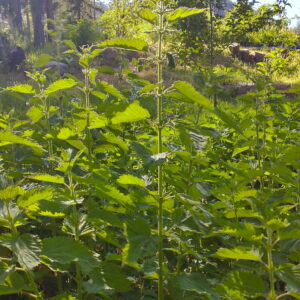
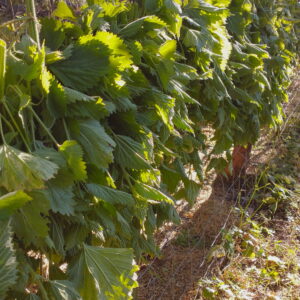
Nettles is a vigorous grower and in the right conditions she will really thrive and produce abundantly. Nettles loves part-shade or dappled light, deep rich soils and plenty of moisture.
As a vibrant weed, it’s no wonder Nettle has the ability to draw out so many minerals from the soil. The Nettle we grow with came from nearby wild genetics. It shows too, because in our climate with arid summers, Nettle can handle extended periods without water.
In the heat of the summer I deep water the part-shade Nettle patch only ever 2-3 weeks. The Nettle plants slow down during that time, compared to if they had more water, but they still do really well despite the thin clay soils. I was surprised because Nettle primarily loves to grow in riparian areas.
Even still, we give Nettle her own spaces outside our primary garden, where she can really spread out and feel at home. I’m also establishing some Nettle plants in our fruit orchard where she will be a fantastic companion and help nourish the soil and other nearby plants.
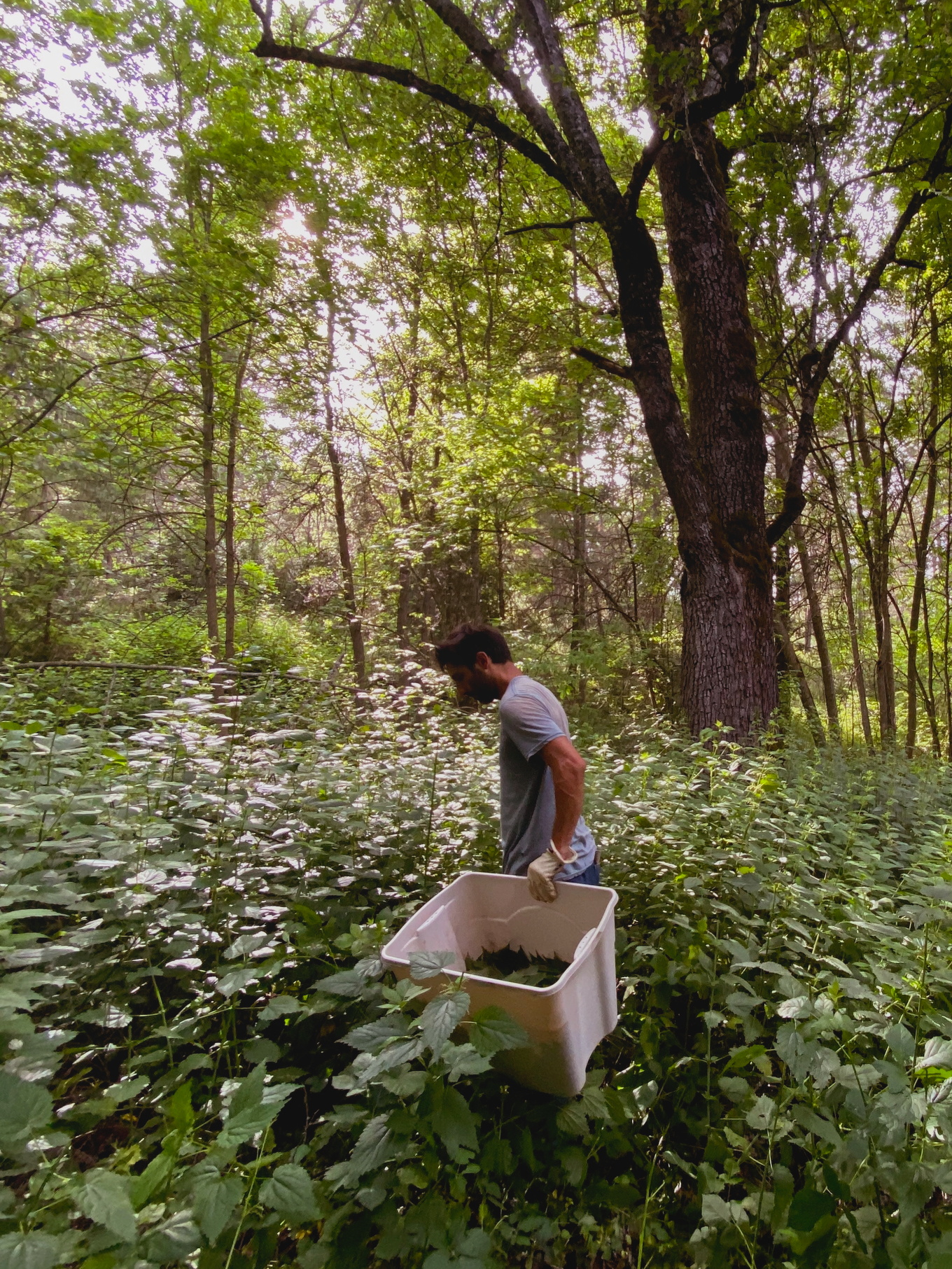
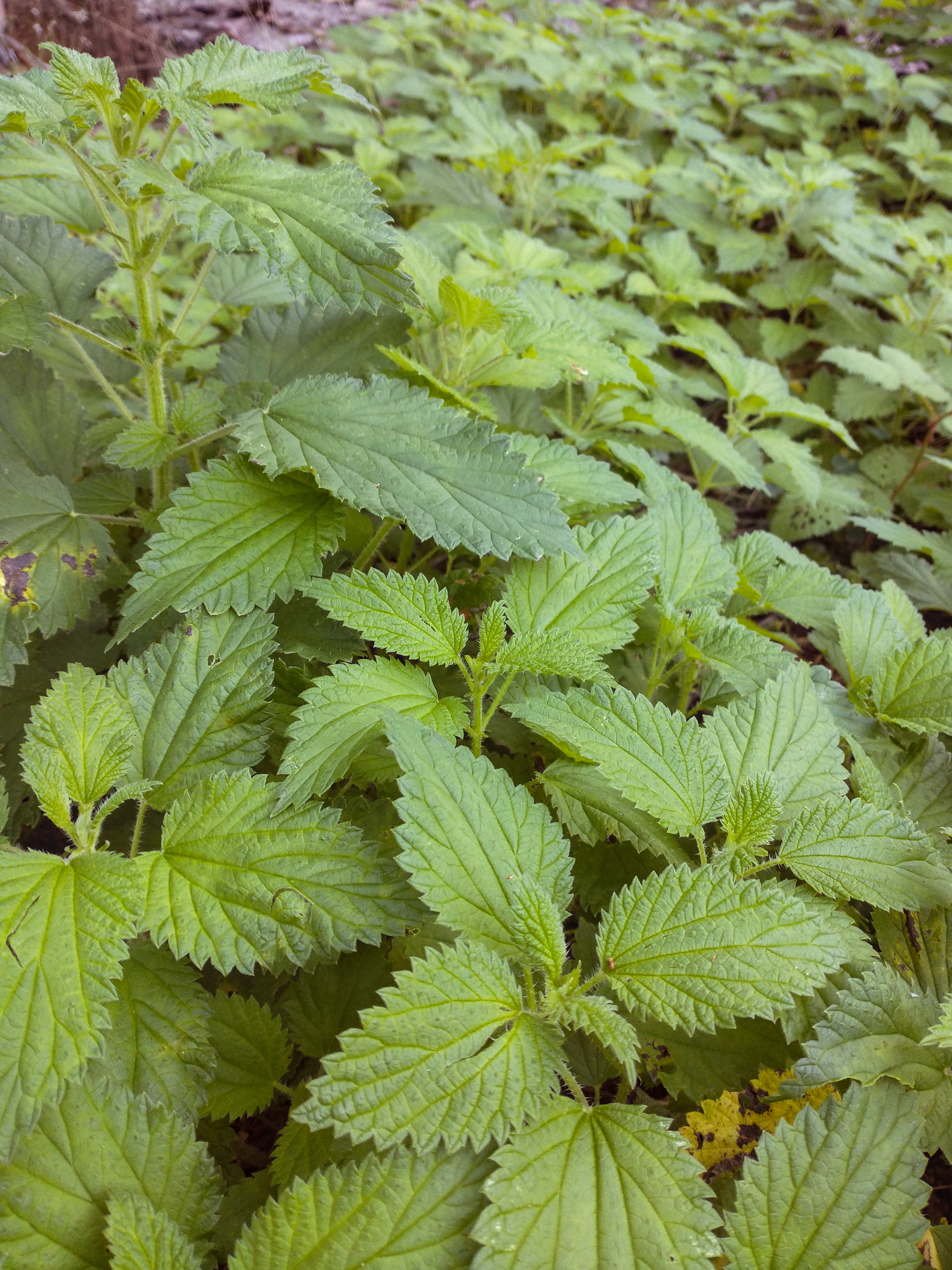
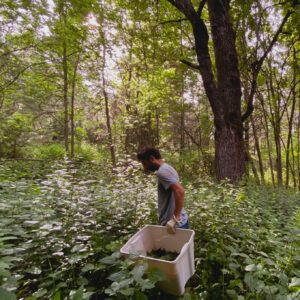
If tended carefully, an established Nettle patch will reward you with fresh greens the entire season. Every two to three weeks, snip the tender tops and stem down to the ground and into your harvest basket. Continue harvesting this way the Nettles won’t flower and die back, extending your fresh greens all season long.
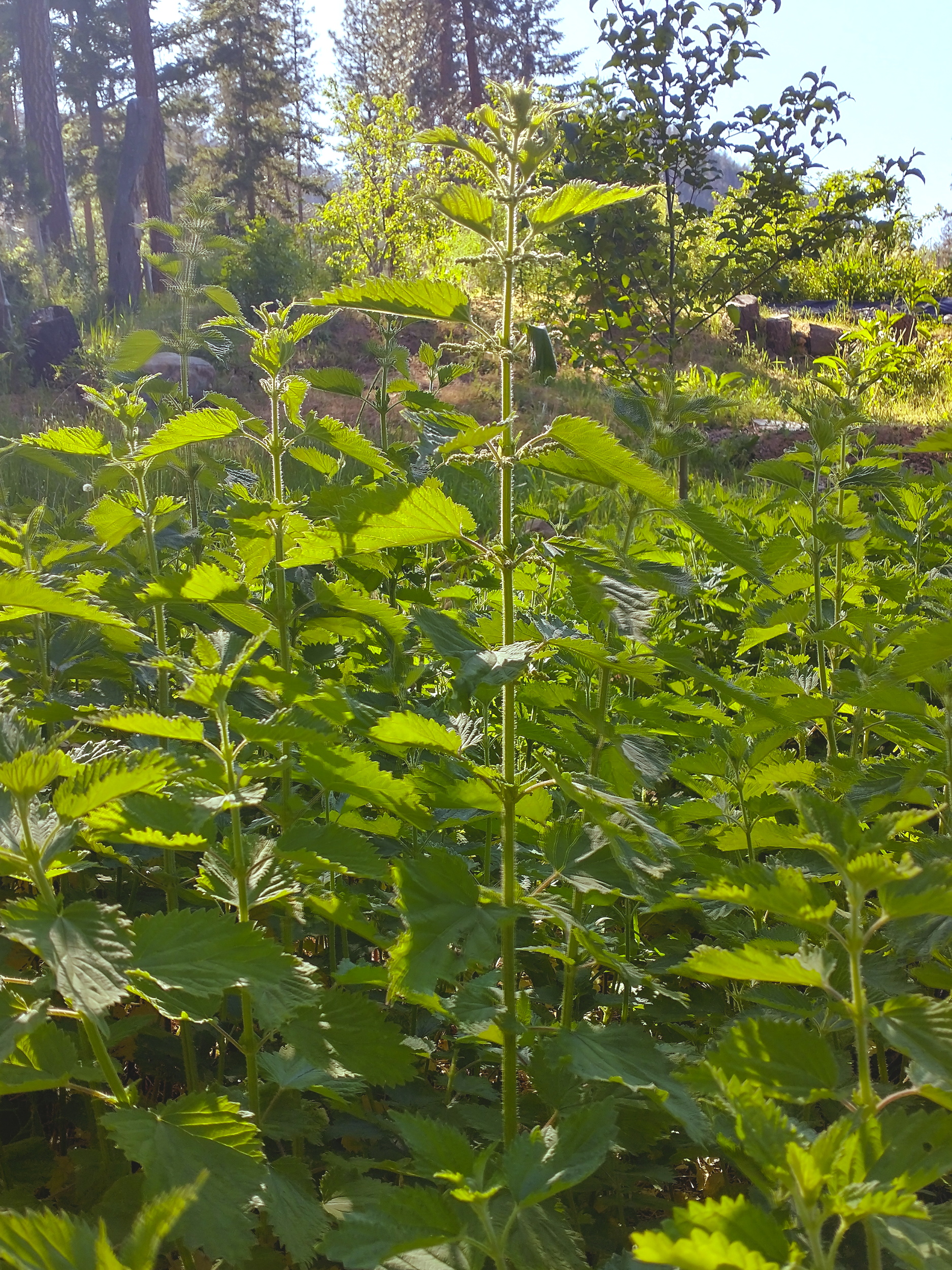
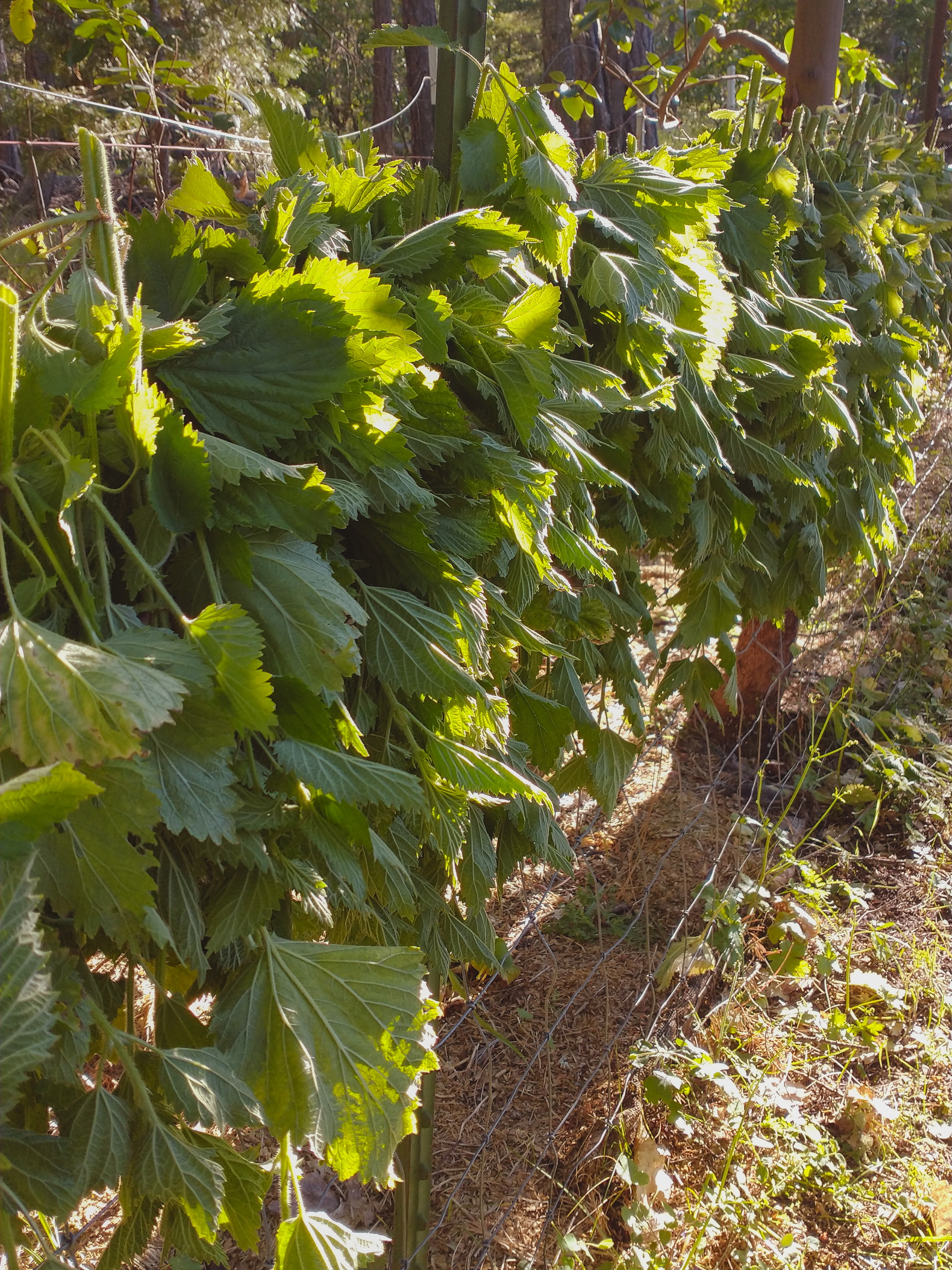
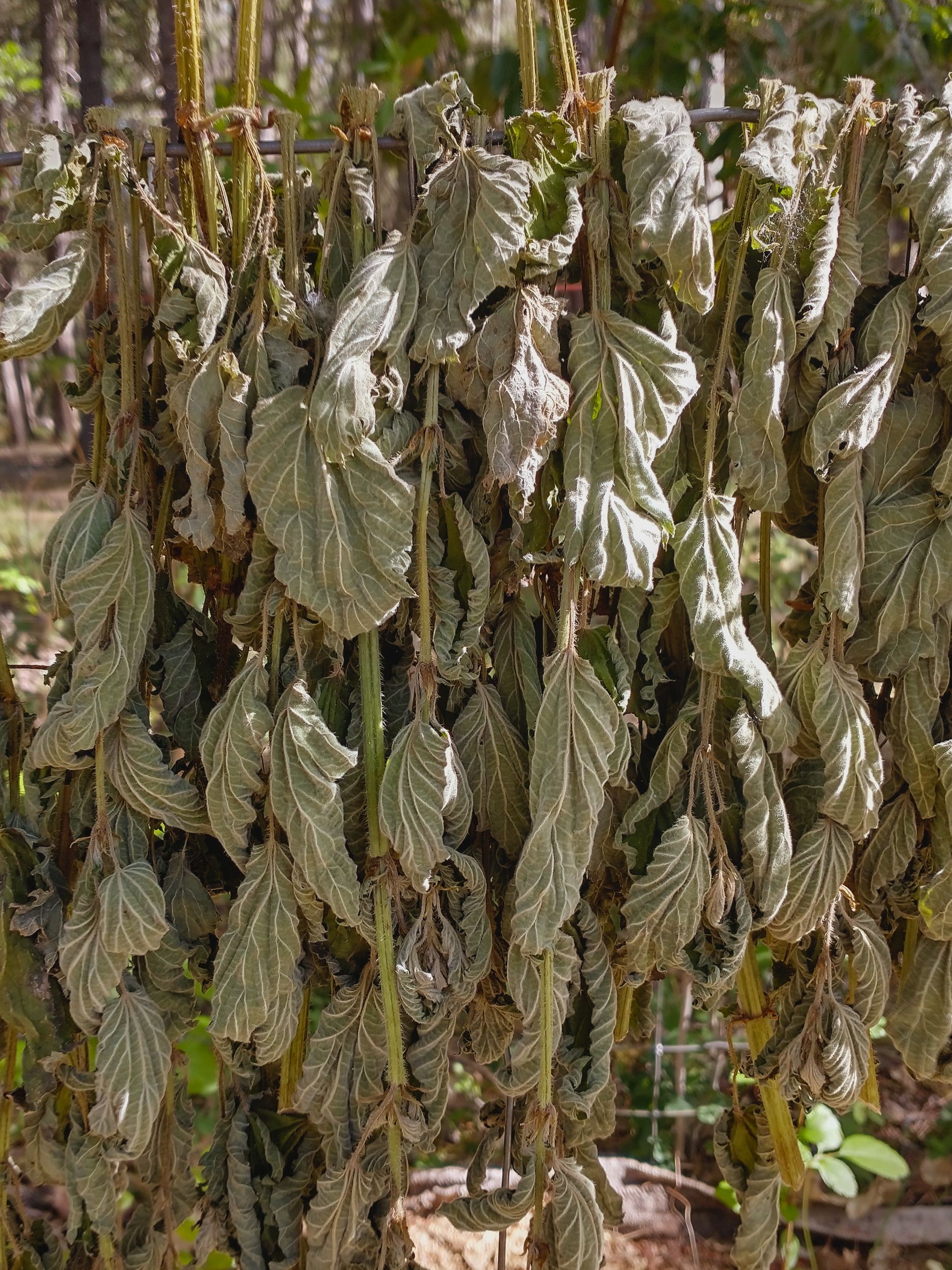
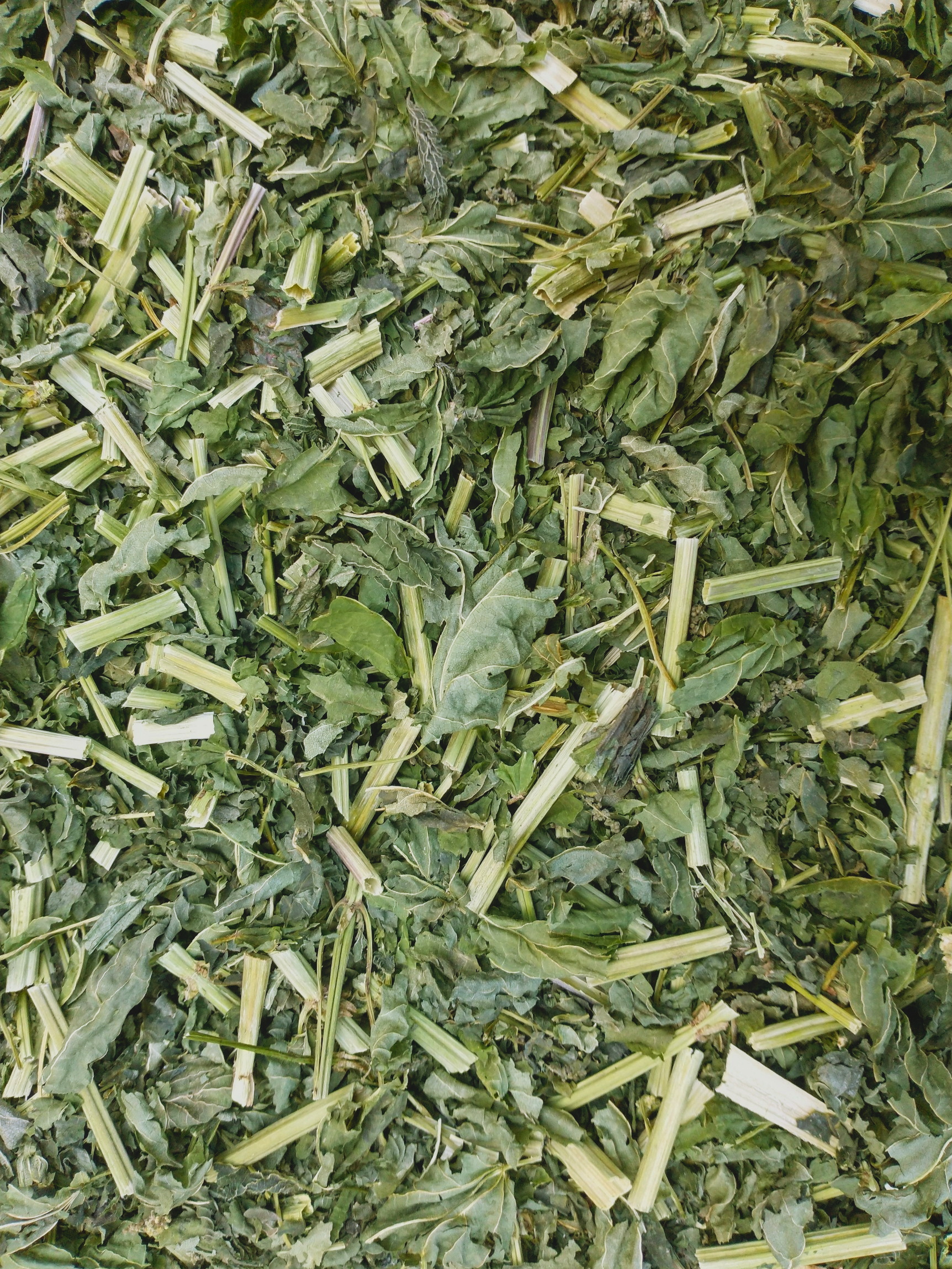
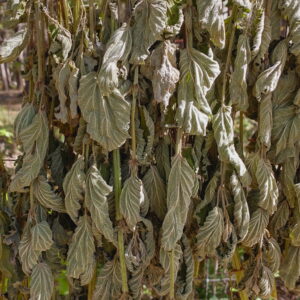
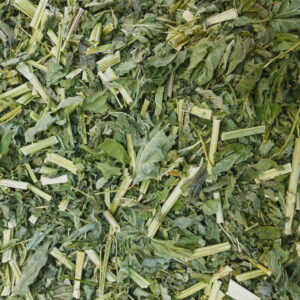
We also let some of our Stinging Nettles grow tall and harvest the entire stalk with their large dark leaves before it flowers and sets seeds. After hanging up or spread out to dry, the stalks and leaves can be cut up and stored in paper bags. We use our dried nettle leaves to make herbal infusions that we drink throughout the year to enrich our bodies with minerals.
Nettle doesn’t really have any disease or pest issues in our garden. Some of the leaves get holes in them eaten by leaf hoppers I believe, but even then it’s not horribly extensive and we get our fair share. I don’t mind sharing the wealth of nourishment with the little critters so that they can make a living too.
As you can tell we are quite enamored with Stinging Nettle! I am honored to share Nettle seeds with you and your garden.
I could go on and on about Nettle, I really could! Want to learn more about Stinging Nettle in the garden, kitchen, apothecary and crafts? Check out our free comprehensive homesteader’s plant profile on Stinging Nettle.
Details
Lifecycle: Perennial
Lifespan: Indefinitely in favorable conditions
Hardiness zones: 3-10 (USDA)
Habitats: Forests, creeksides, disturbed soils, hedgerows around the world
Plant size: 3 ft wide x 4+ ft tall
Light: Full sun to part shade
Soil: All soil types
Water: Regular moisture preferred
Seed Starting
Stinging Nettle seeds do not require any pre-treatment, but a 2-4 week period of moist, cold stratification can help speed up germination and increase the germination rate. If you experience cold winters, consider sowing seeds in late winter/early spring when nighttime temperatures are still cold, or consider pre-stratifying the seeds in the fridge, for faster, more even germination.
Sow Stinging Nettle seeds in the spring in pots or flats, don’t cover, or just barely cove the seeds with soil. Stinging nettle seeds are light sensitive, and need light to germinate. Keep the soil evenly moist until seeds sprout. Once they are big enough to handle, divide the plants and pot up for the first season. Plant them in their final position in the fall or following late winter/early spring.
Cultivation
Stinging Nettle does best in deep rich soil with regular moisture. That said, Stinging Nettle is a weed and is adaptable to various soils and conditions.
Stinging Nettle spreads rather vigorously in soils that it likes so take care to plant it somewhere you wouldn’t mind it spreading. The roots can run a few feet in a season.
Harvest
The tender new leaves are less fibrous than the bigger older leaves. We harvest tender tops for fresh eating throughout the season and the larger stalks and leaves are harvested to dry before the plants flower and set seed for drying for drinking as herbal infusions.
Propagation
The easiest way to propagate Stinging Nettle is vegetatively by digging up and cutting segments of the yellow rhizomes retaining at least a few root nodes in the fall, winter or early spring. Transplant the rhizome immediately.
Seed Saving
Most Stinging Nettle plants are dioecious, so you’ll need both male and female plants to produce seeds. Wait for Nettle to flower and then look for the flowers to turn brown. The flowers are small and nondescript because Stinging Nettle is wind pollinated, and it can be hard to tell when the seed is ready other than looking for the color change. Also you’ll want to look for the female flowers because they have the seeds. Female Nettle flowers are more dangly and hang in clusters, compared to the male flowers which are more sparse and splay out a bit more horizontally. Harvest individual female seed clusters, or harvest the top 1/3 of nettle stalks with all brown or mostly brown flowers and carefully (the seeds drop easily) turn the top of the stalk upside down and place into a paper bag. After the plants dry, shake it to release the seeds in the bag. You can also thresh/release the seeds by rubbing the seedheads. Screen the seeds through a fine mesh sieve and/or winnow the seeds if cleaner seeds are desired for eating or sharing.


Such great information! Thank you.
We’re so glad you found this resource helpful! It is our intention to share and inspire as much as we can 💚