









Description
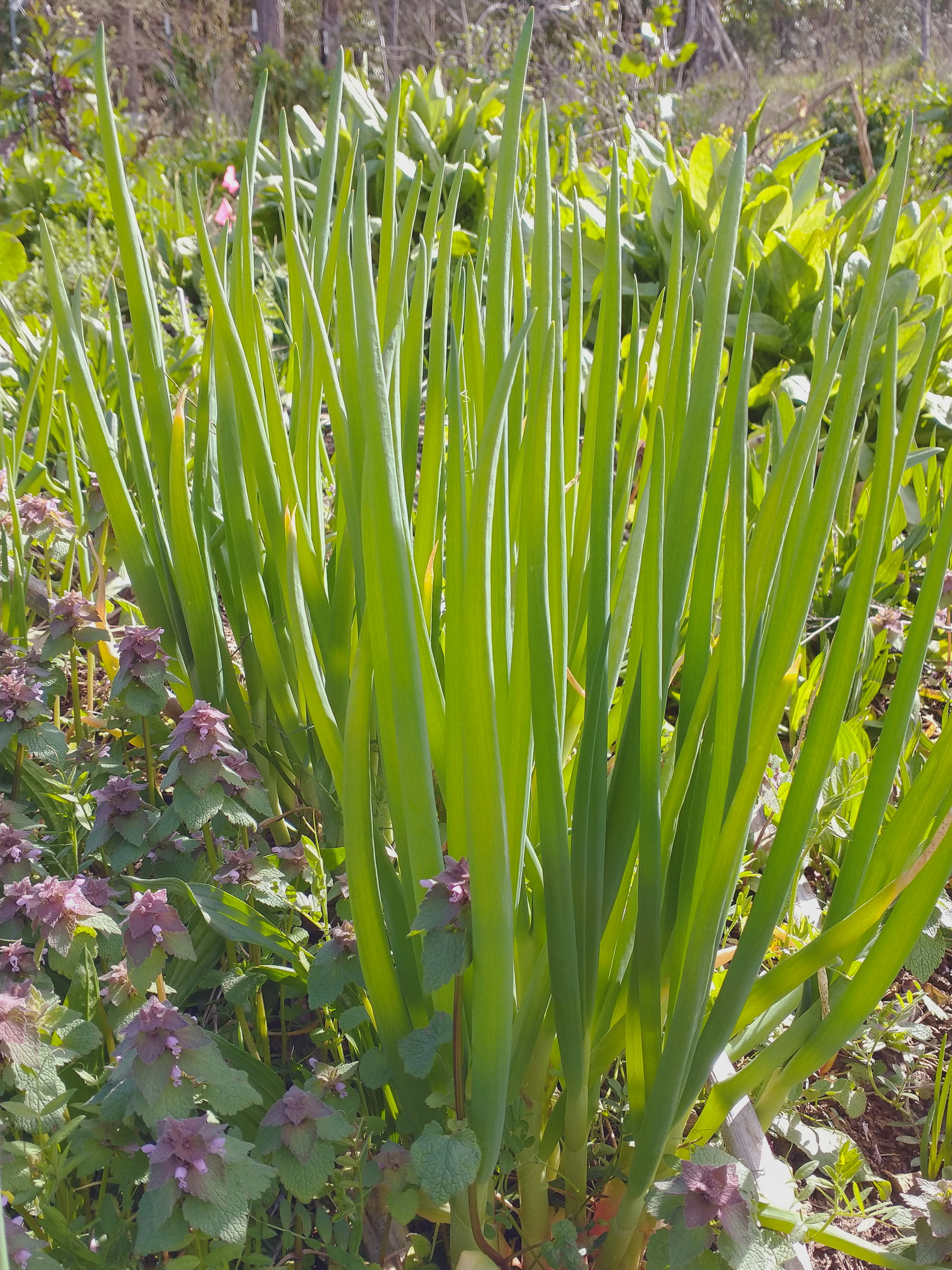
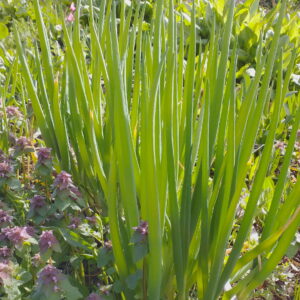
Egyptian walking onions are truly a delight to grow in the garden. We enjoy their beauty and abundant green onions provided through the spring, fall and winter in our climate.
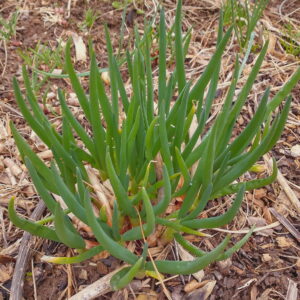
As a perennial onion, walking onions continually bunch up and make new plants. After planting them once, they keep on living. Even if the original onion dies, the clones survive and continue multiplying.
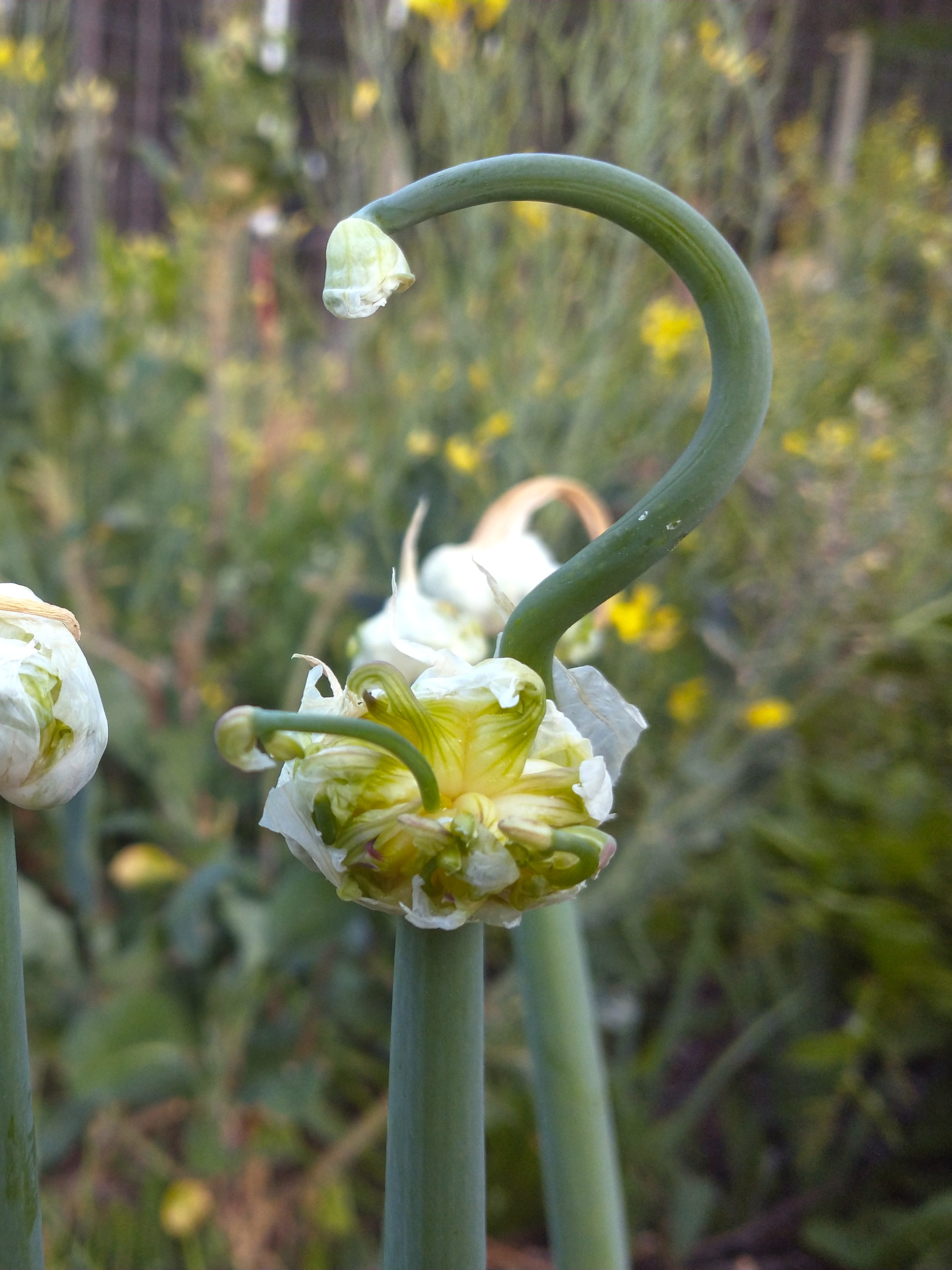
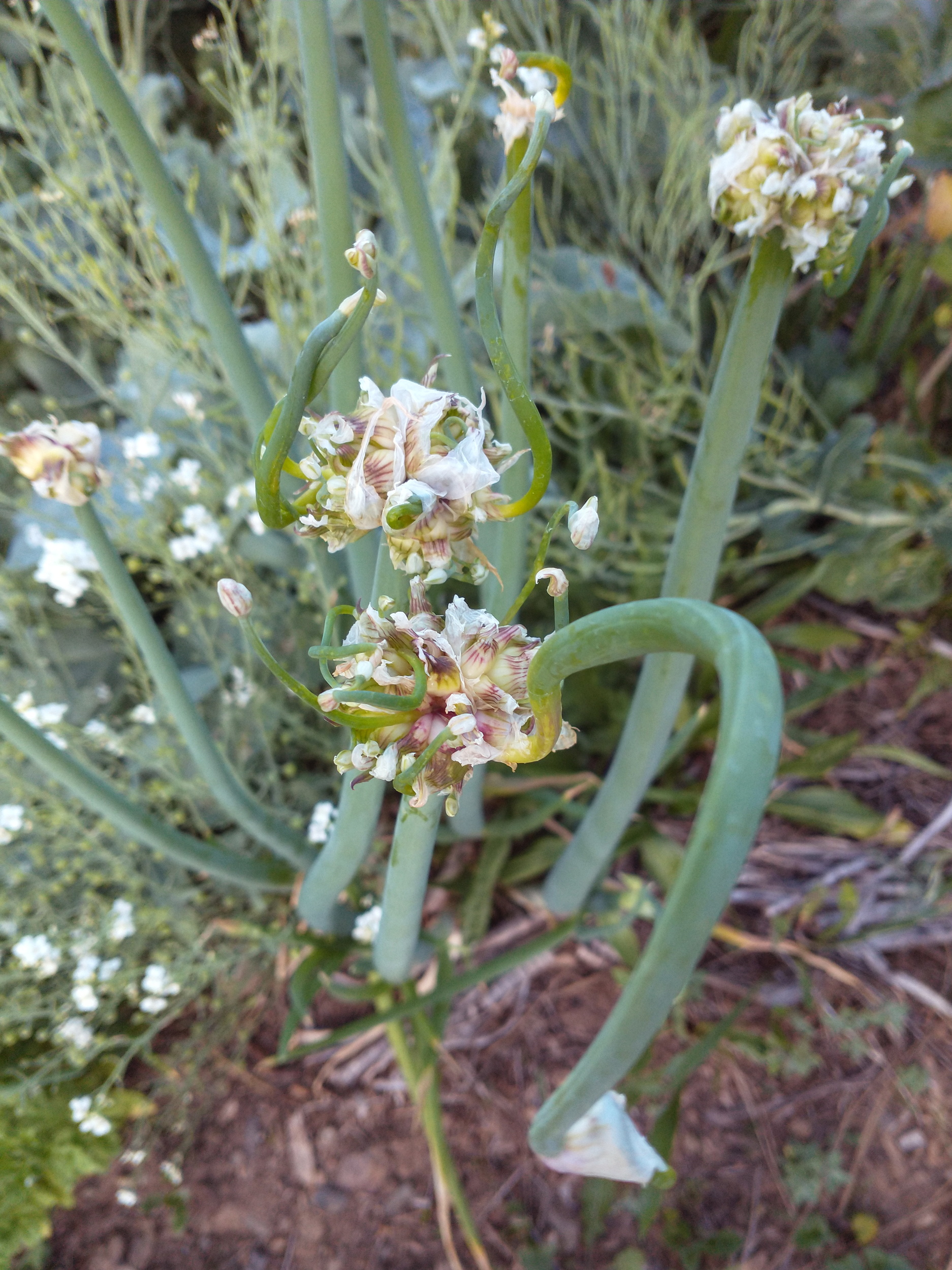
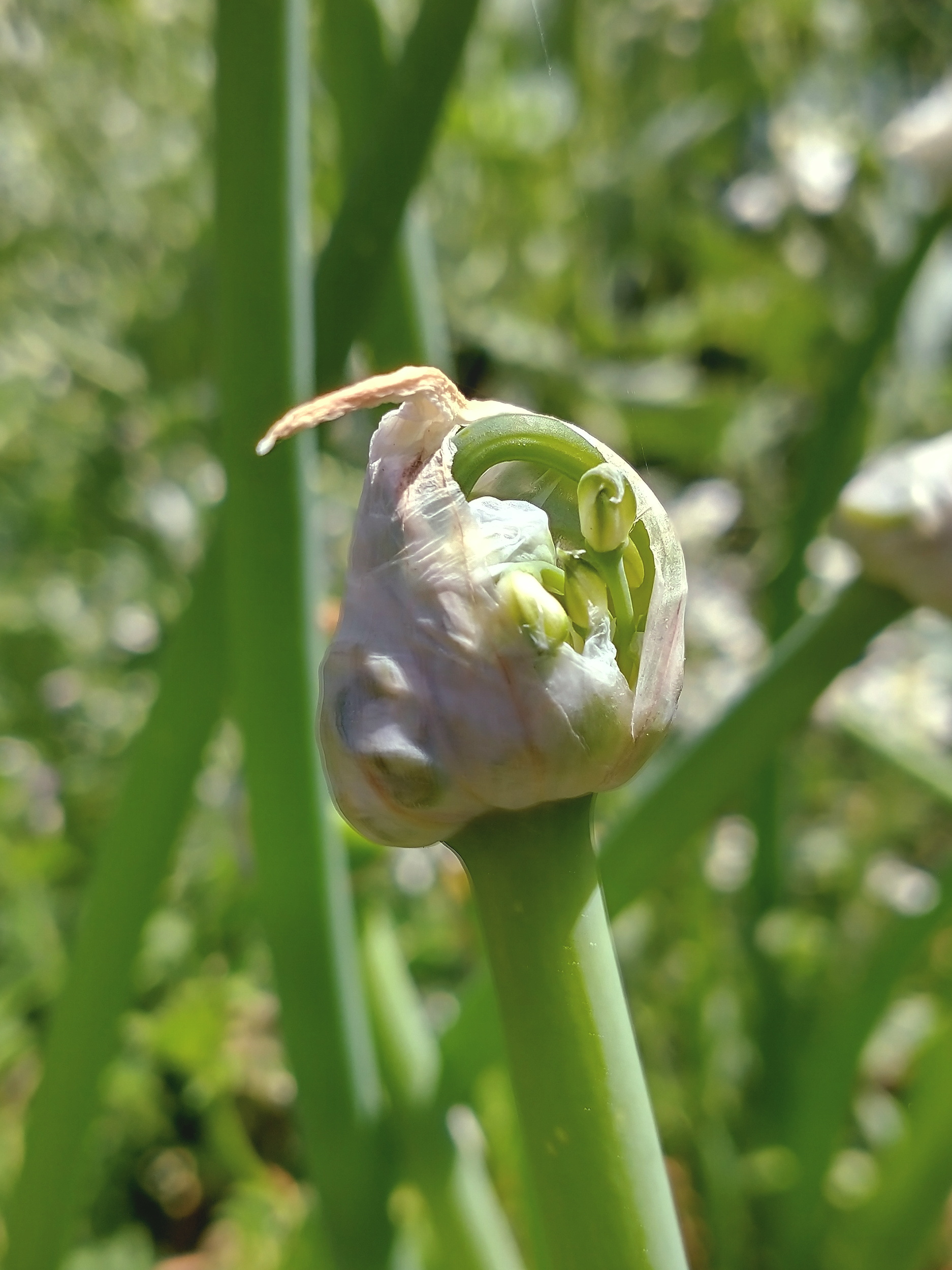
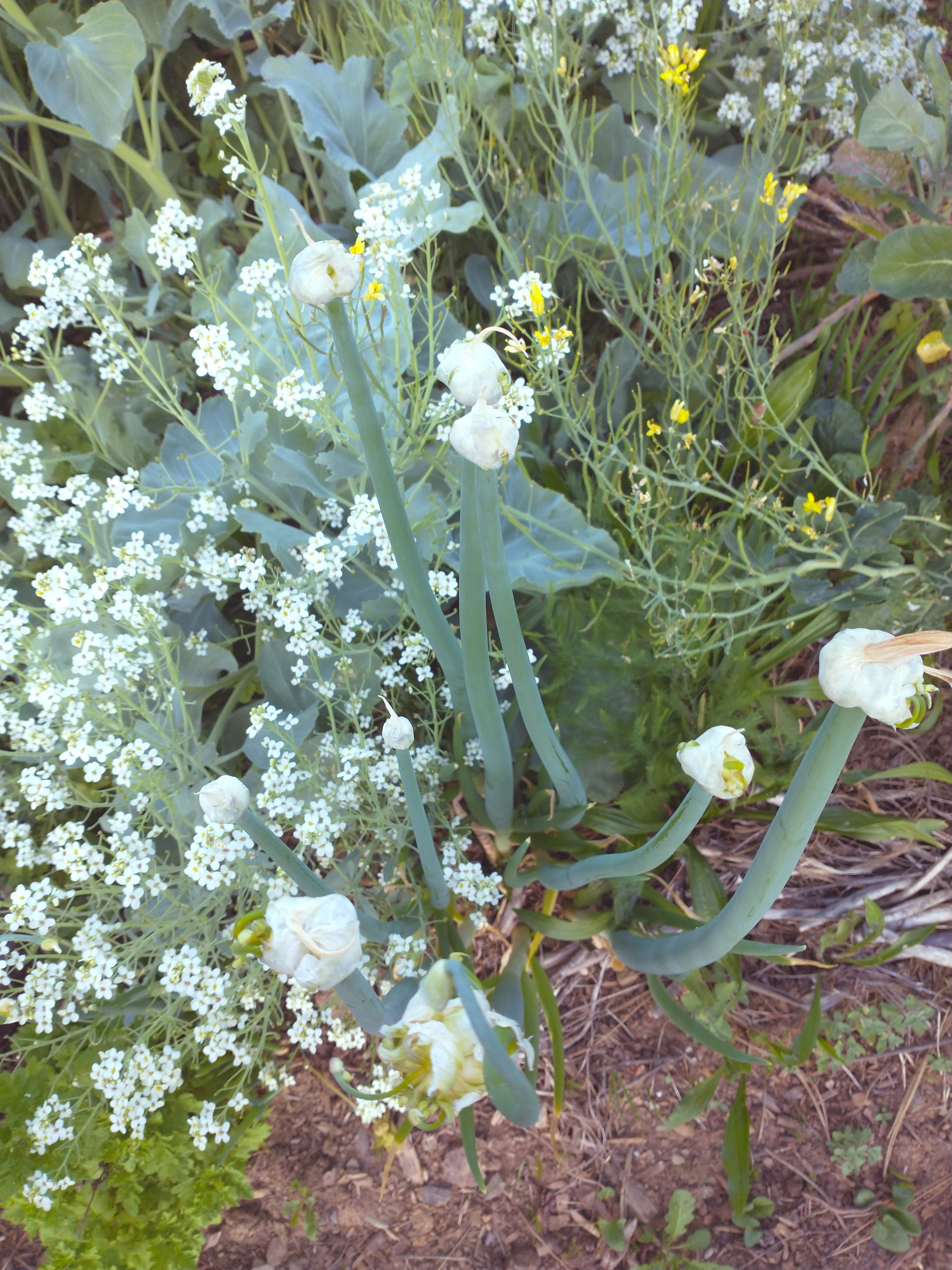
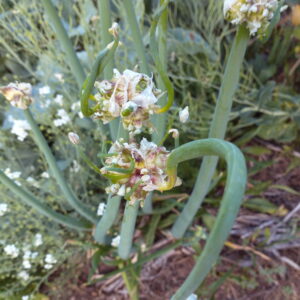
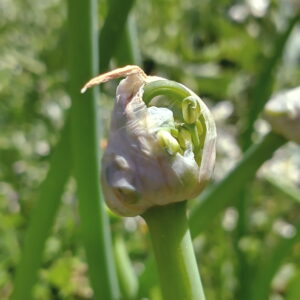
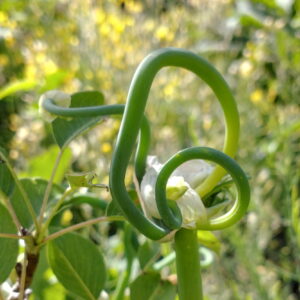
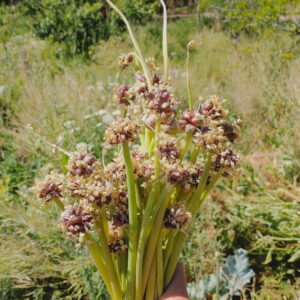
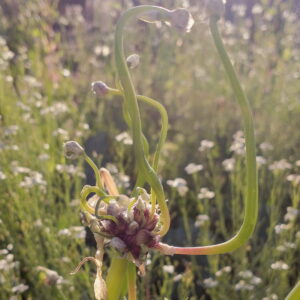
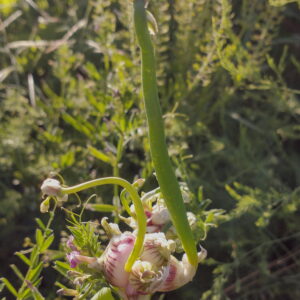
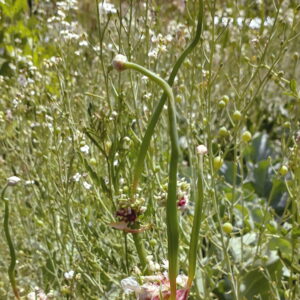
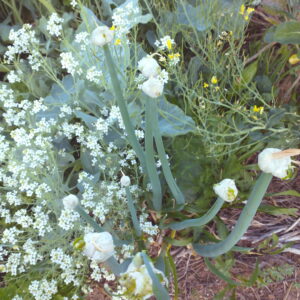
What’s more, they also make new mini onions on top of their flower stalk, called aerial bulbils (aka topsets). Come late spring, the whimsical aerial bulbils are tiny onions growing upon onions. It’s such a fun surprise in the garden each season. Each topset is completely unique. I enjoy visiting them daily to watch them unfurl from their papery sheath.
The topsets eventually bend over by fall or winter and replant themselves, usually a few inches to a foot or two away from the parent plant.
You can end up with quite a large patch of Egyptian walking onions in just a few seasons, especially if you help it divide and spread. Endless onions for the rest of your lifetime!
Over time new onions will grow, taking another step away from the original plant each season. This is how they got their name, walking onions. However, the walking onion doesn’t come from Egypt, rather it originates in India or Pakistan.
I love how tough walking onions are, because they can handle periods of drought and stress. However with moist, fertile conditions walking onions will thrive and reward you with a lot of lush green onions.
Our family loves to eat the green onions in soups and eggs especially, but they are delicious in just about anything and you can use them exactly how you use scallions.
The aerial bulbils are so whimsical and fun as they are growing in late spring. They often grow into curly or question mark shapes and even make a second set of bulbils on top of another mini green onion. It’s so fractal!
In summer when the flower stalks yellow, if we aren’t replanting them, we harvest aerial bulbils and cure them like we cure any bulb onion. Those bulbils will last for months, until the following spring at least, for using as food in the kitchen.
The walking onion aerial bulbils make great broth and we also use them like pearl onions in baking and stews.
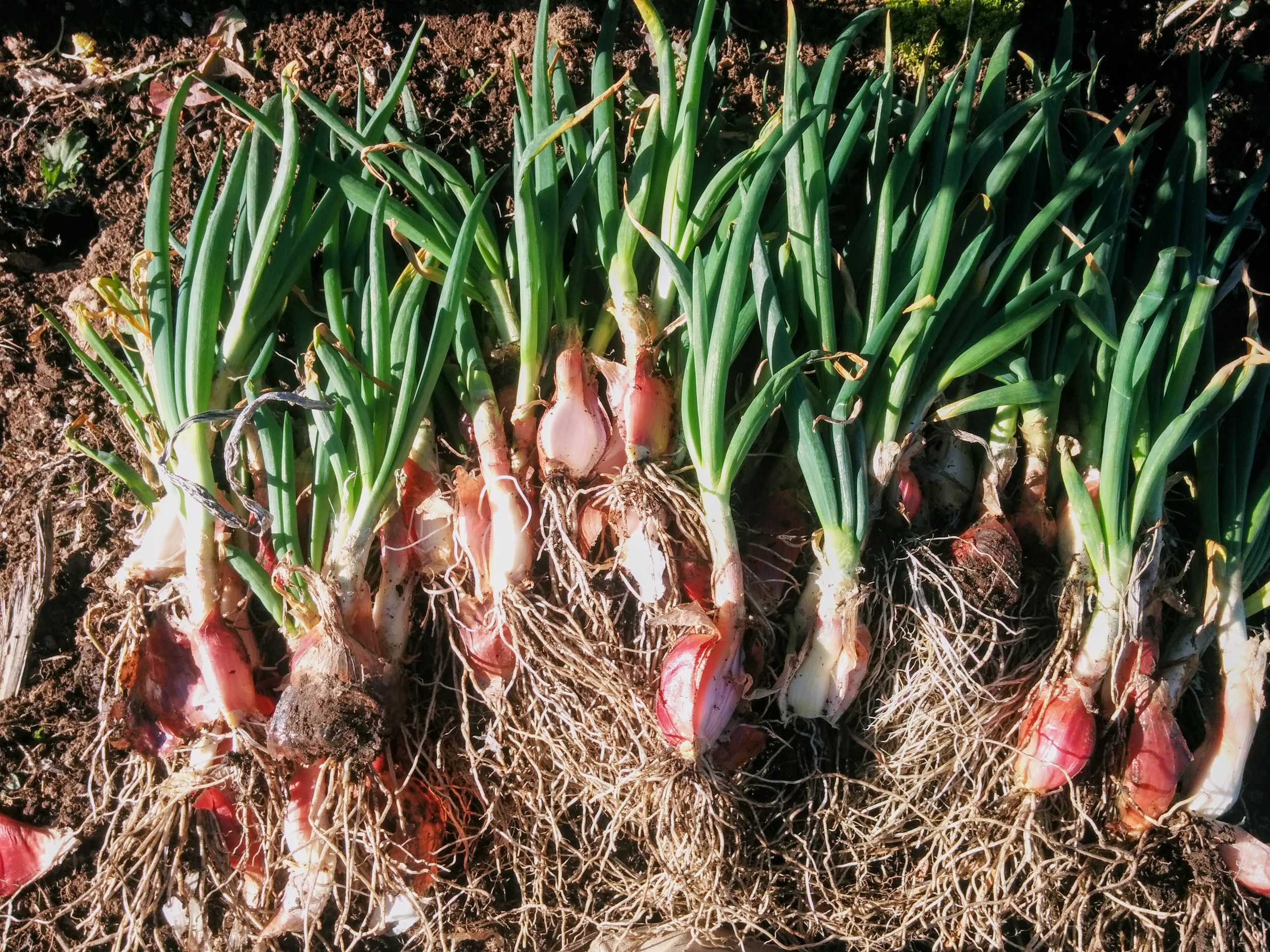
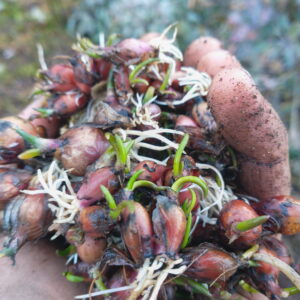
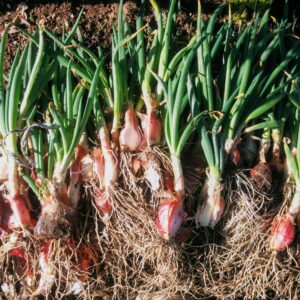
Once our walking onion patch is big enough we can start thinning them out in the fall and harvesting the bulbs from the soil. This is a great time to divide the plant and spread it out. And then we bring some bulbs into the kitchen. They are shallot sized and cook and taste similar to any bulb onion. Once peeled, we cook them as we would cook shallots and they taste great!
Our Egyptian walking onions are unique in that many of them are genetically distinct. In other words they are not all clones of the same plant. Once upon a time I noticed a walking onion flowering in my mentor’s garden. This was really rare, because most walking onions do not make seed, they only make aerial bulbils. I gathered the seeds and saved them. Once we started homesteading in 2018 I sowed some seeds every year until 2024 when I ran out of seeds. I planted the seedlings and they make up our walking onion patch today.
We are excited to share our walking onion bulbils with you! We wish you abundant onions for years to come.
Details
Lifecycle: Perennial
Lifespan: Indefinitely with cultivation
Hardiness zones: 4-10 (USDA), maybe down to zone 3
Habitats: Not known in the wild
Plant size: 1 ft wide x 4 ft tall
Light: Full sun to part shade
Soil: All soil types, fertile soils preferred, well draining
Water: Moist soils
Seed Starting
Walking onions are typically propagated clonally. See propagation below.
Cultivation
Walking onions need weeding while they are small and delicate. I also weed our walking onions of grass and vigorous weeds once or twice a season, especially when they are regrowing in the wet season.
Like some other bulbs walking onions are pretty tough and can handle dry periods but do best with rich loamy garden soil and consistent moisture.
Otherwise, walking onions are easy to grow and will keep multiplying and making more aerial bulbils season after season with minimal care.
Egyptian walking onions make good companions with other perennials that won’t smother or out shade them. Their tall slender stalks don’t compete for lots of space and they offer a beautiful contrast to broadleaf perennial herbs.
Harvest
Walking onions offer 3 harvests: bulb, leaves and bulbils.
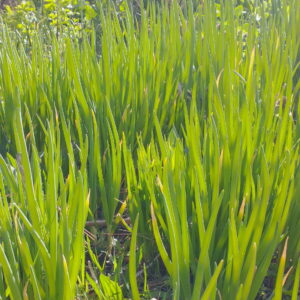
The green leaves are abundant, especially in moister and cooler conditions. For us that’s in the fall and spring. Harvest green walking onion leaves and use them as scallions in the kitchen.
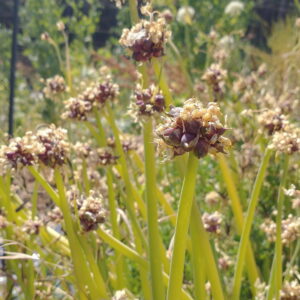
In the summer the aerial bulbils (topsets) can be harvested. Larger ones can be used like onions, but peeling is a bit tedious so we prefer to use them for making onion broth or baking and squeezing out of the paper like pearl onions.
In the late summer, early fall, you can dig up established walking onion bulbs and bring some into the kitchen. Peel and cook them like you would use shallots, which are a similar size. Be sure to replant some bulbs from each onion you harvest so they can keep growing.
Propagation
Walking onions are typically propagated asexually by division or by planting topsets.
Divide the walking onion in the fall and replant each bulb where you wish new plants to grow. Give them at least a few inches on all sides to continue bunching in the coming season(s). This is the same time you would harvest bulbs for eating, so feel free to bring some of your divided bulbs into the kitchen at this time.
Topsets or aerial bulbils appear at the top of the flower stalk in the summer. Eventually it will bend over on it’s own in the fall or winter and try to plant itself by touching the bulbils to the soil. If they make soil contact and conditions are favorable they will grow roots.
But you can help it along and choose exactly where you want your walking onions to live by harvesting and planting the aerial bulbils.
When starting walking onions from the aerial bulbils, directly plant the bulbils in the soil in the fall or early spring as soon as the soil is workable. You can separate the bulbils from their cluster to get more plants, or you can plant the whole cluster like it would do naturally. Just cover the bulbils with soil so that the tip of the bulbils are poking out.
With moist conditions, if the bulbils are left directly on the soil, they will grow roots, but covering them with some soil gives them more chance to thrive.
Seed Saving
Most walking onions don’t make seeds. Instead they put their energy into making aerial bulbils. There are a few flowers appearing between the bulbils but they usually don’t make any seeds. Instead of harvesting seeds, you can harvest the top sets in the summer when the flower stalk starts turning yellow. Cure the topsets like you would cure onions and then store them until you want to plant or eat them. In our conditions they last until spring until they are sprouting.



100% germination!