Homesteading In War Culture
How does it feel to live and homestead in war culture?
Dear readers, this article is a degree more somber than my usual writing, but it feels important to talk about this elephant in the room. It feels important to take a look at this side of our culture, while we steer and design our lives, our homesteading lifestyles. While we co-create the culture of tomorrow.
The word “homestead” has roots in Old English, but it was also used by the United States government in the Homestead Act of 1862, when people were encouraged to find and settle 160 acres of “open” land.
This was following the Doctrine of Discovery, a 15th century law that said European colonists could claim land that was inhabited by indigenous folks. The indigenous people of Turtle Island (aka North America) did not want the land they had tended for thousands of years taken by the colonists, so this resulted in murders, battles and wars.
Forcefully settling this country through the Doctrine of Discovery and the Homestead Act resulted in displacement, torture, abuse, death and genocide of massive numbers of indigenous people who lived here first. It was brutal, hateful, racist, ignorant and selfish.
This is war culture.
Settling this land through force is one of our country’s biggest shadows, because not enough people are shining light on the fact that this brutal history still very much influences and lives on in the blood of our culture today.
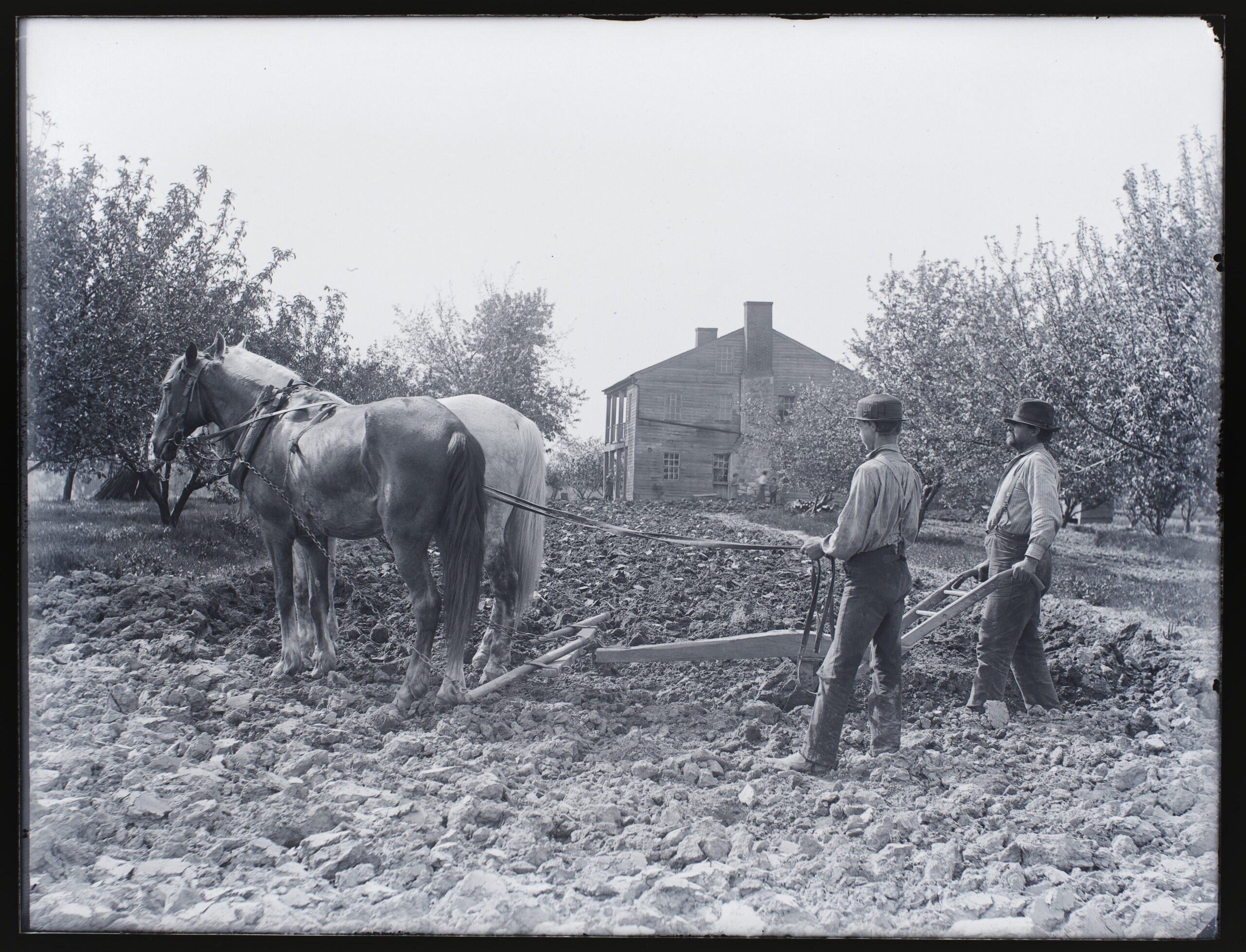
Homesteaders of the 1800’s got their cheap land and their freedom to homestead or farm independently. Good on them, but it cost the indigenous peoples of Turtle Island, and it cost the heart of our collective culture.
Genocide is foundational in American culture. How could our country exist as we know it today, without genocide? These days, while physical war is normally not on our country’s soil, it is normalized, expected and business as usual.
When I say I am “homesteading”, I am always reminded that it carries the heavy weight of genocide with it. I am also reminded that I am a visitor on this land.
I think about this every day.

So, then why do I still call myself a homesteader? Why is “Homestead” foundational in our brand name and voice? Before I answer those questions I’ll admit…
To be honest, I benefit from the genocide that happened in the 1800’s out west. Today our family can “own” this piece of land in Oregon and pursue a modern homesteading lifestyle.
But that benefit comes with a cost, because I also suffer, to live in this war culture. To this day, our culture values competition and force, while the natural way, Mother Earth’s way of cooperation and generosity is more often seen as weak, as losing.
My heart grieves for the countless lives who were taken and who suffered so that others could have resources, power and land. My heart grieves for the beautiful land that settlers and speculators plowed, mined and extracted over and over again.
So why do I call myself a homesteader? This imperfect word does describe what our family is doing: We are tending soil and plants, putting roots down and thinking multigenerationally.

We are not settling “new” land like the homesteaders of the 1800s. In this modern day we are not directly implicated in genocide, abuse and displacement. No, that has already happened on this land and the patterns, values and cultural trauma that came along with those actions are now baked into our culture.
We live, breathe and eat war culture to this day.
But nothing is permanent.
What does it mean to stop contributing to war culture?
If you are still reading, it means you are asking this question with me and I thank you for it. Because you have the courage to look at the hard truths and ask these questions that matter so much.
If we are going to ask these difficult questions, we really have to do it together, because no single person can hold all the answers. It’s only together that we can shape our shared future.
Holding others separate is what feeds war culture.
Homestead Culture represents not an endpoint, but a journey. A wayfinding path. One of many. Having “Culture” in our name reminds us that we have influence on those around us, and with influence comes responsibility.
Like life and everything in the natural world, culture is shifting, moving, breathing, transforming.
I look at the values that war culture uplifts today, that continue to cause trauma and violence, not just physically, but especially on emotional and spiritual levels. Heart levels.
And then I look at the values I want to see our culture embrace, like reciprocity, generosity, love and abundance. I stand back and wonder…
How do we get from war culture to love culture?
The answer is not a straight line, as war culture would have you believe, because forcing a path results in more trauma. Instead, I am embracing the spiral of the natural healing path, the imperfection of it all, the not knowing of the right answer. Because there is no one right answer.

War culture is embedded deeply in our psyches, our language, our cultural values and our history going back centuries, having roots even thousands of years ago. This means war culture is embedded in our DNA on some level.
For me, healing the wounds I carry from living in a time of war culture starts with admitting that I am a part of that war culture, that I contribute to it in ways that I cannot even fully understand.
Is it possible to admit that I contribute to war culture without carrying shame, without blaming myself? Yes it is, and for me, embracing this beautiful irony is one of the first steps I needed to take before I could peel back more layers and heal more deeply.
I have compassion for myself.
I do not blame myself, because I was born into a war culture. I don’t blame myself that war culture is all I knew growing up. Really. Literally. We boys were playing soldiers and pretending to shoot everything we saw and imagined. Every stick looked like a gun and every person was a target.
It’s all fun and games, right?
Violence in movies is just for fun and entertainment, right?
It’s so understandable, even if I don’t agree with it. In my heart, it all make perfect sense, because I know what it feels like to enjoy holding power, and I know what it feels like to hold someone else down, to hurt someone for my own gain, however subtle my action or words may be.
I don’t even blame the people that hold the most power and authority and who abuse their influence, because they were also born into war culture and they learned to play the game at a young age.
Instead of blaming, I take it upon myself to hold myself responsible. I’ve come this far, and my eyes have opened this much. What am I going to do with what I’ve seen?

I claim responsibility to walk a healing path with my life, so I can heal some of the wounds caused by war culture.
I claim responsibility as a father to stop perpetuating some cultural trauma where I can manage, while being compassionate and loving myself for being brave enough to admit all the work that’s still ahead of me.
I claim responsibility as someone who calls himself a homesteader, to acknowledge and talk about the history of violence and genocide that comes with homesteading, and frankly with America.
And also, I am overjoyed and filled with love for the beauty that surrounds me…
There is so much beauty everywhere. I believe we all have a right to a joy filled life. We all have a right to feel a much deeper connection to the natural world all around and inside of us, to feel nourished and welcomed by the world around us. These are human rights.
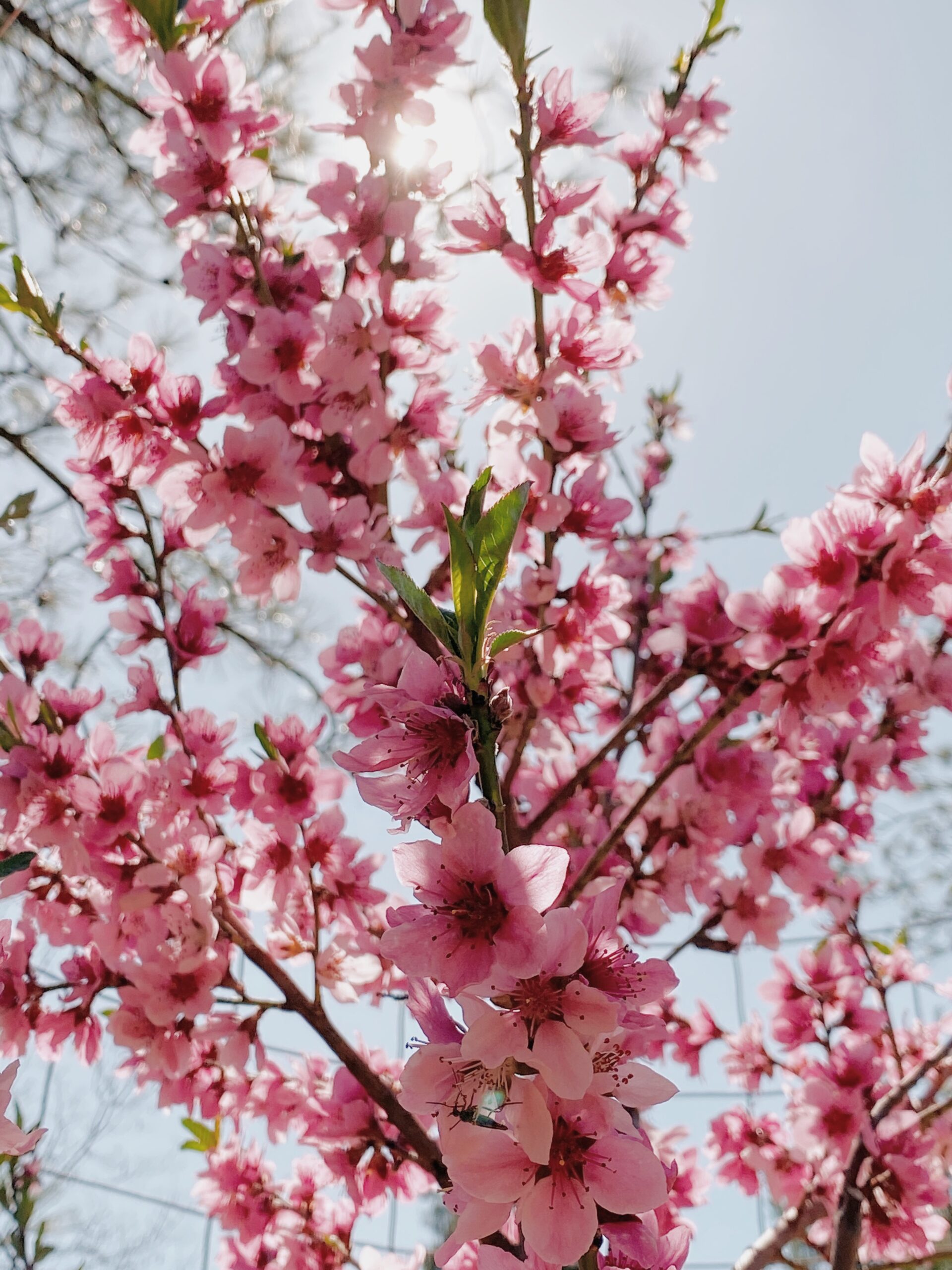
I am overjoyed that through homesteading, our family has planted an amazing garden and a young food forest. We are already growing much of our own food.
We can continue to maintain the garden and we can coast on the tails of our labor and enjoy the abundance that permaculture promises. And we are enjoying the abundance that has come our way. As a family, we are already this much more resilient and nourished thanks to the soil that we are lucky to tend.
But culturally—there is still so much work to be done.
We still have so much to learn about connecting with Mother Earth and each other. And really, we can’t do that if we are only alone on a homestead by ourselves, siloed in nuclear family units.
That’s why Homestead Culture is here. This brand represents an ongoing exploration to see how we can live in a modern world, be financially relevant, walk a healing path, find joy, and still hold true to our ethics and values, while contributing to a healthier culture for future generations.
We can heal in our gardens by tending the soil and the beautiful plants, and we can also heal by having these difficult conversations. We can heal in community by redefining together what it means to be human in this time.
These conversations are often inconvenient and uncomfortable, but with some love, compassion and grace, they can lead to healing, joy, connection and nourishment. And you are invited to join us in community, in conversation, in healing and in joy.
Thank you for reading these heart words, dear reader. I appreciate you.
Recommended Reading
- What is Homestead Culture?
- I am an Imperfect, Impure Gardener
- Homestead for Deep Connection, to Thrive
- A Guiding Ethos to Live and Work By
2 responses to “Homesteading In War Culture”

There is so much respect in this writing. Thank you. 🙏🏼
Jess, I appreciate you taking the time to reply and reciprocate. I appreciate your care and attention towards these difficult conversations. I wish you a beauty filled day.







Share Your Thoughts