Seed Saving, Joy, and the Stories Hidden in Every Seed with Homestead-ish
I was just interviewed by the good folks at Homestead-ish Podcast. I’m very honored, because Kristin & Devon are doing amazing work not only sharing homesteading skills, but having conversations around what it means to be a homesteader in today’s day & age. While the podcast is only in it’s second season, I’ve quickly come to love Homestead-ish. I highly recommend checking out their show (and subscribing) for some thought provoking, encouraging and relatable conversations.
Devon and Kristin’s summary of our interview:
If you’re looking for a quick list of seed-saving hacks, this probably isn’t that episode.
In a world that encourages us to consume information as quickly as possible, today’s conversation invites you to slow down.
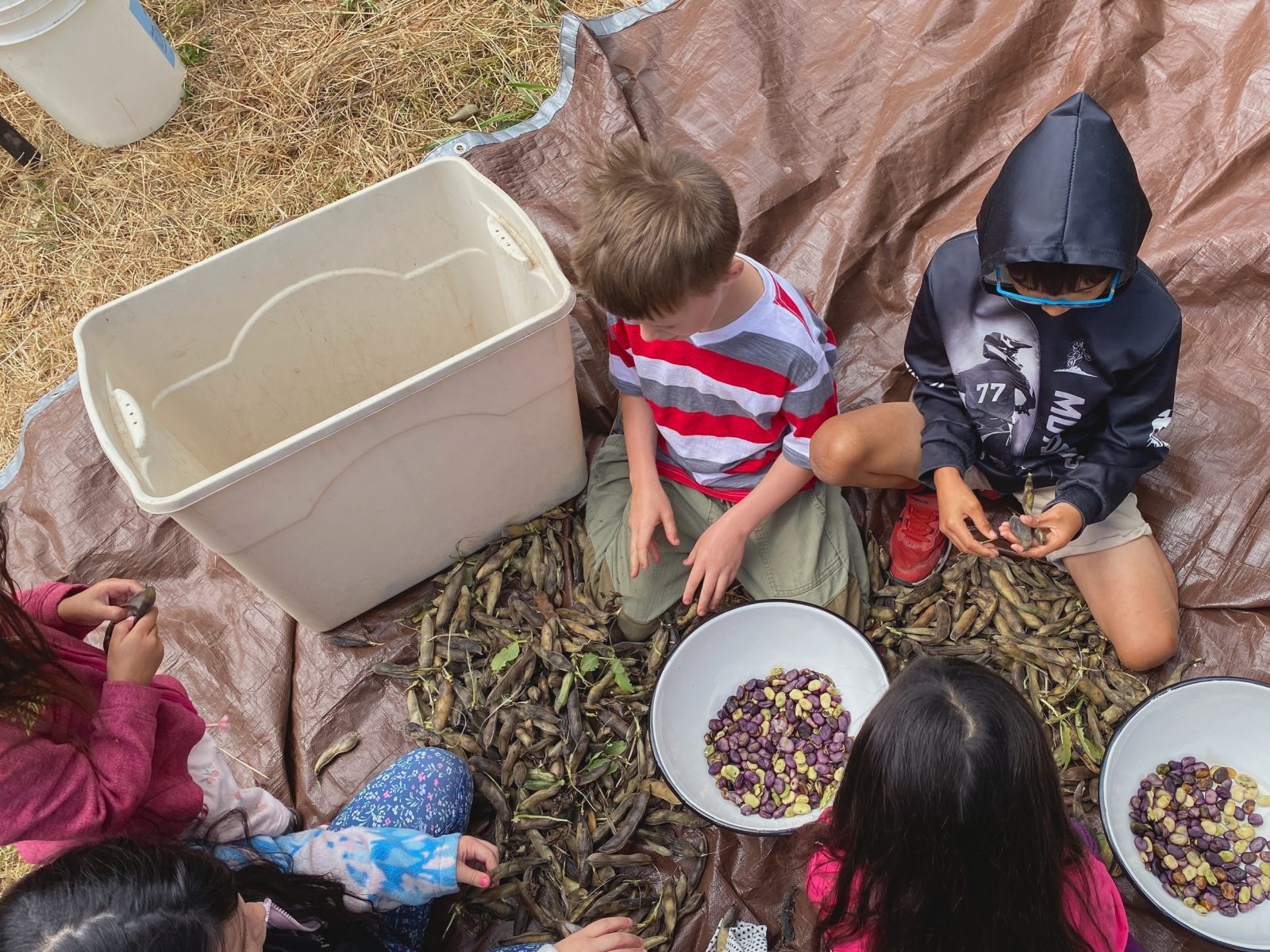
Noel of Homestead Culture joins us for a thoughtful discussion about seed saving, homesteading, and what it means to develop a deeper relationship with the plants that feed us. While you’ll definitely walk away with practical tips for saving seeds in your own garden, we hope you’ll leave with something even more valuable: a glimpse into the joy, wonder, and reverence that Noel and his family bring to this timeless practice.
Together we explore:
🌱 How Noel’s family transitioned from suburban California to a homesteading life in Southern Oregon
🌱 The story behind Homestead Culture and how a simple fascination with seeds grew into a seed-saving business
🌱 Beginner-friendly crops for new seed savers
🌱 The differences between heirloom, hybrid, and open-pollinated seeds
🌱 Common seed-saving mistakes and how to avoid them
🌱 Finding joy, abundance, and connection through homesteading
This episode is a reminder that some knowledge can’t be rushed. Like a good meal, a thriving garden, or a season spent tending plants, some conversations are meant to be savored.
Whether you’re an experienced gardener or have never saved a seed in your life, we think you’ll enjoy spending an hour in Noel’s world.
Seed Saving, Joy, and the Stories Hidden in Every Seed with Noel of Homestead Culture, Homestead-ish Podcast
Here’s an excerpt from the conversation…
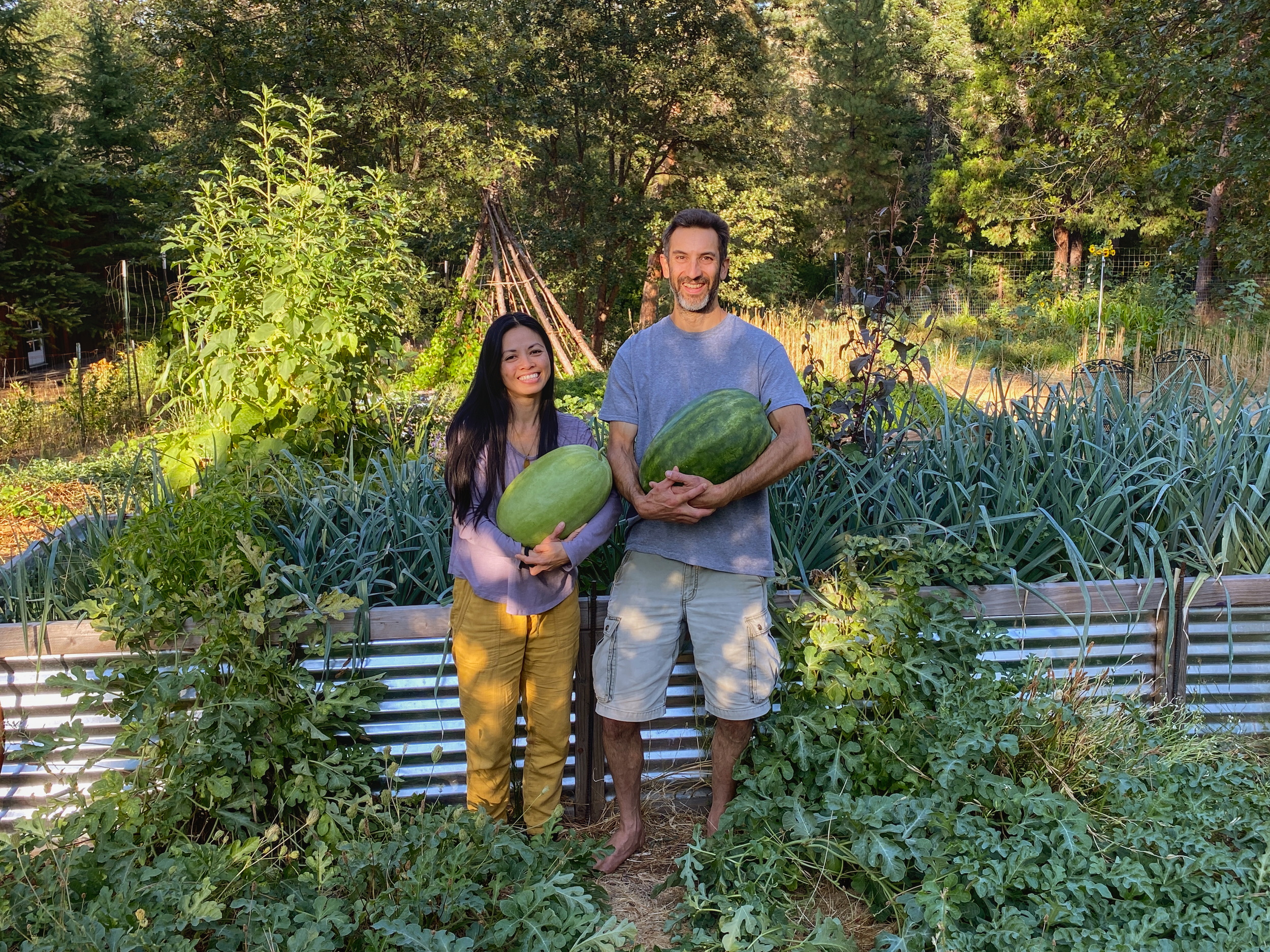
One kale plant can produce thousands of seeds. And it’s like: What are we going to do? Because next year, I might only need 10 kale plants or whatever. If we eat a lot, maybe it’s going to be 30 kale plants. If we have a big family—everybody’s going to have a different number.
But thousands of seeds—what are we going to do with all of that?
It’s almost like we have to share it or we have to grow more plants than we need. Or we have to eat some of the seeds or we have to share some with wildlife.
Because seed saving—I always find it so weird that the term seed saving has the word save in it. At least from my perspective—sometimes I read that to mean we’re keeping seeds in storage, like in a box or in a fridge. I see that as a temporary means.
The seeds are meant to move, they’re alive, they’re meant to be planted.
More and more, we’re realizing which plants want to re-seed in our gardens. So to me, seed saving is also letting go of the seeds and allowing them to be in the soil and be in the soil seed bank. But yeah, we have to save seeds too if we want to be more resilient, or if we want our seeds to be more locally adapted over time. And we’re lucky that we can, because then we could share them, we could receive seeds from others.
The consumer aspect that you were bringing up is just it’s so hard, because it’s so hard not to be a consumer. In a way, we’re very dependent on being consumers. But I think it’s also beautiful because we’re in such a lucky time of, you know, cheap energy, even though the cost of fuel is rising. We may never see have this opportunity again in future generations.
We’re so lucky that we can bring in seeds from different parts of the world and have bring more diversity into our local seed shed. One of my personal heroes, Bill McDormand, he’s saying, “Yeah, now’s the time. We need to bring in as much diversity as we can, because we don’t know how much time we have left to be able to do that.”
I’m not trying to be super heroic about it. I just think there’s some wisdom in that. Yeah, so I don’t I don’t think consuming is necessarily bad. But there’s definitely an unhealthy side. There’s a shadow side of our culture where we do over consume. And really, it’s a disease, because we are filling a void. I definitely relate to that aspect of consumption. I’m still guilty of that and I’m not perfect in any way. I consume a lot through purchasing with my dollars. But on the other hand, I’m learning to produce more. Part of that is, is the connection with something that’s more natural than our industrial supply chains.
With plants, that’s such a beautiful thing. Because when we’re saving seeds—to be a good seed saver, we have to continue to cultivate a direct relationship with the plants.





Share Your Thoughts