
Table of Contents
Medicinal Herbs to Grow for Cold & Flu Season
As homesteaders, our family enjoys learning about herbs that can help our bodies heal. What better place to start learning about herbs than right in our garden and home?
Reliable herbs that help prevent and fight colds and flus are some of the most important herbs that our family calls on season after season. We feel safer and happier knowing we have abundant herbs on hand, both in the garden and in our medicine cabinet.
Most of the medicinal herbs we rely on are perennials and continue to reward us with medicine year after year. Saving money on herbal medicine is a big plus, but the real value is in the relationships our family cultivates with the plants directly.
Each season we feel more nourished by the plants we grow with. When we grow medicinal herbs in relationship, the healing is not only on a physical level, but it goes much deeper, because we are literally healing with the help of our green loved ones, our garden friends and family.
Please allow me to introduce some of our favorite homegrown medicinal herbs for flu and cold season.
Table of Contents
How We Chose These Medicinal Herbs
To make the cut in our family’s medicinal herbs for flu and cold list, each plant must have the following qualities:
- A mainstay each season.
- Produce abundant medicine.
- Perennials or reseed easily so we can rely on them each season.
- Grows well in less than optimal conditions.
- Attract our family’s love and adoration.
- Have other benefits outside of cold and flu season.
- Bonus points for beauty!
Finally, we offer seeds for each of these herbs for flu and cold season, because they are so good—they really need to be shared with other passionate gardeners and homesteaders!
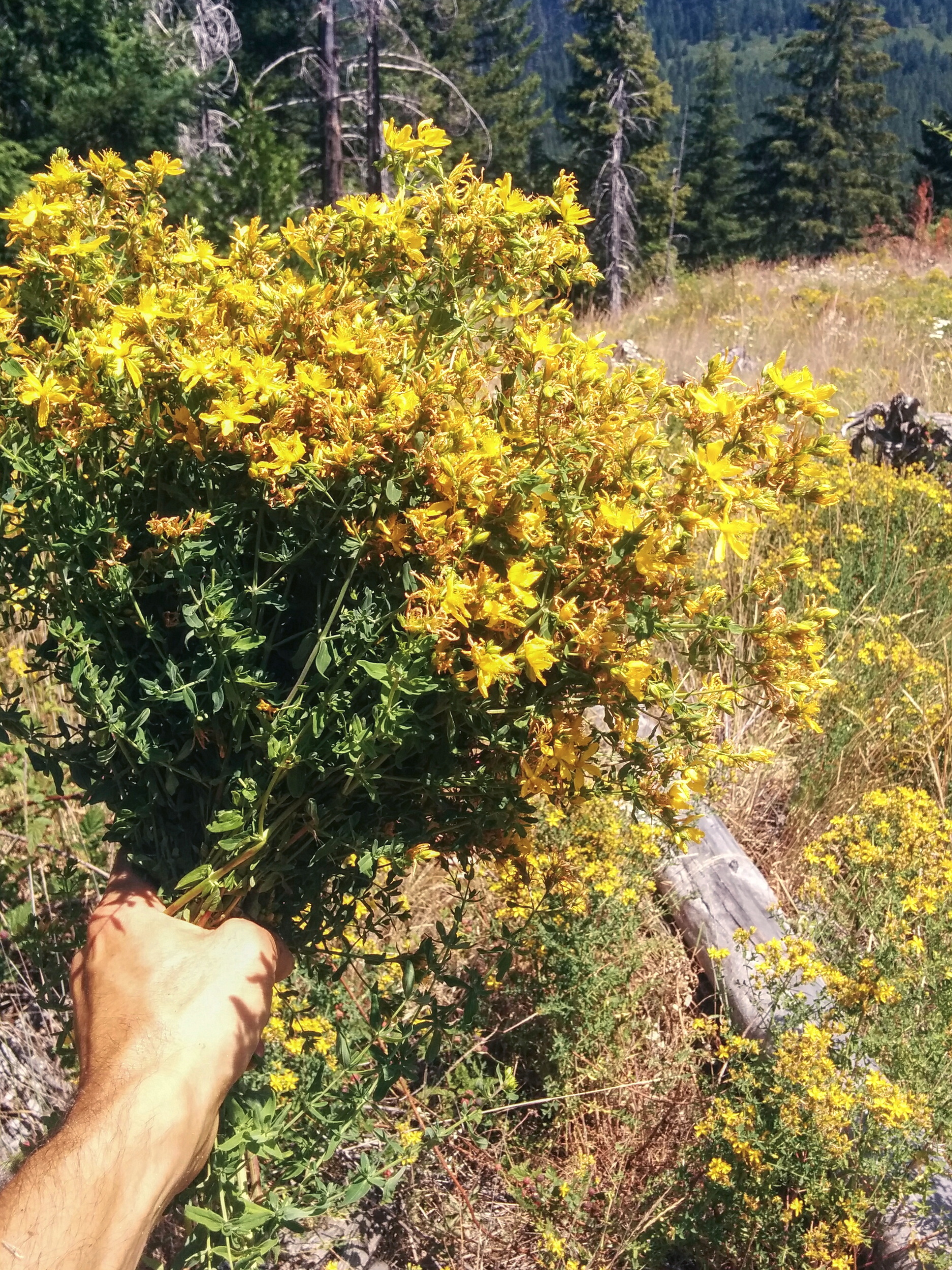
St. Joan’s / St. John’s Wort
St. Joan’s Wort, also known as St. John’s Wort, is a powerful systemic antiviral.
When it comes to colds and viral flus, tincture of St. Joan’s wort’s fresh flowering tops, is one of the first remedies our family always reaches for. We take St. Joan’s wort tincture throughout the course of a cold or flu to aid our body’s ability to fight off the virus. You can bet we were taking a lot of St. Joan’s wort during the Covid pandemic.
St. Joan’s wort has so many other, seemingly countless benefits too, for which I find myself taking or applying her medicine regularly in various preparations.
I have so much love and respect for St. Joan’s wort for all the beauty and medicine she brings into my life each season!

Blue Elderberry
Blue elderberry is our west coast native elderberry shrub. As a powerful antiviral, blue elder is one of the first herbs we think of when the first signs of a cold or flu makes its appearance.
All parts of blue elder are medicinal and we regularly use the flowers, berries, leaves and bark for medicine. Each has antiviral properties but differ a bit in their antiviral strength and use.
All parts of blue elder can be used synonymously as European and East coast native black elderberries. However, blue elderberries have a reputation for tasting better and have less toxic effects when consumed raw (It’s still advised to avoid raw consumption and cook blue elder thoroughly).
We also appreciate that while they do love moisture, our region’s blue elders are more drought tolerant than black elders and do better in less than perfect soil and moisture conditions.

Bergamot
Bergamot is a native herb to North America in the mint family. Once established a single plant can make a huge amount of flowers and leaves that can be harvested multiple times a season.
Bergamot’s volatile oils are quite strong and spicy, very similar to Greek oregano if you’re familiar. We use the leaves and flowers for tea to help our immune system fight colds.
Like most herbs, bergamot is dynamic and offers more than one kind of medicine. I appreciate bergamot as an expectorant, especially when I have mucous entering my lungs or when my lungs have phloem and need help coughing it up.
We appreciate bergamot leaves and flowers, dried or fresh in teas, infused honey and infused vinegar. We also cook with large amounts of bergamot leaves whenever a recipe calls for oregano or other Mediterranean herbs to help nourish our immune systems.

Elecampane
Elecampane’s roots are a strong antiviral, antimicrobial and antibacterial, specifically for lungs. I am reaching for prepared elecampane medicine as soon as I notice a cold or virus moving into my lungs, before it gets established, and continue to take it until my lungs are tip top again.
More and more, I am also starting to rely on elecampane anytime I have a cold and when nasal mucous or congestion and is starting to drain into my lungs, even if I don’t think it will cause problems.
Elecampane is also an expectorant and helps our lungs loosen and move phloem up and out.
Dried roots can be made into tea, but the flavor may be too strong for most modern palates. I find that tincture of the fresh root is the most convenient way to take and dose elecampane medicine. I also really enjoy 1+ year old infused elecampane root honey and elecampane syrup. Elecampane lozenges used to be quite popular as cough drops and is another great cough remedy.
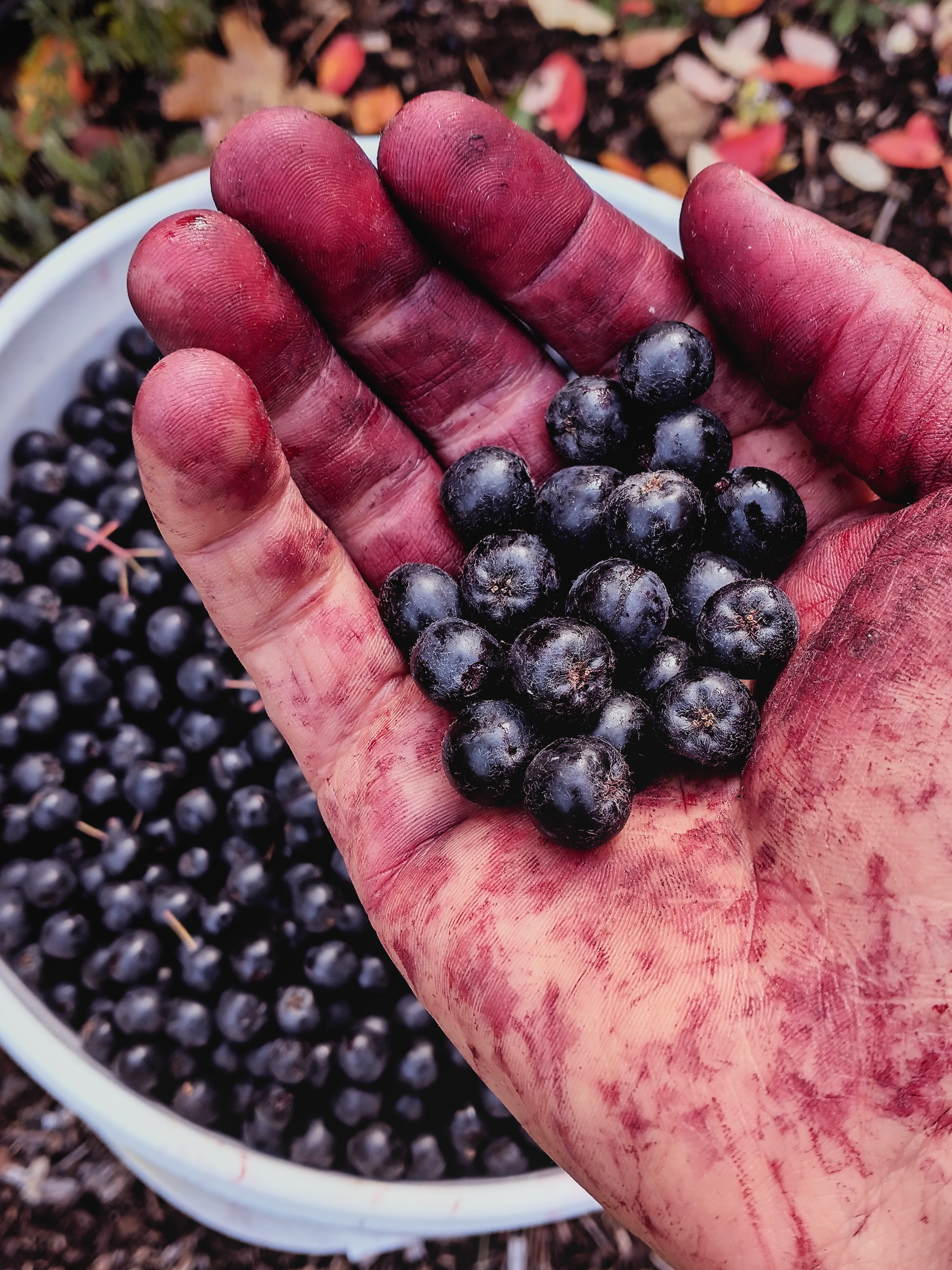
Aronia Berry
Aronia berries are a wonderful fruit for so many reasons! Aside from being easy to grow and harvest, abundant in production and very beautiful, Aronia offers loads of health benefits.
Aronia berries offer anti-inflammation and assist with cardiovascular health. They are an immune tonic, helping to improve our immune systems. Aronia is also loaded with antioxidants and has anticancer properties.
So I think of Aronia as an immune booster that offers health benefits when eaten year round. But I’m also getting some extra aronia berries in my diet come cold season to give my body some extra help!
We love aronia in jams and baked goods, syrups and wine, both savory and sweet. Follow the link below to learn tips about cooking with and preserving aronia berries.

Potato Onion
Our potato onion grex is a perennial onion that can be replanted like garlic or shallots, but also makes seeds, which ensures many onions for years to come, and even more chance that we have some onions on hand during cold and flu season!
Onions truly are food as medicine and offer delicious flavor to immune boosting soups and broths during cold season. Onions are antibacterial and can help fend off the troublesome bacteria during a cold.
Onion juice is specific to helping with ear aches and ear infections. When our son started having an ear ache in a recent cold, we immediately baked an onion cut in half and squeezed a few drops of juice in his ear to help ease his pain.
Onion juice is an expectorant and can help clear bacterial colds from the lungs. Since fresh onion juice is so pungent and tearfully strong, some preferred ways to take it, are as onion infused honey or onion syrup.

Calendula
In some European cultures, dried and stored calendula flowers were commonly added to soup pots throughout the winter to prevent sickness. That’s probably how calendula got one of it’s other common names—pot marigold.
Calendula is an immune stimulator and can help strengthen our immune system. Eaten regularly, calendula can be an immune tonic.
Calendula also has a strong action on draining the lymphatic system and can help relieve swollen lymph nodes and clear stagnant lymph infections, which can otherwise flare up and cause more problems during colds and flus when the immune system is strained.
Calendula can help stimulate sweating during fevers. Calendula eases digestion, reducing digestive inflammation, especially helpful in the winter when we are often eating heavier, richer seasonal meals.
When we have extra calendula blossoms, we like to dry them and add them to our fall and winter soups, stews and chilis. And it brings a big smile to my face to pull them out of the cupboard—the orange and yellow blossoms are stored sunshine and remind me of brighter days!
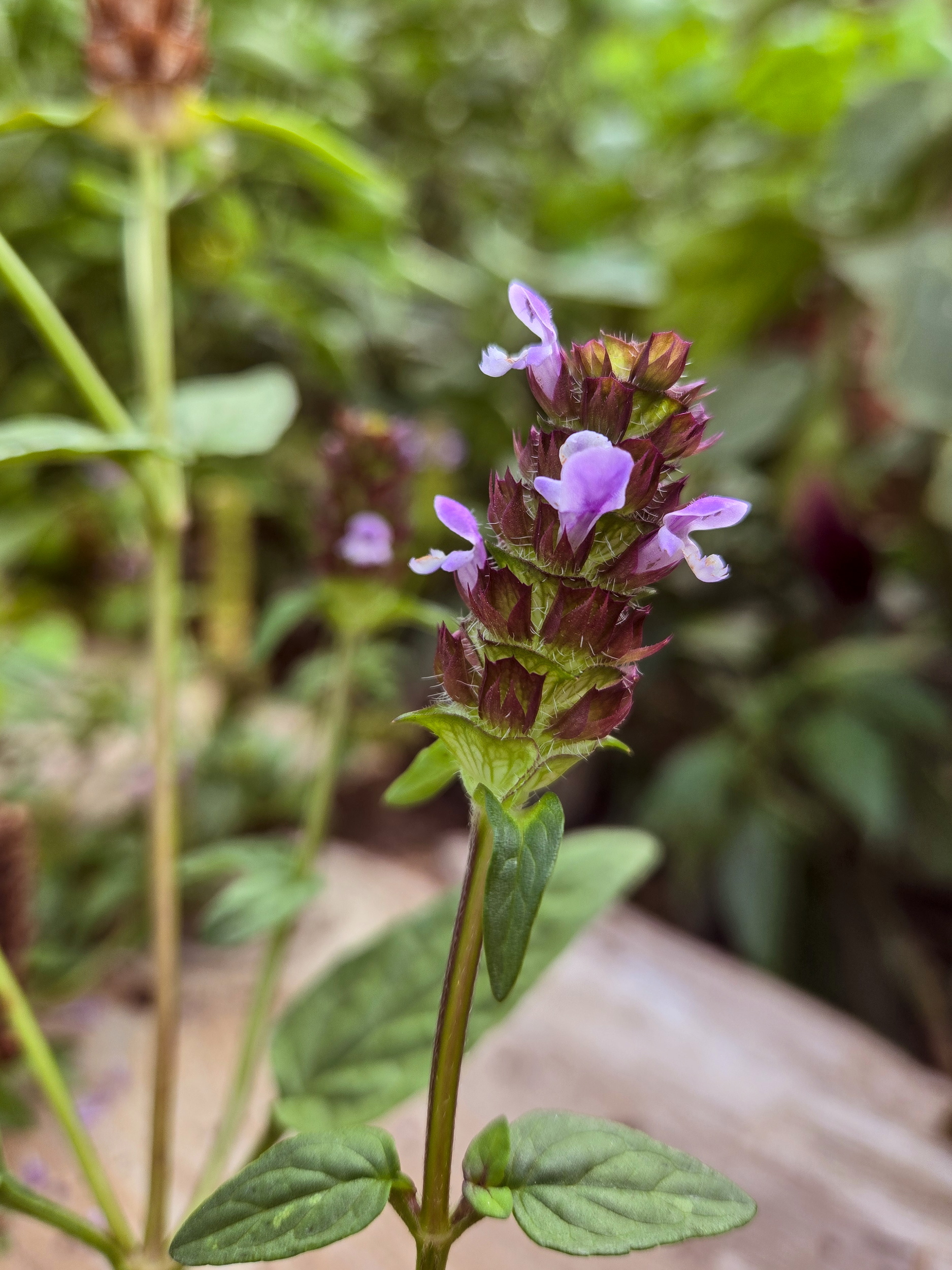
Self Heal
The more I learn about Self Heal, the more grateful I am to have this beautiful, gentle herb growing in our garden, our pathways and in the grass.
Self heal is an antiviral herb that is safe to consume on a regular basis. But don’t stop there, self heal is an immune modulator, offers antioxidants and helps reduce inflammation.
Self heal can also help prevent infections in wounds, which might be more prone to happen during colds when our immune system is more taxed.
Self heal is also known to reduce inflammation and swelling in the mouth and throat, which might offer relief during a flue. Self heal also offers lymph node support, especially with regard to the upper respiratory tract.
Self heal can also help regulate histamine responses which might be excessive during a viral infection.

Hyssop
Hyssop is another beautiful mint family herb that can be used both medicinally and culinary. The flavor of hyssop’s raw leaf lies somewhere between mint, oregano and sage. Hyssop leaf or flower tea is mild (compared to sage or oregano) and it tastes delicious.
Medicinally, hyssop is both an expectorant and helps sooth or suppress dry coughs. Hyssop can clear bronchial infections/bronchitis and helps move fevers through sweating.
Hyssop can be used in food, tea or medicine, both as a preventative or immunity booster, and as an herb to help fight colds and flus.
Hyssop’s relatively small stature and numerous bright purple flower stalks bring so much beauty to our garden pathways.

Valerian
As a pain reliever and a very strong, yet non-addictive sleep aid, our family keeps valerian handy for the worst colds and flus when we want to get a really good night’s rest. Getting solid rest can make a huge difference both in comfort, but also in our body’s ability to heal more effectively.
We enjoy drinking dried valerian root as tea (Ann especially likes valerian chai tea) and taking fresh valerian root tincture. Valerian tincture is especially fast and convenient and is easy to dose depending on if we want a little or a lot of sleep aid.
Depending how often you use valerian, chopped and dried valerian root or tincture of the fresh valerian root from one plant may last more several or more seasons.
On the other hand, we enjoy having many valerian plants in our garden for beauty and food as well as abundant medicine. It’s a good thing too, because valerian is a perennial and self seeds easily!

Mullein
Mullein is one of our favorite plants to consume regularly for its nourishing properties, but it’s also handy to have on hand during colds as specific remedies.
Mullein blossom infused oil can heal earaches and ear infections. It’s handy to keep a small jar of mullein blossom oil around, especially when young children are around (it doesn’t take much, just a drop or few at a time).
Mullein smoke is an expectorant and helps clear stuck phloem really well, as well as ease up asthma. I don’t always want smoke as an expectorant, but sometimes I prefer it, especially when expectorant teas or honeys of other herbs aren’t doing the trick.
Mullein is a nervine, especially for the spine, neck and back and can help ease chronic pain that may flair up during a cold when our immune system is weakened.
Perhaps most importantly, is mullein’s ability to nourish and strengthen our lungs over time. Having strong lungs when the flu or covid arrives is wise preventative medicine. Our family drinks mullein leaf infusions regularly, ideally weekly, in order to ensure good lung health.
While there are so many medicinal herbs in the world that can help prevent or allay colds and flus, we find it helpful to focus on a few at a time and get to know them really well. That’s why this list isn’t extensive. Instead, it’s deeply personal. We are honored to share information and firsthand stories about herbs that we know and use regularly.
Which medicinal herbs stand out to you? Are there any medicinal herbs that you love to grow and use that weren’t mentioned here? Let us know in the comments!
Recommended Reading
Learn more about Elderberry in our free homesteader’s plant profile, included in our freebie bundle. Enjoy stories, folklore, delicious medicinal recipes, learn about the different species of elder and more!
Free Seed Saving Crash Course
Up your seed saving game in our free video: Seed Saving Made Simple We designed this presentation to help you have confidence knowing how to save seeds from your garden.
4 responses to “Medicinal Herbs to Grow for Cold & Flu Season”

Thank you!!
Now I just need a few more days each week to actually sit down and get to enjoy what you are sharing.
I’m thinking I’ll have more time when the weather sets in. LOL
I hear you on that! There is so much exciting things to learn about! As gardeners and homesteaders, we can never be bored 🤣 I’m also looking forward to the seasonal lifestyle shifts ahead. We just had our first wood stove fires of the season and stews, soups & baking have commenced! 🙏
Your news letters are super helpful.
Thank you for taking the time share your knowledge!!!Hi Terry, I am really glad you are getting value from these articles! Thanks for taking a moment to stop in and share your feedback. I’m glad we can share some of we have learned over the years, because we’re all learning together! Wishing you a beautiful week ahead.








Share Your Thoughts